Airport Flight Ground Stops
FAA grounds flights at major regional airports following communications equipment failure
Anonymous
Key Points
1
The previous day’s Newark disruption was linked to equipment problems at the New York TRACON in East Garden City, while Monday’s issue involved Philadelphia TRACON.
2
The FAA did not release details about what specifically caused the Philadelphia TRACON outage.
3
Flight restrictions were extended until 11:45 a.m., with officials warning that the ground stops could last longer.
4
Flightradar24 data showed multiple aircraft lined up and waiting to depart at both Newark and Philadelphia during the outage.
5
The FAA defines TRACON as a terminal radar approach control facility that uses radar and radio communications to guide aircraft approaching and departing airports; controllers also manage aircraft during taxiing.
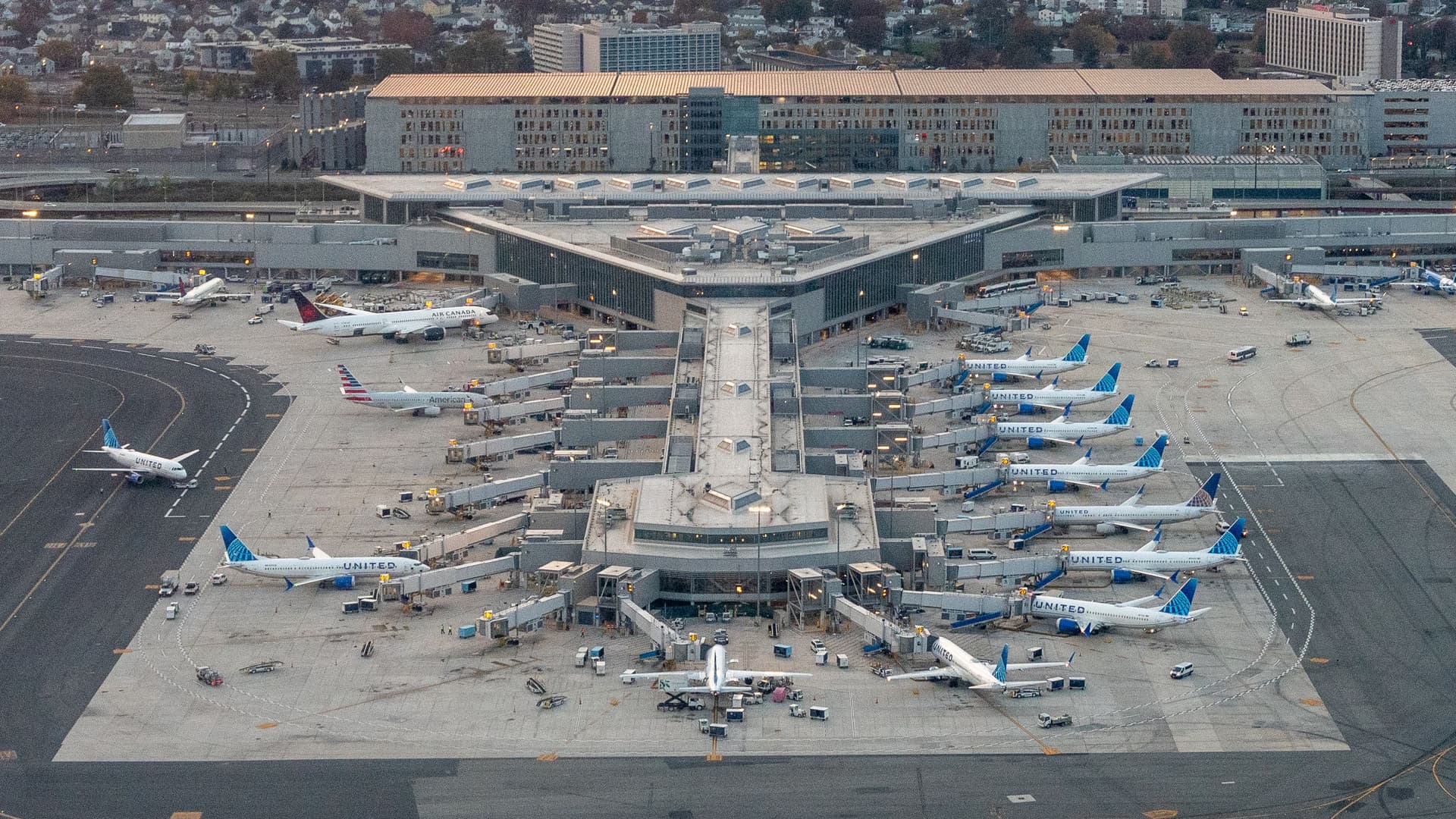
The FAA temporarily halted flights at Newark, Philadelphia, and Teterboro airports on Monday morning due to radio frequency problems at Philadelphia TRACON, the radar control facility serving the three-airport region. NBC News reported that Newark departure delays exceeded one hour, while Philadelphia also saw significant backups affecting both arriving and departing operations. The ground stop was extended into late morning as technicians worked to restore communications, leaving thousands of travelers stranded across the Northeast's busiest corridor.
This marks the second straight day of equipment failures disrupting Newark operations. Sunday's outage was traced to New York TRACON in East Garden City, but Monday's problem centered on Philadelphia TRACON's frequency systems. The Independent noted that the FAA did not disclose what specifically caused the Philadelphia equipment failure, though officials warned the ground stop could last longer than initially estimated.
How Philadelphia TRACON Controls Three Major Airports
Philadelphia TRACON is a terminal radar approach control facility that uses radar and radio frequencies to guide aircraft as they approach and leave airports. Controllers at the facility manage approaching planes, departing planes, and aircraft taxiing on the runways at Newark, Philadelphia, and Teterboro simultaneously. The consolidated setup was created in 2024 when the FAA shifted Newark's airspace control from New York TRACON to Philadelphia to bypass chronic staffing shortages in New York.
Why One Facility Failure Shut Down Three Airports
When Philadelphia TRACON's radio frequencies went down Monday morning, controllers lost their primary tool for communicating with pilots. Without clear voice contact, controllers cannot safely separate aircraft or clear them for takeoff and landing. The FAA responded by halting all operations at the three airports it controls. By early afternoon, NBC News reported that over 600 flights were delayed across Newark and Philadelphia, with average departure delays reaching 112 to 150 minutes.
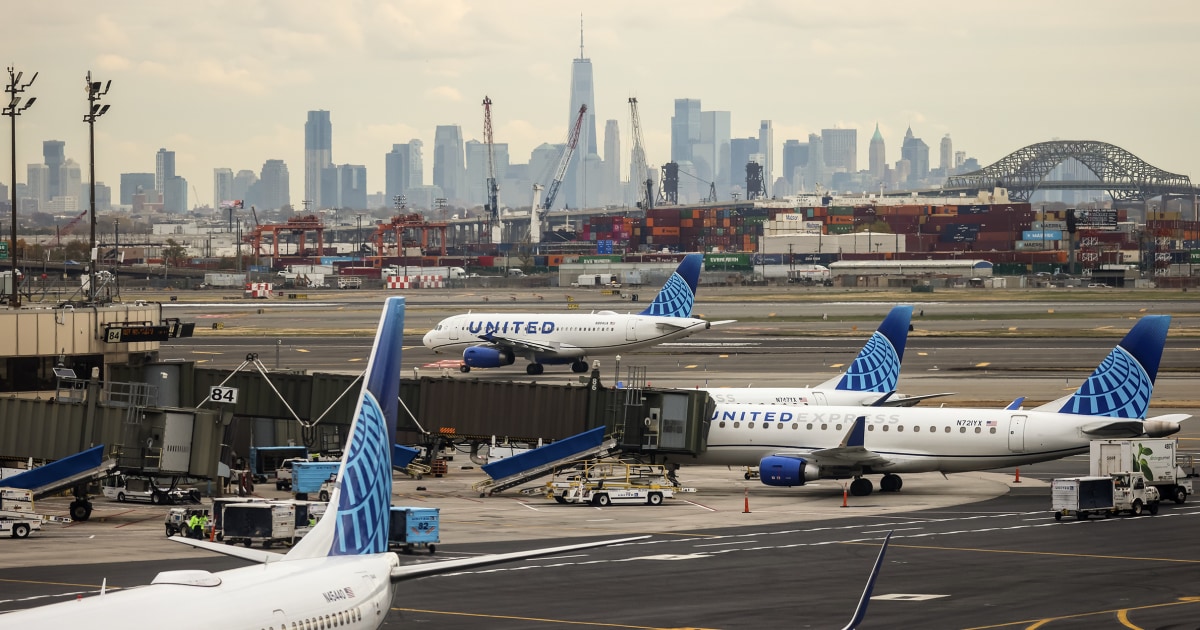
Flight tracking data showed dozens of aircraft lined up on tarmacs waiting for clearance. At least 50 inbound flights were diverted to alternative airports, while many others were canceled before departure. United Airlines, which operates a major hub at Newark, and American Airlines, which operates a hub at Philadelphia, were the hardest hit by the disruption.
Aging Infrastructure Creates Recurring Vulnerability
The back-to-back outages highlight the fragility of America's air traffic control network. Radio frequency systems at TRACON facilities rely on copper wiring and aging equipment dating back decades. Controllers depend on immediate voice contact with pilots to maintain safe separation distances — there is no backup if the primary system fails. The repeated breakdowns have intensified pressure on the FAA and Transportation Secretary Sean Duffy to accelerate modernization efforts.
The federal government has allocated $12.5 billion for a national overhaul of air traffic control infrastructure. The modernization plan calls for replacing outdated copper wiring with fiber-optic cables and 5G wireless networks. But upgrades take years to implement, leaving facilities like Philadelphia TRACON vulnerable to equipment failures in the meantime. Monday's outage underscores the cost of delays in that modernization push.
Sentiment
Mostly NegativeNEGATIVENEUTRALPOSITIVE
Publishers
315
Articles
564
Reach
879
Topics
A
AnonymousAuthor