FAA Rolls Out AI Tools to Prevent Delays
FAA Rolls Out AI Tools to Prevent Delays
Anonymous
Key Points
1
The SMART system is housed at the FAA’s Air Traffic Control System Command Center in Warrenton, Virginia, and is part of an $875 million system developed through meetings with airlines and the agency.
2
The FAA’s SMART program can analyze schedules and congestion data as far as a month ahead, but its initial deployment is limited to recommending alternatives for same-day weather delays.
3
The United States is pursuing a multi-year controller workforce plan for 2026–2028, including accelerated hiring and training, while also replacing legacy telecommunications equipment and moving more airport towers from paper-based processes to electronic systems.
4
During the recent U.K. disruption, NATS imposed air-traffic regulations to manage demand and maintain safety; passengers were advised to check directly with airlines, and those delayed may be entitled to food, drinks or overnight accommodation even though compensation is unlikely because the technical failure is considered an extraordinary circumstance.
5
Aviation resilience is being built through layered backups—including additional controllers and ramp staff, expanded training capacity, spare parts and replacement aircraft, stronger telecommunications and radar networks, and contingency procedures—though these measures create recurring costs for the industry and government.
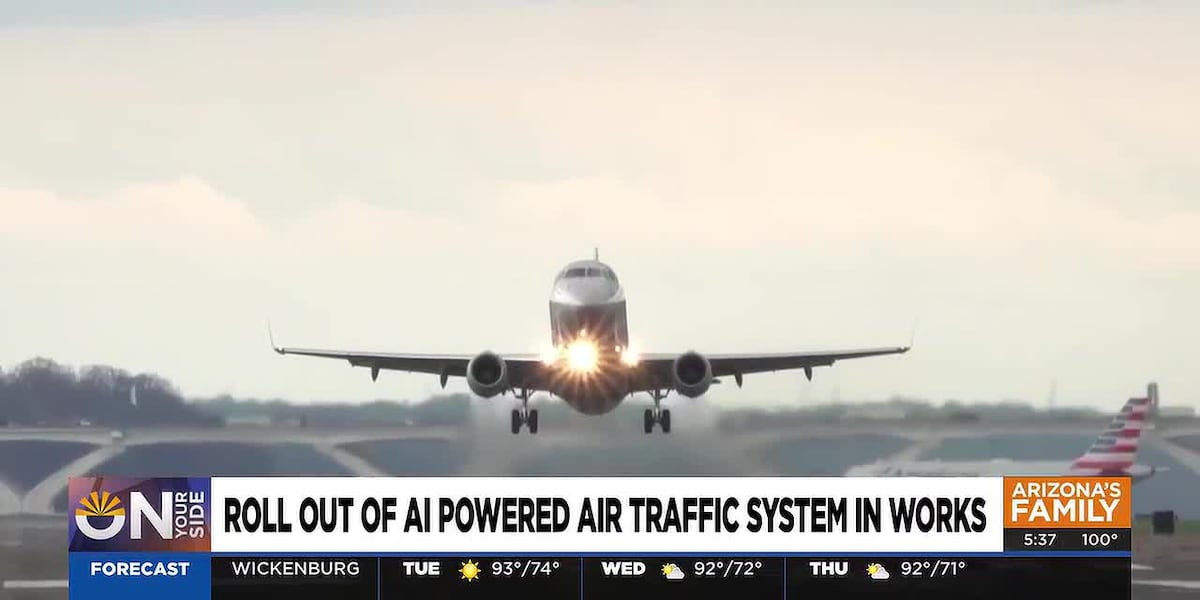
The Federal Aviation Administration is rolling out SMART, an artificial intelligence system, at Washington's three major airports to predict flight delays and suggest better routes. The Traveler reports the tool will help forecast same-day weather disruptions, but air traffic controllers will always make the final routing decisions. The system cost $875 million and was built after meetings between the FAA and airlines.
The move comes as U.S. and European aviation systems battle increasing pressure from bad weather, staff shortages, and technical failures. A recent software glitch in the United Kingdom caused widespread delays and cancellations, showing how fragile air travel networks can be. Rising passenger demand means airports need better tools to stay reliable and keep planes moving on time.
How SMART Reads Schedules One Month Ahead
The SMART system sits at the FAA's Air Traffic Control System Command Center in Warrenton, Virginia. AZFamily explains it can analyze flight schedules and congestion data up to a month in advance. Right now, the tool focuses on recommending alternative routes for same-day weather delays. It feeds real-time information to controllers, who use it to make faster routing choices without giving up control.
U.S. Rebuilding Air Traffic Control Workforce for 2026
The FAA is pursuing a multi-year hiring and training plan for air traffic controllers running through 2028. The agency aims to speed up recruitment and build larger training classes. Alongside workforce growth, the FAA is replacing old telephone and radio gear with modern telecommunications equipment. More airport control towers are moving from paper-based systems to electronic ones to reduce errors and speed decisions.
U.K. Technical Failure Shows System Vulnerability
A recent software failure in the United Kingdom disrupted flights across the country. NATS, the U.K. air navigation service, imposed air traffic rules to manage demand and keep flights safe. Passengers faced delays but were told to contact airlines directly for updates. Travelers may qualify for food, drinks, or hotel rooms, though compensation is unlikely because the crash is treated as an extraordinary circumstance beyond NATS's control.
Building Resilience Costs Money, Industry Warns
Aviation officials say real reliability requires spending on multiple backups: extra controllers and ground staff, expanded training, spare airplane parts, stronger radar and phone networks, and emergency procedures. These layers protect passengers but create ongoing costs that airlines, airports, travelers, and taxpayers all share. As passenger demand climbs, spending will need to keep pace to prevent congestion and breakdowns across the system.
Sentiment
Mostly NegativeNEGATIVENEUTRALPOSITIVE
Publishers
26
Articles
171
Reach
197
A
AnonymousAuthor