Ostrich Meat Alternative
Rising Red Meat Allergies Spark Surging Interest in Commercial Ostrich Farming
Anonymous
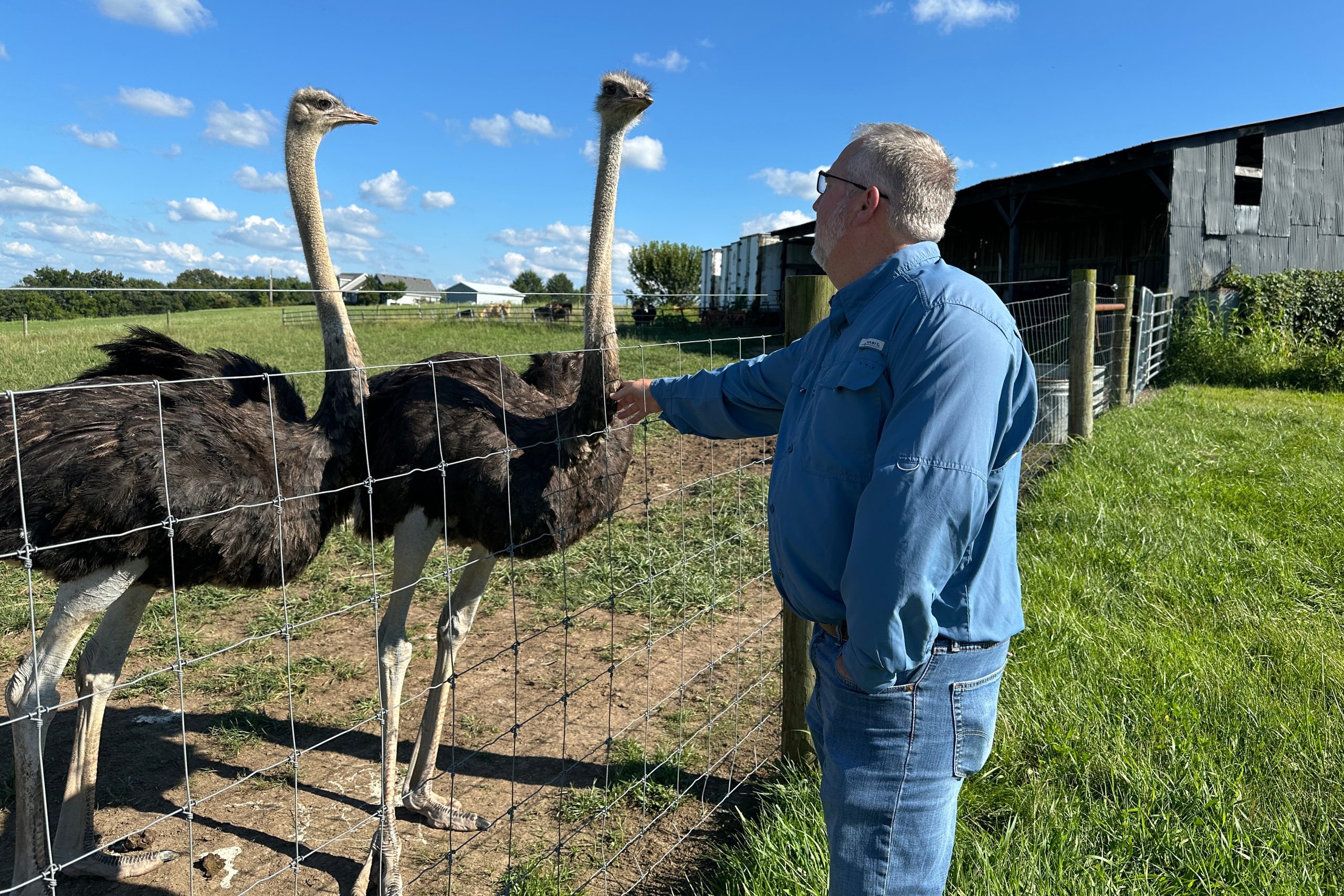
Brent Williams wanted a burger. Instead, he got a life-threatening allergy to red meat—triggered by a tick bite—and turned it into an ostrich farm. WTOP News reports that alpha-gal syndrome, which causes hives, diarrhea, and itchiness after eating red meat, has surged in the US over the past 15 years. Williams started his Kentucky farm four years ago and discovered ostrich meat tastes like beef but won't trigger his allergy.
The allergy is reshaping American agriculture. AP News reports that ostrich farming is seeing a spike in interest as more people develop alpha-gal syndrome from tick bites. Ground ostrich sells for over $20 per pound. Choice cuts fetch $40 or more. Farmers like Boyd Clark in Texas plan to expand herds by 50% next year to meet demand from people desperate to eat meat without getting sick.
A Tick Bite Changes Everything
Alpha-gal syndrome was first linked to tick bites about 15 years ago. Seattle PI says the allergy causes the immune system to attack a sugar found in red meat and some seafood. Symptoms include hives, diarrhea, and severe itchiness within hours of eating. The condition is life-threatening for some people. Cases have risen sharply as tick populations expand across the country.
Williams developed the allergy after being bitten by a lone star tick. He couldn't eat beef, pork, lamb, or venison anymore. His craving for a burger led him to research alternatives. He discovered ostrich meat was safe and tasted like the beef he missed. Four years ago, he started his farm with a simple goal: provide meat for people like himself who were stuck choosing between hunger and illness.
Ostrich Meat Tastes Like Beef Without the Allergy
Ostrich is a red meat with a beef-like flavor, but it doesn't contain the alpha-gal sugar that triggers allergic reactions. Lancaster Online reports that the allergy affects a specific carbohydrate found in mammals. Ostrich and poultry bypass this problem entirely. For people with alpha-gal syndrome, ostrich offers what seemed impossible: a satisfying, restaurant-quality burger.
Prices remain steep. Ground ostrich costs over $20 per pound. Premium cuts sell for $40 or more. Despite the cost, demand is growing fast. People who have lived for years without eating red meat see it as worth the price. The business model is simple: provide what the mainstream meat industry cannot—a safe burger for the allergic.
Farmers Scale Up to Meet Rising Demand
Boyd Clark runs an ostrich farm in Texas with about 1,200 birds. Houston Chronicle reports he plans to increase his herd by 50% next year. Other farmers are watching closely. The alpha-gal allergy is creating a niche market that didn't exist a decade ago. As tick-borne infections spread, the demand for safe red meat alternatives is only growing.
The boom reflects a broader shift in American agriculture driven by health crises. Farmers who once raised cattle now consider ostriches. Supply chains are forming. Processing facilities are being built. What started as one man's desperate search for a burger has become a real industry. For thousands of people with alpha-gal syndrome, ostrich farming represents not just a meal—it's a second chance at normal eating.
Sentiment
NeutralNEGATIVENEUTRALPOSITIVE
Publishers
16
Articles
15
Reach
16
A
AnonymousAuthor


