Local Farms Thrive
Michigan Cyclospora Outbreak Boosts Sales for Small Urban Farms as Consumers Seek Safe Produce
Anonymous
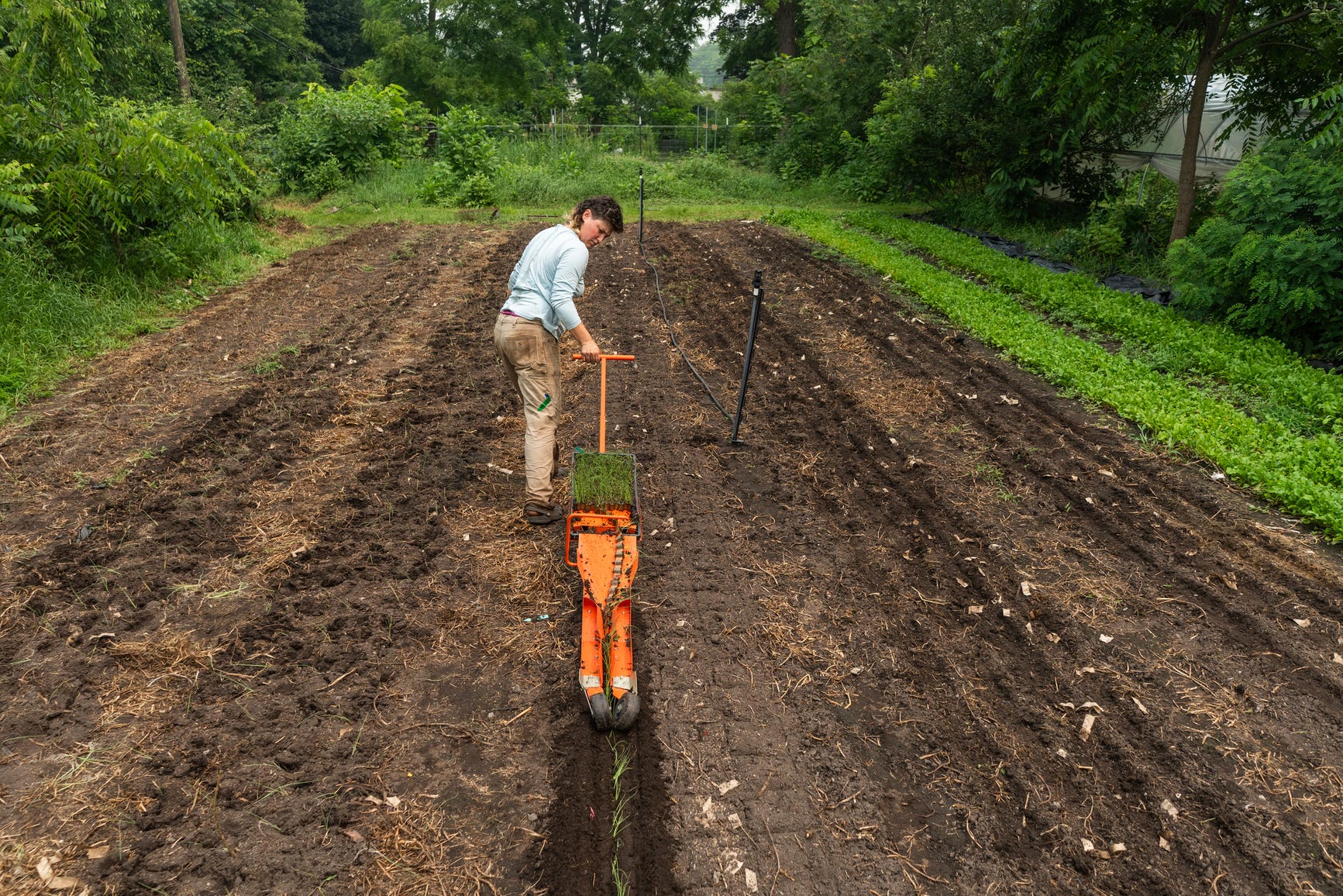
A cyclospora outbreak has made Michigan the worst-hit state in the U.S., with 5,002 cases reported, according to Crossroads Today. The FDA has narrowed its investigation to one major grower linked to Taco Bell locations across Indiana, Kentucky, Michigan, Ohio, and West Virginia.
But the crisis has created an unexpected winner: small, local farms. As worried shoppers search for safer produce, farm stands and urban growers in metro Detroit are seeing a surge in sales, Rapid City Journal reports.
Michigan Leads Nation in Cyclospora Cases
Cyclosporiasis is an intestinal illness caused by a microscopic parasite called Cyclospora cayetanensis. It spreads when people eat food or drink water contaminated with infected feces. The FDA has traced the current outbreak to a single large grower supplying Taco Bell restaurants in five Midwest and Appalachian states, according to Crossroads Today.
Michigan's 5,002 confirmed cases put it far ahead of other states in the outbreak. Health officials have not yet issued a formal recall, but the investigation is actively ongoing. The concentration of cases in states where the suspect Taco Bell locations operate has helped investigators narrow their focus.
Detroit's Small Farms See 20–30% Sales Jump
At Beaverland Farms, a three-acre urban farm in Detroit's Brightmoor neighborhood, lead farmer Brittney Rooney says sales have jumped 20% to 30% since the outbreak began, according to Crossroads Today. Shoppers are actively looking for local, traceable produce they can trust.
Detroit's Eastern Market and other local farm stands are also reporting increased traffic, Pantagraph reports. Customers are asking more questions about where food comes from and how it is grown. That shift in consumer behavior is driving real revenue gains for small producers.
Why Small Farms Are Seen as Safer Sources
Rooney says the science behind how cyclospora spreads helps explain why small, local farms are lower risk. Large commercial supply chains move produce across many states and through many hands. That scale makes contamination harder to detect and easier to spread, she explained to Crossroads Today.
Small, community-centered farms have shorter, more transparent supply chains. Farmers know exactly where their water comes from and how their fields are managed. That traceability is a selling point that shoppers are now actively seeking out, according to Buffalo News.
A Silver Lining for Local Agriculture Advocates
Local food advocates have long argued that shorter supply chains reduce food safety risks. The cyclospora outbreak is putting that argument in front of a much wider audience. Farm stand operators say some new customers have told them directly that the outbreak pushed them to shop local for the first time, La Crosse Tribune reports.
Whether the sales bump lasts beyond the outbreak remains to be seen. But farmers like Rooney see it as a chance to build long-term customer relationships. "Small, community-centered farms are more reliable sources," Rooney told Crossroads Today, pointing to the outbreak as proof that food system transparency matters.
Sentiment
NeutralNEGATIVENEUTRALPOSITIVE
Publishers
11
Articles
10
Reach
11
A
AnonymousAuthor


