Green Lights for Speed Control
Albuquerque traffic safety strategy rewards good drivers with green lights to reduce crashes
Anonymous
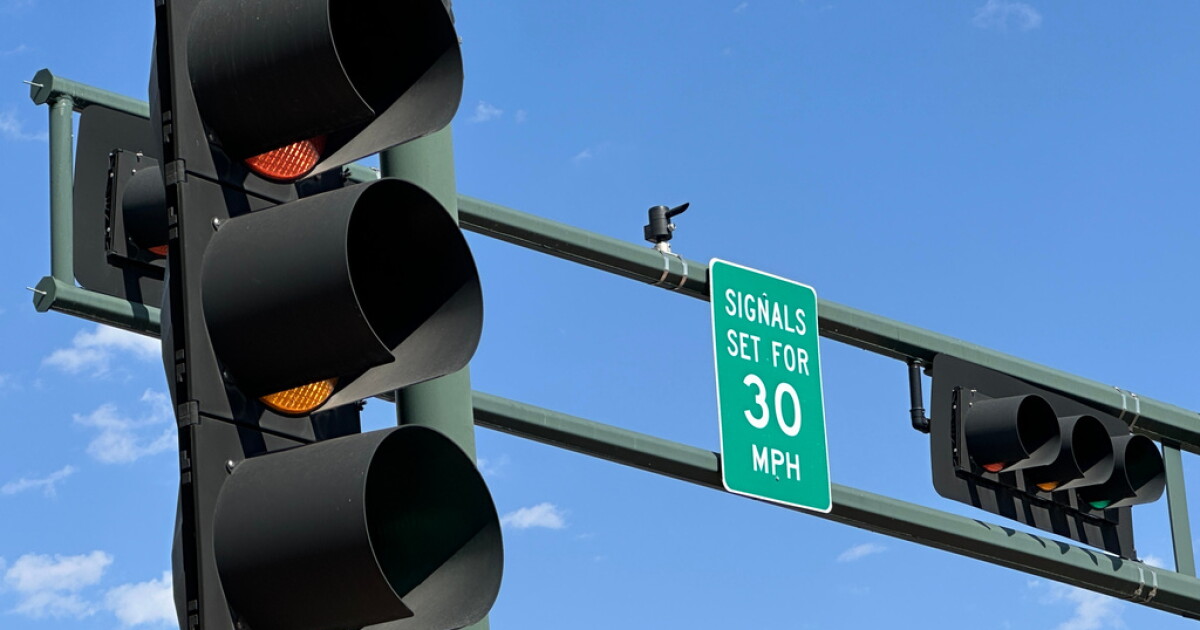
Albuquerque, New Mexico is using a simple trick to stop speeding drivers: reward those who slow down. The city installed speed sensors on a busy residential corridor that grant faster green lights to drivers traveling at or below the posted speed limit. KTVQ reports the strategy has cut high-speed crashes significantly. The approach, called "rest in red," defaults traffic signals to red until a vehicle arrives, then rewards safe driving with quicker passage.
Portland recently adopted the same concept on a state highway with a history of crashes and deaths. But some driving advocates worry the system could backfire and create unintended problems on the road.
How Albuquerque's Speed Reward System Works
Speed sensors detect how fast cars are moving as they approach intersections. Drivers staying at or under the speed limit trigger an earlier green light. NewsChannel 5 explains that drivers exceeding the limit get normal signal timing instead. This creates a direct incentive: slow down and get through faster.
The system targets a key safety problem: high-speed crashes in residential areas. By rewarding safe speeds, the city attacks speeding at its root. Drivers benefit immediately when they follow the rules. It's simple psychology—make the safe choice the convenient choice.
Portland's Late-Night Safety Experiment
Portland rolled out "rest in red" during late-night hours on a busy state highway. KXLF reports the road had a serious crash problem, including fatal accidents. The night shift offered an ideal testing ground since traffic is lighter and collisions tend to be more severe when they do happen.
The idea is the same: default to red, then react to approaching vehicles. But Portland chose to pilot the concept only after dark, limiting exposure while monitoring results. This cautious approach lets officials gather data before expanding the system.
Driving Advocates Raise Concerns About Unintended Effects
Not everyone supports the system. ABC15 notes that Jay Beeber, chief government affairs and policy officer for the National Motorists Association, expressed concern over potential negative consequences. Critics worry the technology could confuse drivers or create new problems.
Questions remain unanswered: Could the reward system encourage drivers to brake suddenly? Might impatient drivers game the system? Will it work in heavy traffic? These unknowns explain why some safety experts want more evidence before rolling it out everywhere.
Sentiment
NeutralNEGATIVENEUTRALPOSITIVE
Publishers
11
Articles
10
Reach
11
A
AnonymousAuthor