Higher 2027 Inflation Forecast
ECB raises its 2027 inflation forecast following an energy shock linked to geopolitical conflict.
Anonymous
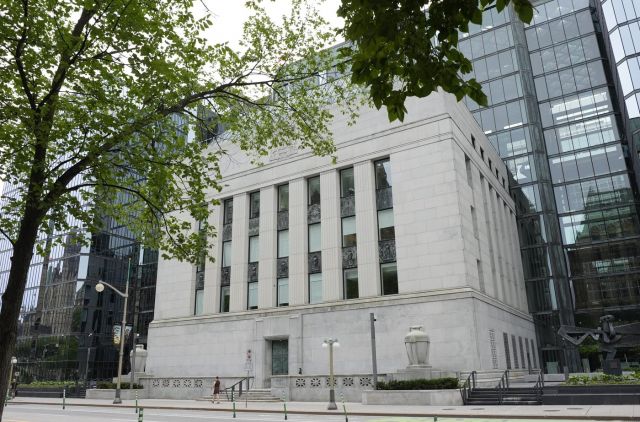
ECB President Christine Lagarde said the bank will take a measured, data-dependent approach to inflation, which has risen above 3% largely because of the energy shock linked to the US-Iran conflict. September projections put inflation at 2.5% in 2027 and 2.1% in 2028, higher than forecast in June, while the ECB says it has not yet seen energy costs spreading materially into wages or becoming embedded in underlying inflation. The bank views the shock as too large to ignore but says a more forceful response would depend on clearer signs of persistent price pressures. Lagarde also noted that rising long-term bond yields are already tightening financial conditions and could restrain growth and limit the pass-through of energy costs. She described the euro-zone economy as broadly resilient, with manufacturing and employment holding up, even as uncertainty and inflation risks remain elevated.
Key Points
1
August headline inflation rose from 2.9% to 3.2%, while inflation excluding energy and food edged down to 2.4%; compensation per employee also slowed, from 3.6% to 3.3% in the second quarter.
2
Markets were pricing in as many as four additional rate hikes over the following year, but economists cited in the report expected the ECB to hold at its October 29 meeting and consider a hike in December, when new projections were due.
3
Lagarde said growth was broad-based across most countries and sectors and was expected to remain so in the third quarter. She also said the employment effects of major technological advances, including AI, remained uncertain.
4
The September projections put core inflation—excluding volatile energy and food prices—at 2.5% in 2026, 2.6% in 2027 and 2.3% in 2028.
Sentiment
Mostly PositiveNEGATIVENEUTRALPOSITIVE
Publishers
18
Articles
138
Reach
156
A
AnonymousAuthor


