Fed Raises Benchmark Rate to 3.75%-4%
Fed Raises Benchmark Rate to 3.75%-4%
Anonymous

Key Points
1
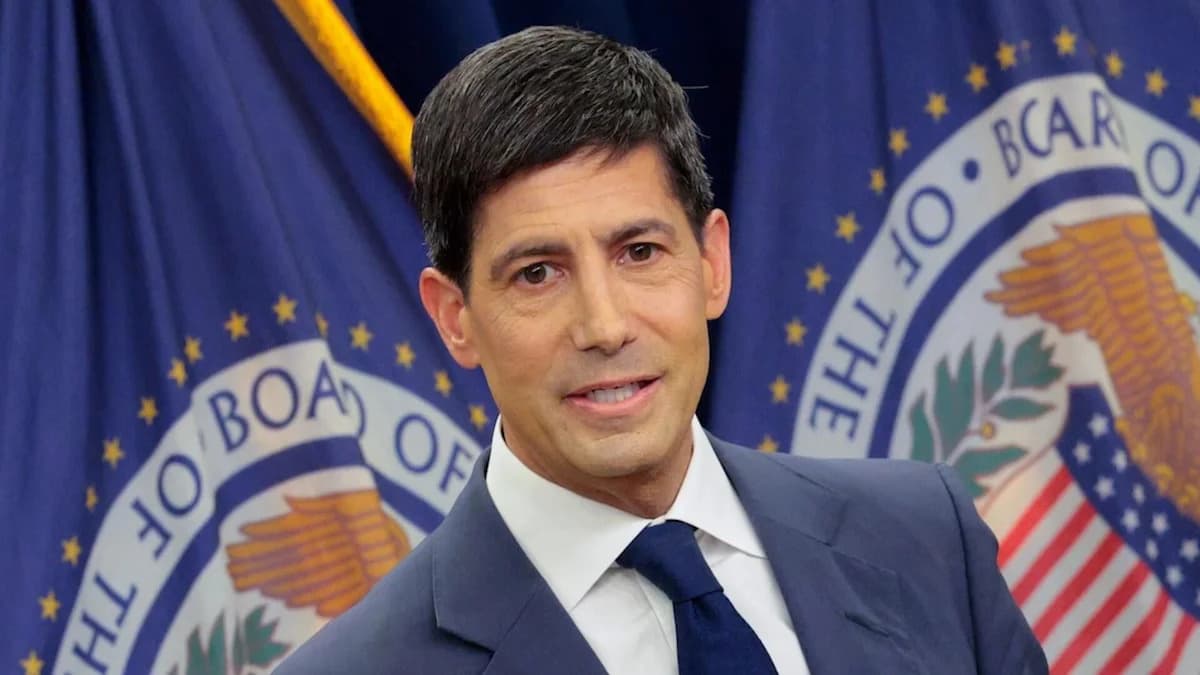
The latest Fed increase was the first under recently appointed Chair Kevin Warsh, and the higher benchmark rate is expected to raise borrowing costs for consumers.
2
The US Dollar Index rose back above 100 for the first time since early August, with 101.80—its June 24 year-to-date high—identified as the next major resistance level.
3
The two-year US Treasury yield has risen about 55 basis points since late August, while rate markets are pricing three additional Fed hikes over the next year.
4
Chicago Fed President Austan Goolsbee said supply shocks have become more frequent, severe and persistent, weakening the case for simply “looking through” their inflationary effects; St. Louis Fed President Alberto Musalem said inflation risks could remain substantially above the Fed’s 2% target in 18 months without further restraint.
5
ING expects a December Fed hike partly because it is closer to the US midterm elections than an October move, and says the Fed could feel compelled to act if markets price at least a two-thirds probability of a hike in order to avoid volatility at the long end of the yield curve.
The Federal Reserve raised its benchmark interest rate by 25 basis points to 3.75%-4%, marking Chair Kevin Warsh's first rate hike since taking office. BGOV reported that the OECD warned global inflation in 2027 will exceed forecasts in nearly every G20 economy except China and Saudi Arabia, potentially requiring further central bank tightening. Market expectations now show three additional Fed hikes over the next year, with some officials signaling more increases may be needed to combat persistent inflation and supply pressures.
The US Dollar Index surged back above 100 for the first time since early August, buoyed by rising Treasury yields and the Fed's tightening cycle. FXStreet noted that the two-year Treasury yield has climbed about 55 basis points since late August. However, analysts warn that tightening from other central banks could limit the dollar's gains, with some forecasting a possible final Fed hike in December.
Why the Fed Raised Rates Now
Chicago Fed President Austan Goolsbee explained that supply shocks have become more frequent, severe, and persistent, making it harder to simply ignore their inflationary effects. Bloomberg reported that St. Louis Fed President Alberto Musalem warned inflation risks could remain well above the Fed's 2% target in 18 months without additional restraint. The central bank faces mounting pressure to contain price growth before it becomes embedded in wage expectations.
Dollar Strength Driven by Rate Gap
The US Dollar Index climbed above 100 as American interest rates rose faster than rates in Europe, the UK, and Japan. FXStreet noted that the sharp jump in US yields has attracted foreign investors seeking higher returns on dollar assets. The dollar's next major resistance level sits at 101.80, its June 24 year-to-date high. However, this strength may not last if other central banks also begin tightening.
Geopolitical Risks Could Derail the Dollar Rally
Oil prices and the potential reopening of the Strait of Hormuz remain wildcard factors for inflation and currency markets. FXStreet warned that if global energy supplies stabilize, inflation pressures could ease, potentially limiting further Fed rate hikes. Geopolitical developments involving US, Gulf, and Chinese leaders could shift expectations for both inflation and monetary policy in coming months. A more stable energy market would strengthen the case for pausing rate increases.
What Comes Next: December Hike Still in Play
Analysts expect the Fed may deliver one more rate increase in December, partly because that timing is closer to US midterm elections than an October move. ING noted that if financial markets price at least a two-thirds probability of a December hike, the Fed may feel compelled to act to avoid volatility in longer-term bond yields. Beyond that, the central bank is likely to pause and assess whether its tightening has finally brought inflation under control.
Sentiment
Mostly PositiveNEGATIVENEUTRALPOSITIVE
Publishers
15
Articles
6
Reach
21
A
AnonymousAuthor