Sweden Government Falls
Swedish Prime Minister Ulf Kristersson Resigns Following Narrow Election Defeat
Anonymous
Key Points
1
The opposition’s 176 seats included 99 for the Social Democrats, 30 for the Left Party, 25 for the Centre Party and 22 for the Greens, according to Sweden’s public broadcaster SVT.
2
The result was exceptionally close: preliminary figures put the difference between the two blocs at roughly 50,000 votes in a country of about 10 million people.
3
The election result still required formal certification; the Swedish Election Authority expected the process to be completed over the following days, with finalisation anticipated that weekend.
4
The right-wing bloc consisted of Kristersson’s Moderates, the Sweden Democrats, the Christian Democrats and the Liberals, while Sweden’s political system is accustomed to coalition and minority governments.
5
The Sweden Democrats’ setback was especially notable because the party lost support for the first time since entering parliament in 2010, falling three percentage points from its 2022 result. Its outside support had helped the government enact a major tightening of migration policy, and Kristersson had promised the party cabinet positions if the bloc won.
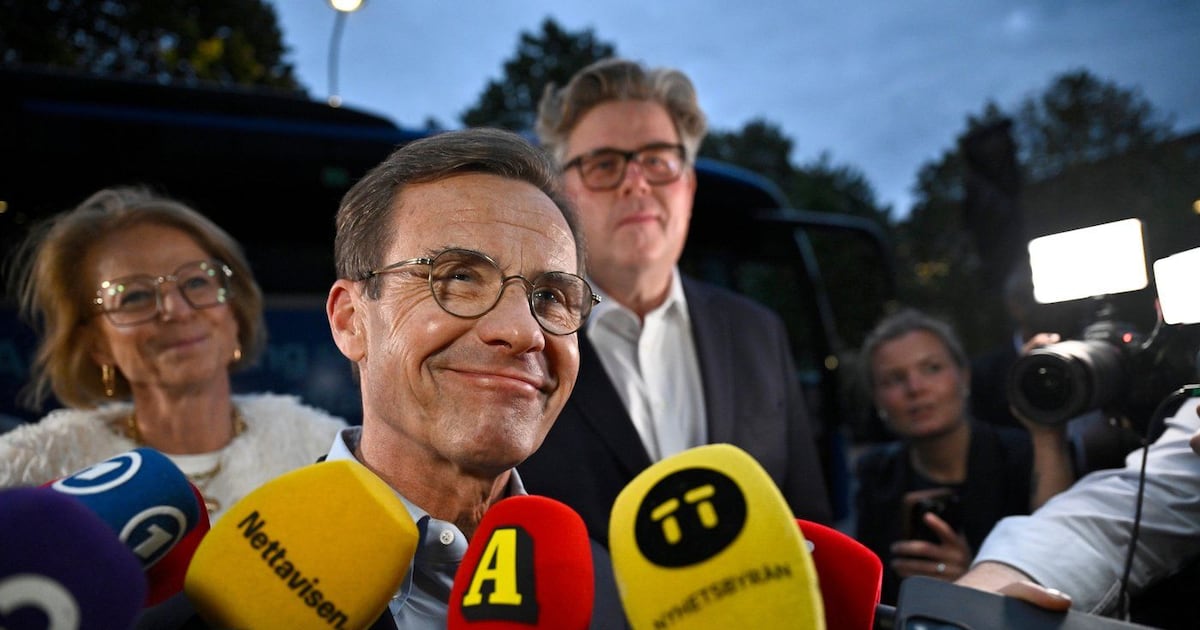
Swedish Prime Minister Ulf Kristersson resigned after his right-wing coalition lost a razor-thin election to the opposition, CTV News reported. The centre-left bloc won 176 of 349 parliamentary seats versus 173 for Kristersson's government — a margin of just 50,000 votes in a country of 10 million people.
Social Democratic leader Magdalena Andersson now leads efforts to form a new government with the Left, Centre and Green parties, South China Morning Post noted. The result marked an unexpected setback for the anti-immigration Sweden Democrats, which lost support for the first time since entering parliament in 2010.
Opposition's Narrow Victory Ends Right-Wing Rule
The opposition coalition claimed 176 seats split among four parties: the Social Democrats with 99, the Left Party with 30, the Centre Party with 25, and the Greens with 22, according to SVT, Sweden's public broadcaster. Kristersson's bloc — the Moderates, Sweden Democrats, Christian Democrats and Liberals — secured 173 seats combined.
The election outcome was exceptionally close. CTV News reported that preliminary figures showed a difference of approximately 50,000 votes separating the two blocs in a nation of roughly 10 million people. The Swedish Election Authority expected to complete formal certification of results within days.
Sweden Democrats Lose Support Despite Government Role
The anti-immigration Sweden Democrats suffered a significant setback, falling three percentage points from their 2022 election result. This marked the party's first loss in support since entering parliament in 2010, despite providing crucial backing for Kristersson's government.
Kristersson had promised the Sweden Democrats cabinet positions if his coalition won reelection. The party had helped enact tough new migration policies during the government's term. Their electoral decline suggests voters rejected the party's influence or disagreed with the direction of policy under Kristersson's leadership.
Coalition Talks Begin Amid Deep Policy Divides
Andersson must now negotiate a governing coalition with three ideologically diverse parties. Significant disagreements on taxation, spending and social policy could complicate talks. Sweden's political system routinely relies on coalition and minority governments, but bridging these differences will prove challenging.
The left-leaning bloc's control of 176 seats gives it a slim working majority, but only if all parties stay united. Any defections or abstentions could destabilize the government. Negotiations typically take weeks or months to resolve in Swedish politics, where compromise-building is standard practice.
Sentiment
Mostly NegativeNEGATIVENEUTRALPOSITIVE
Publishers
22
Articles
107
Reach
129
A
AnonymousAuthor


