Multi-State Rescue Operations
Helicopters and Drones Rescue Injured Climbers and Hikers Across North America
Anonymous
Key Points
1
The North Sister rescue began after watchstanders received a report at about 4 p.m.; the Coast Guard helicopter arrived around 6 p.m. and completed the hoist at approximately 7 p.m. as weather conditions deteriorated.
2
The Honolulu Fire Department dispatched six units and 17 personnel after receiving the 911 call at 6:25 p.m.; the first rescuers reached the trail on foot nine minutes later, and Honolulu Emergency Medical Services took over at 7:37 p.m.
3
A Coast Guard search-and-rescue pilot, Lt. Cmdr. Brandon Books, said the North Sister crew relied on routine training to remain calm during the difficult mountain hoist, alongside assistance from ground-based partner agencies.
4
For the Power Dome rescue, the California Highway Patrol helicopter flew from its Paso Robles Airport base with a two-person crew, while a Fresno County Sheriff’s Office helicopter rescue technician assisted with the hoist.
5
The CHP said its aircraft are staffed by a pilot and a flight officer/paramedic, with the latter also operating the hoist; the agency credited its helicopter rescue technicians and other partner agencies with helping ensure a safe outcome.
Rescuers deployed helicopters and drones across four western states and Canada to pull climbers and hikers from dangerous terrain. A Coast Guard helicopter hoisted an injured hiker from a lava field near Oregon's North Sister, while firefighters in Hawaii rescued a man who fell 30 feet on Manoa Falls Trail. The operations showcased how aircraft can reach victims in spots too steep or hazardous for ground teams.
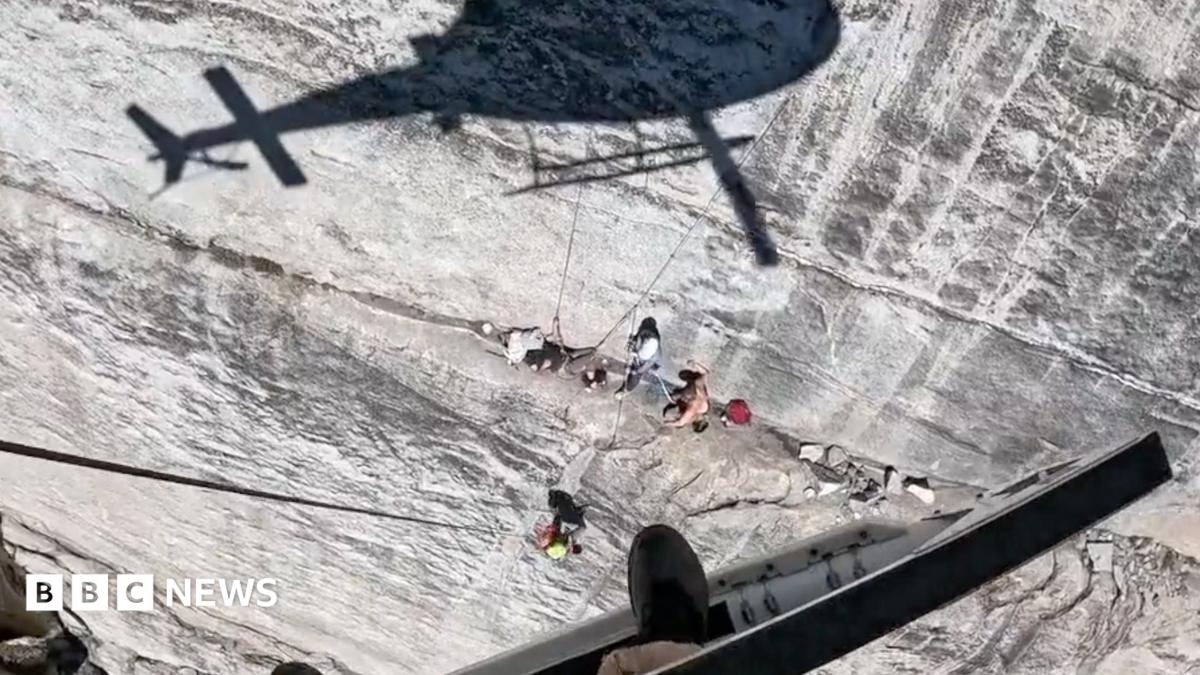
From a 700-foot California cliff to a stranded climber in British Columbia, rescue teams used precise flying and drone technology to save lives. BBC documented one dramatic rescue where a helicopter hovered just feet from a cliff face during the operation.
Oregon Hiker Rescued From Lava Field
A Coast Guard helicopter crew rescued an injured hiker from North Sister's rocky lava field near Eugene. Watchstanders received the distress call around 4 p.m., and the helicopter arrived at 6 p.m. The crew completed the hoist around 7 p.m. as weather turned worse. BBC reported that ground teams determined the steep, loose terrain made rope rescue too risky.
Hawaii Fall Leads to Fast Multi-Agency Response
In Honolulu, firefighters and an Air 1 helicopter rescued a man in his 20s from the Manoa Falls Trail after he fell approximately 30 feet and suffered leg and head injuries. The fire department received the 911 call at 6:25 p.m. and dispatched six units with 17 personnel. First responders reached the trail on foot just nine minutes later. Honolulu Emergency Medical Services took over care at 7:37 p.m.
California Climber Pulled From 700-Foot Power Dome
A climber fell from the Power Dome cliff at Courtright Reservoir in Fresno County on Friday afternoon. A California Highway Patrol helicopter and a Fresno County rescue technician hoisted the injured climber to safety. NDTV reported on the dramatic rescue from the 700-foot granite cliff. The CHP helicopter flew from its Paso Robles Airport base with a pilot and flight officer who also operates the hoist equipment.
Drones Help Stranded Climber Self-Rescue in Canada
In Squamish, British Columbia, search-and-rescue teams used two drones to help a stranded climber retrieve a dropped rope. One drone lit up the Stawamus Chief rock formation while another delivered a pilot line to the climber. The stranded climber then self-rescued using the recovered rope. This rescue showed how unmanned aircraft reduce danger to both victims and rescue personnel in difficult terrain.
Sentiment
Mostly NegativeNEGATIVENEUTRALPOSITIVE
Publishers
25
Articles
17
Reach
42
A
AnonymousAuthor


