Mass Surveillance Ruling
Federal Judge Rules Warrantless License-Plate Reader Searches Violate Fourth Amendment Rights
Anonymous
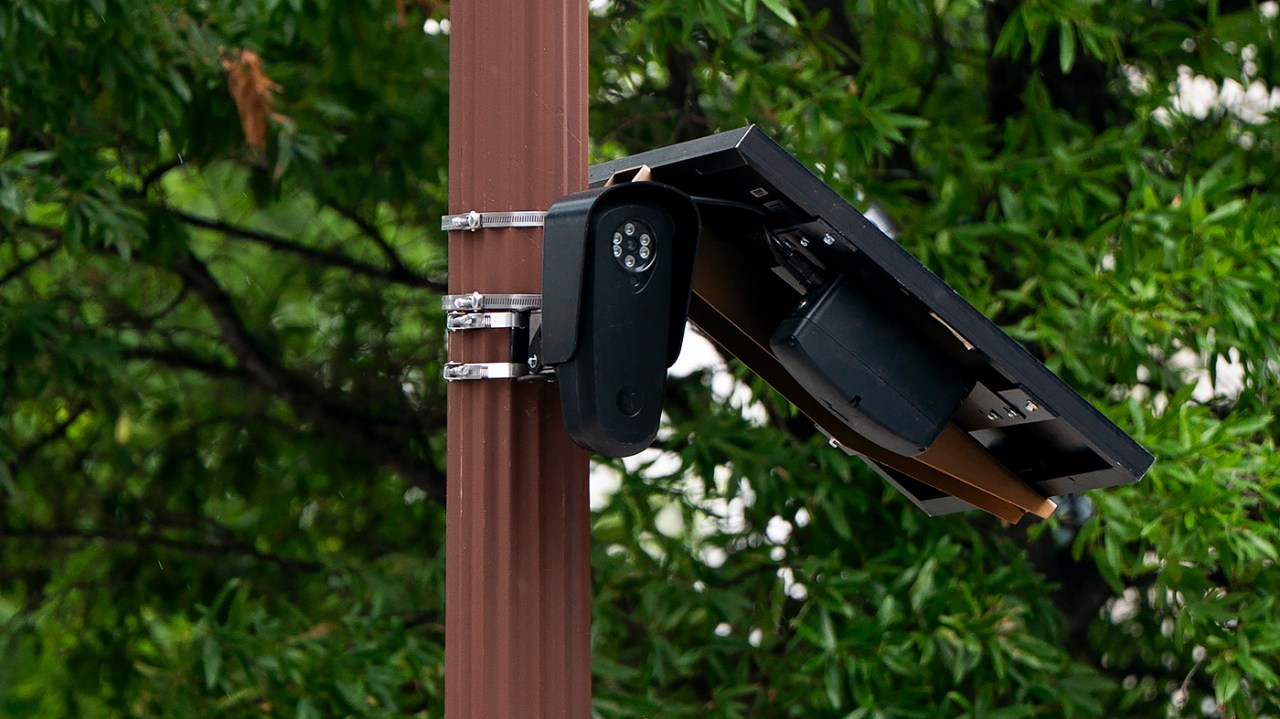
Key Points
1
Audit logs reviewed by 404 Media showed that police conduct more than 100,000 warrantless searches of Flock’s system each month.
2
Authorities said the vehicle search uncovered about 91 pounds of methamphetamine, marijuana and roughly $7,000 in cash.
3
The ruling comes amid growing public opposition to Flock cameras; some lawmakers have called for new restrictions, and others have proposed a federal ban.
4
Hill distinguished earlier rulings that treated license-plate-reader searches as observations of cars on public roads, saying those decisions failed to account for Flock’s network approaching a “dragnet-type law enforcement practice.”
A federal judge in Oklahoma ruled that police violated a woman's Fourth Amendment rights by searching a massive license-plate-reader database without a warrant. Hoosier Enquirer reported that Judge Sara E. Hill suppressed evidence from the search, calling Flock Safety's nationwide network "indiscriminate mass surveillance." The decision challenges how courts have treated warrantless license-plate searches — and could reshape police surveillance tactics across the country.
The case involved Melisa Kyle, whose vehicle movements were tracked through Flock's database over a month. The Hill reported that audit logs showed police conduct more than 100,000 warrantless searches of Flock's system each month. The deputy's search eventually led to discovery of roughly 91 pounds of methamphetamine and marijuana, plus $7,000 in cash — but the judge threw out all evidence linked to the unlawful database search.
Why License Plate Readers Are Different From Roadside Observation
Judge Hill's ruling broke with earlier court decisions that treated license-plate-reader searches as simple observation of cars on public roads. The judge reasoned that Flock's network is fundamentally different. It collects and stores travel data on a massive scale — creating a searchable database of where millions of people have driven. This "dragnet-type" approach goes beyond what any officer could observe standing on a street corner.
Over 100,000 Warrantless Searches Monthly, Records Show
The scale of warrantless Flock searches shocked even supporters of law enforcement. 404 Media audit logs revealed that police conduct more than 100,000 searches of the database each month without warrants or probable cause. This volume underscores how easily networked surveillance systems can enable mass data mining — turning targeted police work into dragnet operations that sweep up innocent people's movements.
Growing Backlash Against Flock Cameras in Cities and Congress
The ruling reflects broader resistance to Flock's expansion. The Hill reported that lawmakers across the country have called for new restrictions on license-plate readers. Some have proposed a federal ban on warrantless ALPR searches. Civil rights advocates say the technology enables police to track people's movements without suspicion — a power that historically has been weaponized against marginalized communities.
Judge's Decision Not Binding Yet, But Sets Important Standard
Judge Hill's ruling applies only to her court — it is not binding precedent nationwide. However, it signals how federal judges may rule on similar cases going forward. As more lawsuits challenge warrantless ALPR searches, courts will have to decide whether networked surveillance systems require warrants. The decision puts pressure on lawmakers to act before more judges weigh in.
Sentiment
Mostly NegativeNEGATIVENEUTRALPOSITIVE
Publishers
14
Articles
14
Reach
28
A
AnonymousAuthor


