Federal Flock Camera Restrictions
Lawmakers Introduce Bill to Restrict Federal Use of Flock Surveillance Cameras
Anonymous
Key Points
1
The Ban Flock Act would let Americans sue the federal government over rights violations involving ALPR use, impose possible retraining, suspension or termination for federal officials who use the technology, and exempt readers used only to enforce toll payments.
2
More than 120,000 Flock cameras were installed last year, and reports of misuse have included officers using the technology to stalk or harass people—including former romantic partners—who were not subjects of criminal investigations.
3
Republican Rep. Thomas Massie introduced a separate Flock-Off Act that would go further than the Ban Flock Act by seeking to block local governments from purchasing or integrating ALPRs and biometric surveillance cameras.
4
The bill identifies federal assistance from five departments that could be withheld from jurisdictions using ALPRs: Justice, Transportation, Health and Human Services, Housing and Urban Development, and Homeland Security.
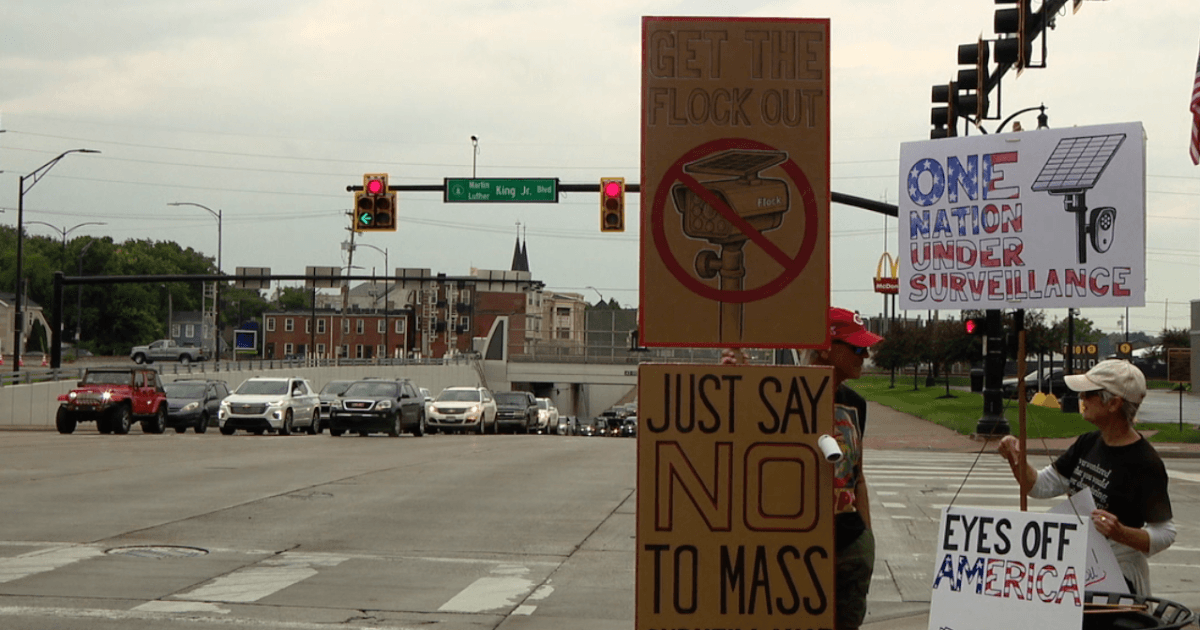
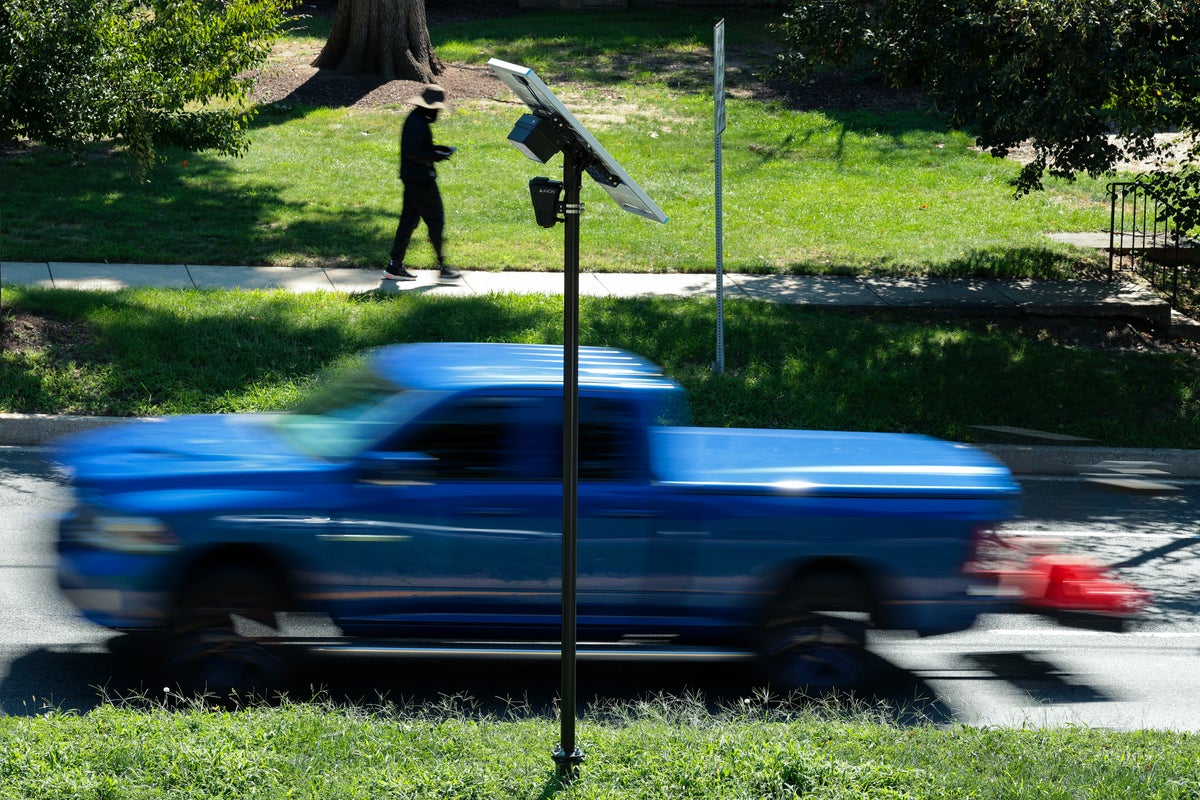
Sens. Bernie Sanders and Jeff Merkley and Rep. Alexandria Ocasio-Cortez introduced the Ban Flock Act to restrict federal use of Flock cameras—automated license plate readers that track vehicles across cities. Gizmodo reports the bill would bar federal agencies from acquiring or using the technology and tie federal grants to state and local compliance, though it stops short of banning local purchases outright.
The move follows reports of widespread misuse. Police officers have used the cameras to stalk or harass people not involved in criminal investigations, including former romantic partners. TechCrunch notes more than 120,000 Flock cameras were installed last year, raising alarm among privacy advocates who say the technology enables mass surveillance without proper safeguards.
What the Ban Flock Act Would Actually Do
The bill takes aim at federal agencies first. Gizmodo explains it would allow Americans to sue the federal government over rights violations tied to ALPR use, and impose possible retraining, suspension, or termination for federal officials who misuse it. The bill identifies five departments whose assistance could be withheld from jurisdictions using ALPRs: Justice, Transportation, Health and Human Services, Housing and Urban Development, and Homeland Security.
Tolling systems get an exemption. The bill carves out license plate readers used only to enforce toll payments, meaning highway toll plazas can keep operating their systems. But police departments and private vendors like Flock would face stricter limits on how federal money flows to jurisdictions deploying the cameras.
A More Aggressive Proposal Emerges From the Right
The Independent reports that Republican Rep. Thomas Massie introduced a separate bill—the Flock-Off Act—that goes much further. Instead of restricting federal use and grants, Massie's version would block local governments from purchasing or integrating ALPRs and biometric surveillance cameras altogether, effectively banning the technology at all levels of government.
This creates an unusual political alliance. Bernie Sanders and AOC on the left, Thomas Massie on the right—all oppose Flock cameras. Their disagreement is scope, not principle. The Ban Flock Act targets federal overreach; the Flock-Off Act aims for an outright prohibition, giving lawmakers two paths forward depending on how far they want to go.
On the Ground: Communities Split Over Removal
Cities and counties are already grappling with the technology. In St. Lucie County, Florida, officials discovered 14 unapproved or unpermitted cameras. Newscord reports the sheriff's office claimed three, while owners of the other 11 remain unidentified. Officials have posted removal notices and may disable or remove them. Flock says permitting requirements vary by jurisdiction, leaving gaps in oversight.
Other jurisdictions show divided opinions. In El Paso County, Colorado, residents debate trade-offs: some prioritize public safety, others raise privacy concerns, and some back regulated use. Pearl River County, Mississippi, is moving forward with a four-location highway system, citing investigative benefits while acknowledging the need for safeguards. Privacy advocates say local governments must weigh surveillance technology against public values like privacy, transparency, and civil liberties.
Sentiment
Mostly NegativeNEGATIVENEUTRALPOSITIVE
Publishers
22
Articles
33
Reach
55
A
AnonymousAuthor