Duterte Trial Fitness Hearing
ICC Parties Debate Rodrigo Duterte Medical Fitness to Stand Trial
Anonymous
Key Points
1
Duterte was arrested and transferred to The Hague in March 2025, about 18 months before the September 2026 fitness hearing. He served as president from 2016 to 2022 and had previously been mayor of Davao City.
2
ICC judges had already ruled in January that Duterte’s health was sufficient for him to follow the proceedings and specifically requested that he attend the hearing in person rather than by video link from the detention unit.
3
Victims’ lawyers said drug-war victims and their families continue to fear threats, retaliation and stigmatization in their communities because of Duterte’s continuing influence, and argued that his medical assessment did not change the earlier finding that he remains a significant flight risk.
4
The prosecution said Duterte’s detention risks had increased because prosecutors added eight incidents to the charges and disclosed the names of prosecution witnesses and their expected testimony, potentially increasing the risk of witness interference.
5
Duterte has defended the killings by saying he instructed police to act in self-defense and told supporters he was willing to “rot in jail” if that meant eliminating illicit drugs in the Philippines.
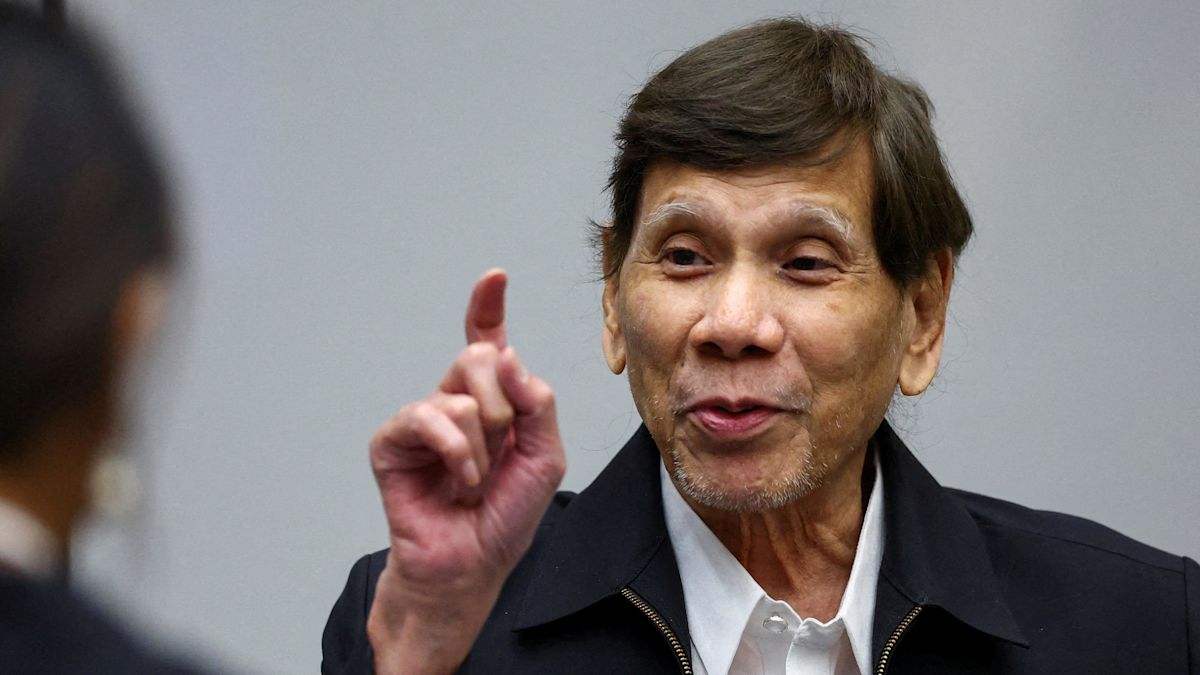
Former Philippine President Rodrigo Duterte appeared in person at the International Criminal Court in The Hague on September 16, 2026, for a critical hearing on whether he is mentally fit to stand trial for crimes against humanity linked to his deadly anti-drug campaign. BBC reported that the 81-year-old, arrested in March 2025, faced prosecutors and judges who must decide if trial proceedings can begin as scheduled on November 30.
Court-appointed medical experts found Duterte capable of exercising his legal rights despite showing reduced effort and unreliable responses during assessments, according to ICC Prosecution filings. His defense argues he suffers from severe memory loss that prevents him from retaining recent information and even remembering his lawyer's name consistently, seeking to delay or halt proceedings.
Thousands Killed in Duterte's War on Drugs
Duterte's anti-drug campaign as president from 2016 to 2022 resulted in massive casualties. Philippine police reported more than 6,200 deaths in official operations, but ICC Prosecutors estimate the total reached between 12,000 and 30,000 extrajudicial killings. The former leader has defended the deaths, saying he instructed police to act in self-defense.
The charges cover at least 76 direct murders between 2013 and 2018, spanning his time as Davao City mayor and Philippine president. Amnesty International called the proceedings "a significant step towards delivering justice for victims" and a reminder that "nobody is above the law."
Prosecutors Say Duterte Remains a Flight and Interference Risk
Acting ICC Prosecutor Maame Mandaye Niang and victims' representatives are urging the court to keep Duterte detained. Prosecutors argue that detention risks have increased because they added eight new incidents to the charges and disclosed the names of prosecution witnesses, raising the risk of witness interference. BBC noted that victims' lawyers say drug-war victims in the Philippines continue to face threats and retaliation from Duterte's political network.
Victims' representatives stressed that Duterte's influence persists in the Philippines, creating ongoing fear in communities affected by the drug war. They contend that earlier court findings—that he poses a significant flight risk—have not changed despite new medical assessments. The court previously ruled in January that Duterte's health was sufficient to follow proceedings and ordered him to appear in person rather than by video link.
Defense Claims Cognitive Decline Makes Trial Unfair
Lead defense counsel Peter Haynes argues that Duterte suffers from severe cognitive impairment that undermines his ability to participate meaningfully in his own defense. Court filings state that Duterte has "significant memory impairment that prevents him from retaining recent information" and sometimes fails to remember his lawyer's name. The defense requested independent medical examinations to support these claims.
Haynes contends that proceeding with trial violates fair-trial rights guaranteed under international law. The defense argues that prosecuting an 81-year-old with severe memory loss reduces the proceedings to a ceremonial prosecution rather than a genuine opportunity to mount a defense. However, court-appointed experts appointed in June 2026 concluded Duterte retains enough capacity to exercise his procedural rights, though they noted reduced effort during assessments.
Trial Set to Begin Unless Fitness Challenge Succeeds
Trial Chamber III judges must now issue a formal ruling on Duterte's fitness to stand trial. If declared fit, opening statements are scheduled for November 30, 2026. The case is unprecedented—Duterte became the first Asian former head of state brought into ICC custody when he was arrested in March 2025, about 18 months before this fitness hearing.
The court's decision will set a legal precedent for how international tribunals evaluate cognitive fitness in aging former leaders facing mass atrocity charges. ICC rules mandate detention reviews every 120 days. A fitness ruling either clears the path to full trial or forces prosecutors to consider alternative proceedings tailored to Duterte's reduced capacity.
Sentiment
Mostly NegativeNEGATIVENEUTRALPOSITIVE
Publishers
47
Articles
201
Reach
248
A
AnonymousAuthor


