Menopause Health Risks
New Studies Detail Menopause-Linked Health Risks and Hormone Therapy Factors
Anonymous
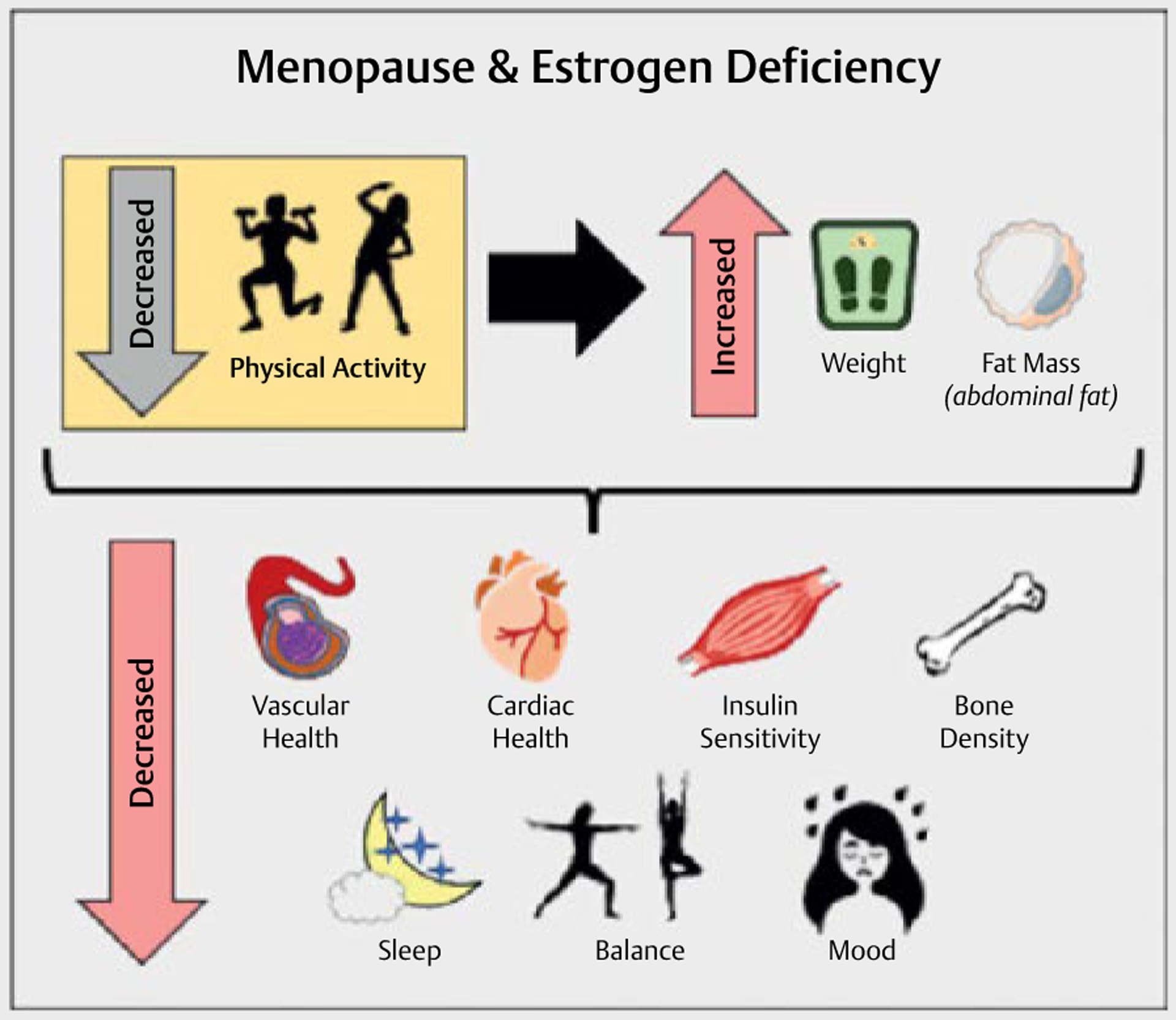
New research highlights several health concerns linked to menopause, while underscoring that the findings do not prove menopause or related conditions directly cause poor outcomes. In an observational study of more than 4,700 women, premature menopause and depression were each associated with higher risk of death, with the highest risk among women who had both. Separate studies found that cardiovascular risks from hormone replacement therapy vary by timing, duration, and formulation: oral HRT was associated with increased blood-clot risk, while higher risks of stroke and heart attack appeared linked to prolonged use of high-dose oral therapy. Research on women with Type 1 diabetes also found that those who were postmenopausal had more complications—including cardiovascular disease, nerve and eye damage, falls, and depressive symptoms—than premenopausal women, prompting calls to reassess their care and conduct further research.
Key Points
1
In the study of more than 4,700 women, premature menopause alone was associated with more than twice the risk of death, depression alone with a 64% higher risk, and having both with about five times the risk, compared with women who had neither factor.
2
Among the women with Type 1 diabetes, those who were postmenopausal were less likely to have been prescribed antihypertensive and lipid-lowering medications. Co-author Jane Yardley also cited Canadian data suggesting muscle mass, strength and quality decline more rapidly after menopause in women with Type 1 diabetes.
3
A researcher quoted in the HRT coverage said clinicians should weigh a woman’s underlying cardiovascular risk when considering treatment: a high PREVENT risk score may be a reason to avoid HRT, while women with low scores may be better candidates. The study also reported racial and ethnic differences in cardiovascular risk associated with HRT.
Sentiment
Mostly NegativeNEGATIVENEUTRALPOSITIVE
Publishers
5
Articles
9
Reach
14
A
AnonymousAuthor


