CHROs Question AI
Global Survey Finds People Leaders Most Skeptical on AI Workforce Readiness and Future Value
Anonymous
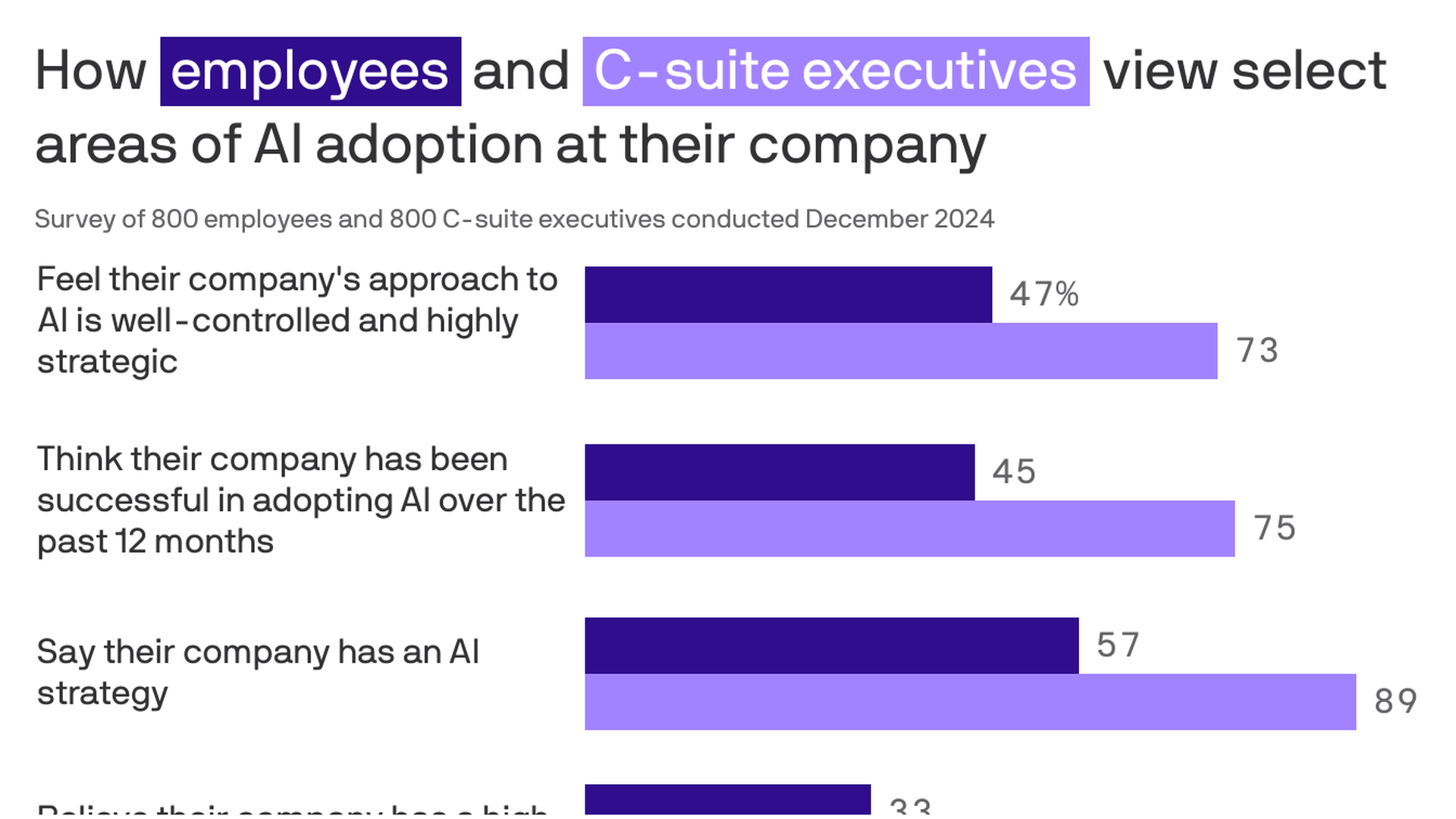
CHROs — the executives in charge of people and HR — are the most skeptical leaders in the C-suite when it comes to AI's value and workforce readiness, according to a new global survey by Protiviti. While nearly 80% of all executives expect AI to boost revenue and improve bottom-line performance within three years, HR chiefs stand apart in their doubt.
The findings come from Protiviti's fifth AI Pulse Survey, which looked at how organizations worldwide are preparing for the next wave of AI transformation. The results reveal a sharp divide between people leaders and the rest of the C-suite on AI's promise and pace.
CHROs Alone Skip Business Value as a Top AI Goal
Every other C-suite role lists business value capture as a primary AI objective by 2029. CHROs do not, according to Calgary Sun. That makes them the only executive group to leave profit and revenue off their AI priority list for the next five years.
This gap suggests HR leaders see AI through a different lens than their peers. While CEOs and CFOs focus on growth and efficiency gains, CHROs appear more focused on the human and organizational challenges that come with rolling out AI at scale.
Only 5% of CHROs Expect AI to Transform HR Work Soon
Just 5% of CHROs expect at least half of HR work to be AI-enabled within the next three years, Ontario Farmer reported. That number is strikingly low compared to the broader executive optimism about AI across other business functions.
CHROs point to the complexity of scaling AI inside HR departments as the main reason for their caution. HR work often involves sensitive data, legal compliance, and human judgment — areas where AI adoption moves slowly and carefully.
Broad C-Suite Optimism Masks a Deeper Readiness Gap
Despite the CHRO skepticism, the wider executive picture is upbeat. Nearly 80% of leaders surveyed expect AI to drive real financial results within three years, according to Fort McMurray Today. That confidence spans industries and regions in the global poll.
But optimism at the top does not mean organizations are ready. Workforce readiness — training employees, updating roles, and managing change — remains a weak spot. That is precisely the domain CHROs own, which may explain why they are more cautious than their peers.
What the CHRO Divide Means for AI Rollouts Ahead
The split between HR leaders and other executives could slow AI adoption inside organizations. If the people responsible for workforce strategy are not aligned with AI goals, scaling tools across teams becomes harder, according to Pembroke Observer.
Protiviti's survey points to a need for better alignment between CHROs and the broader C-suite. As companies push forward with AI investments, getting HR leaders on board — and addressing their concerns about complexity and readiness — will be key to turning executive optimism into real results.
Sentiment
NeutralNEGATIVENEUTRALPOSITIVE
Publishers
11
Articles
11
Reach
11
A
AnonymousAuthor


