Entierro con honores militares
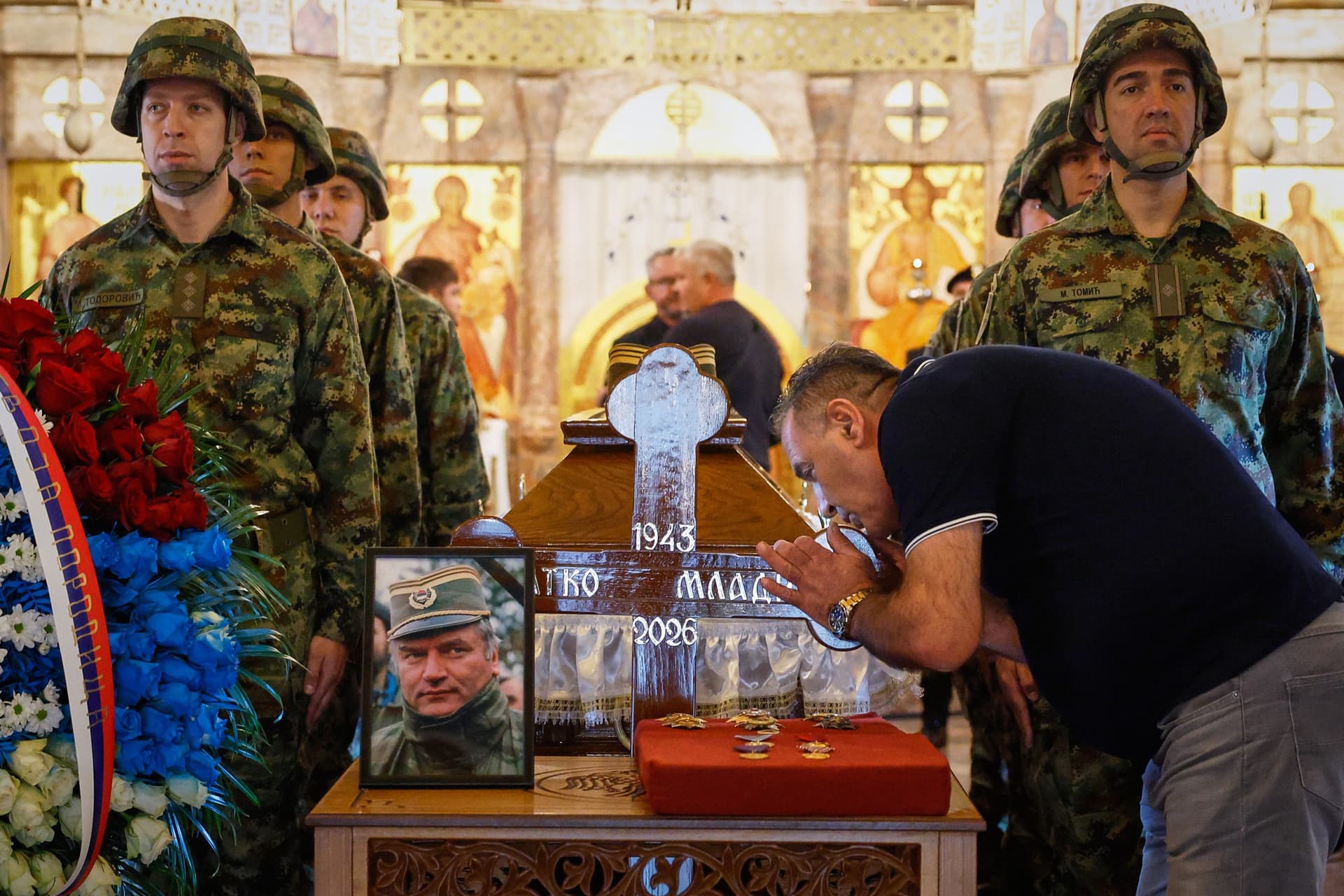
Ratko Mladic, conocido como el carnicero de los Balcanes, es enterrado con honores militares
Anonymous
Ratko Mladic, the Bosnian Serb military commander convicted of genocide and crimes against humanity, was buried with military honors in Serbia. El Día reports that army members draped his coffin with the flags of Serbia and the Republika Srpska, the Serb-controlled entity within Bosnia.
Mladic, known as the "Butcher of the Balkans," was sentenced to life in prison by the UN war crimes tribunal for his role in the 1995 Srebrenica massacre and other atrocities during the Bosnian War. The military funeral sparked fresh debate over how Serbia remembers its wartime past.
War Criminal Given Full State Ceremony
Mladic died in prison in 2023 after serving years of his life sentence. LNE confirmed that Serbian military personnel presided over his burial, covering his coffin with national symbols. The decision to grant him military honors drew criticism from victims' families and international observers.
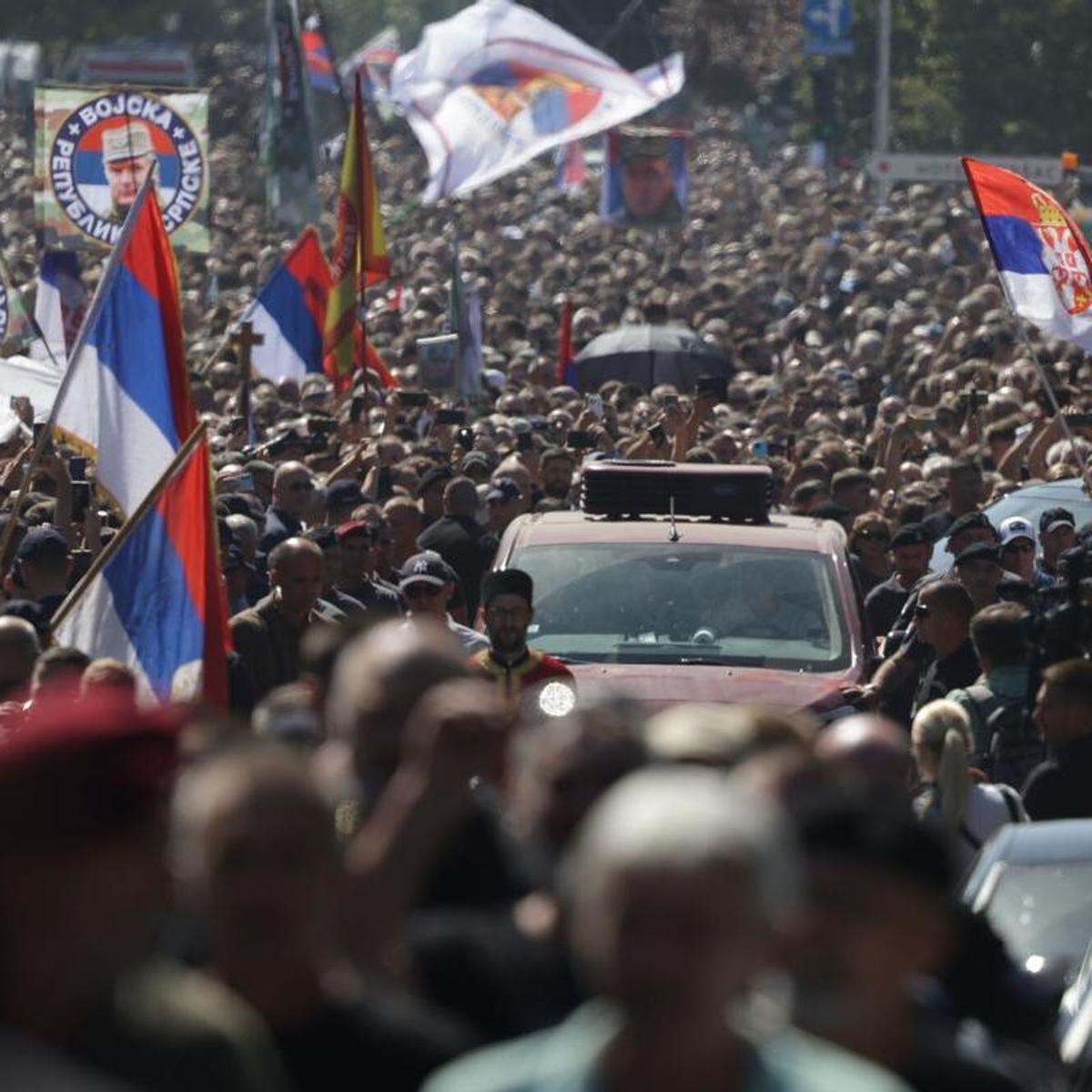
The ceremony highlighted ongoing tensions in Serbia over how to reckon with the Balkans conflict. Some Serbs view Mladic as a nationalist hero, while survivors and prosecutors see him as responsible for tens of thousands of deaths and forced displacements.
The Srebrenica Genocide and Mladic's Role
In July 1995, Mladic's forces overran the Muslim enclave of Srebrenica in eastern Bosnia. La Opinión de Málaga notes that over 8,000 Bosniak men and boys were systematically killed in what became Europe's worst massacre since World War II. Mladic personally ordered the operation and watched as soldiers executed civilians.
The International Criminal Tribunal for the Former Yugoslavia (ICTY) found Mladic guilty of genocide, crimes against humanity, and war crimes. Prosecutors presented evidence that he coordinated the massacre with other Serb leaders, making it a deliberate campaign of ethnic cleansing.
Regional Division Over His Legacy
Serbia remains divided on Mladic's memory. El Periódico reports that nationalist groups have lionized him as a defender of Serb interests. Meanwhile, Bosnia, victims' advocates, and Western governments condemned the military burial as disrespectful to genocide survivors.
The funeral reflects Serbia's slow reckoning with the 1990s wars. El Periódico Mediterráneo notes that official acknowledgment of atrocities remains incomplete, complicating regional reconciliation efforts and Bosnia's own path toward stability and EU membership.
Sentiment
NeutralNEGATIVENEUTRALPOSITIVE
Publishers
14
Articles
0
Reach
14
A
AnonymousAuthor