Extreme Southern California Humidity
Record-breaking humidity levels transform Southern California weather into conditions resembling Florida.
Anonymous
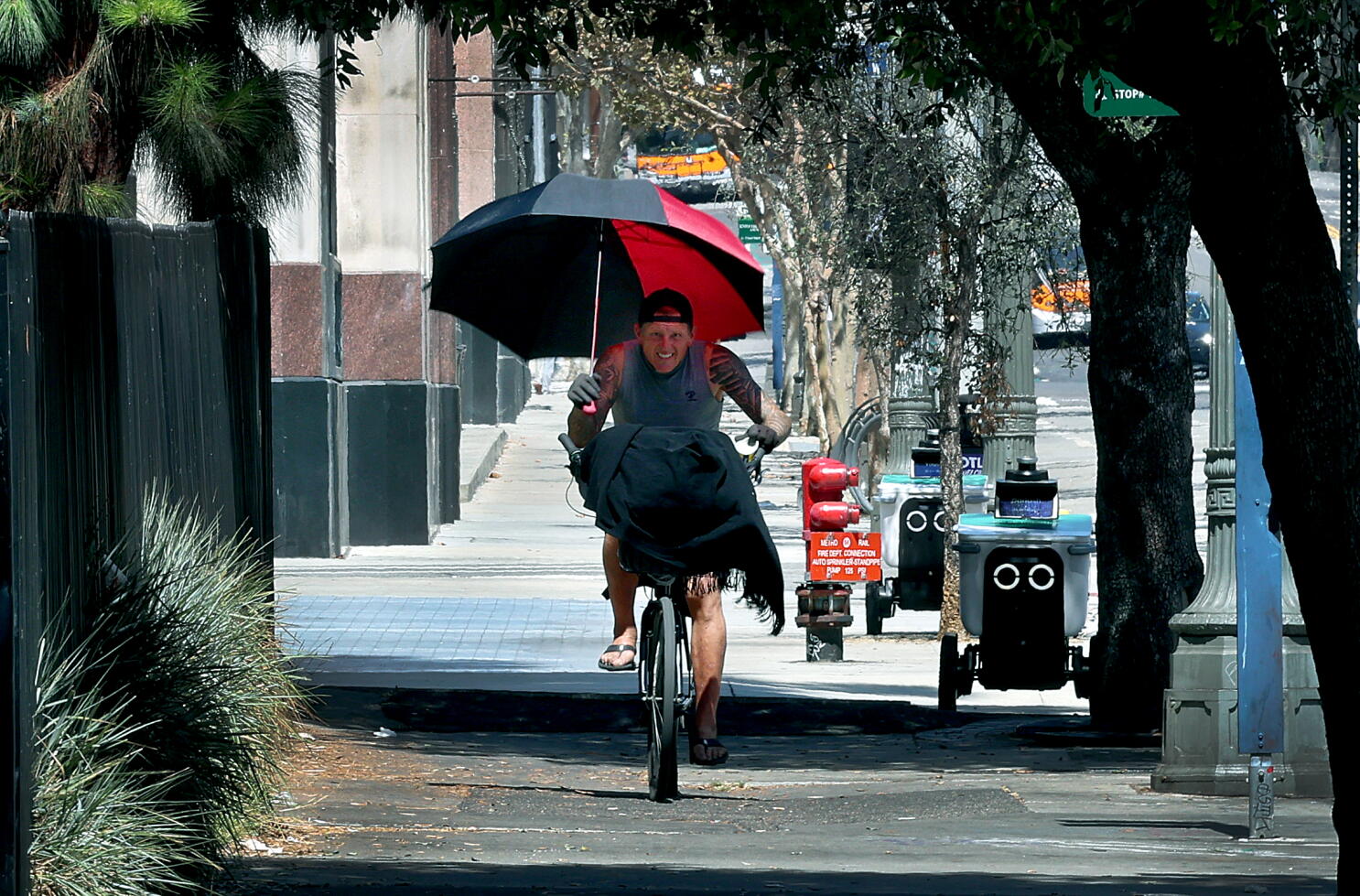
Southern California is experiencing record-breaking humidity this summer, with dew points soaring to 70–75 degrees across the Los Angeles Basin and coastal areas. Idaho Statesman reports that conditions now feel more like Florida than the West Coast, driven by Tropical Storm Iselle's remnants, a monthslong marine heat wave, and El Niño.
The extreme moisture has triggered dangerous overnight temperatures. Union-Bulletin notes that at least 14 Southern California locations—including Long Beach, Anaheim, and Santa Ana—shattered daily minimum temperature records, with overnight highs exceeding 90 degrees. Sea surface temperatures at Scripps Institution hit 76.8 degrees, nearly matching the 2015 daily record of 77 degrees.
Tropical Storm Iselle Brings Moisture From the South
The primary culprit is Tropical Storm Iselle. San Luis Obispo explains that the remnants of this tropical system have pumped unprecedented amounts of moisture northward into Southern California. This marine air has collided with the region's typical dry summer patterns, creating a hybrid climate nobody expected.
A Monthslong Heat Wave Amplifies the Moisture Trap
A monthslong marine heat wave has kept ocean temperatures abnormally warm, feeding more water vapor into the atmosphere. Daily Item reports that this persistent heating, combined with El Niño—a powerful climate pattern shifting Pacific weather—has created the perfect storm. Warm air holds more moisture, and Southern California's air has nowhere to release it.
Record Overnight Temperatures Create Health Risks
The combination of moisture and heat has produced a dangerous consequence: overnight temperatures that refuse to drop. In 14 locations including Los Angeles International Airport, Palm Springs, and Riverside, daily minimum temperature records fell. Union-Bulletin notes this prevents bodies and buildings from cooling at night, sharply raising the risk of heat stress and illness.
Climate Change Is Reshaping Western Weather Patterns
Scientists point to climate change as the underlying driver amplifying all these factors. Idaho Statesman indicates that warmer oceans, stronger El Niño patterns, and more intense tropical systems are becoming the new normal. Southern California's swampy summer is a preview of what the West Coast may expect in coming years.
Sentiment
NeutralNEGATIVENEUTRALPOSITIVE
Publishers
4
Articles
4
Reach
4
A
AnonymousAuthor


