Record Heat, Wildfire Risk
Record-Breaking Heat Wave Grips Western US, Escalating Wildfire Risk Amid Extreme Temperatures
Anonymous
A dangerous heat wave is sweeping the Western United States, with forecasters warning of record-breaking temperatures that could reach as high as 118°F (48°C), according to The Independent. The National Weather Service has issued warnings urging people to stay indoors as the extreme heat raises wildfire risks across a region already parched and burning.
Las Vegas is expected to hit 115°F (46°C), Phoenix 116°F (47°C), and El Centro, California, could reach a record 118°F (48°C), per SF Chronicle. Even Montana is not spared — Great Falls may hit a record 104°F (40°C), with the entire east side of the state under an extreme heat warning.
Record Temperatures Sweeping From Desert to Northern Plains
The heat wave is hitting a wide stretch of the West hard and fast. Las Vegas, Phoenix, and El Centro are each forecast to shatter their previous highs for the year, according to KHQ. El Centro's predicted 118°F would set an all-time record for the city. These are not just hot days — they are dangerous ones.
Montana's expected highs are especially striking. Great Falls could reach 104°F (40°C), an unprecedented level for the northern city, reports Durango Herald. The entire eastern half of Montana is under an extreme heat warning. Forecasters say residents should drink water constantly and avoid outdoor activity during peak afternoon hours.
Extreme Heat Supercharges Wildfire Threat Across the West
The heat wave is not just a health emergency — it is also a fire emergency. Forecasters warn that high temperatures, combined with months of drying, will push wildfire risk to dangerous levels, according to Independent. Areas already burning could see fires spread faster and grow larger in these conditions.
When heat dries out plants and soil, it creates what fire experts call "fuel" — material that catches and spreads fire easily. Back-to-back heat events have been drying the West for weeks. Winnipeg Free Press reports that the combination of ongoing fires, dry brush, and extreme temperatures makes this heat wave especially dangerous for wildfire spread.
Climate Change Making Heat Waves Bigger and More Frequent
Scientists say events like this are not random. The burning of coal, oil, and natural gas has warmed the planet, making heat waves larger and more intense, according to The Independent. That extra heat also drives worse droughts and bigger wildfires. What once was a rare extreme is becoming a regular summer event across the American West.
Each degree of warming raises the ceiling on how hot a heat wave can get. SF Chronicle notes that climate-driven heat now amplifies every stage of the wildfire cycle — from drying out forests to spreading flames faster. Experts warn that without cuts to greenhouse gas emissions, these summer extremes will keep getting worse.
Health Warnings Issued as Residents Urged to Stay Cool
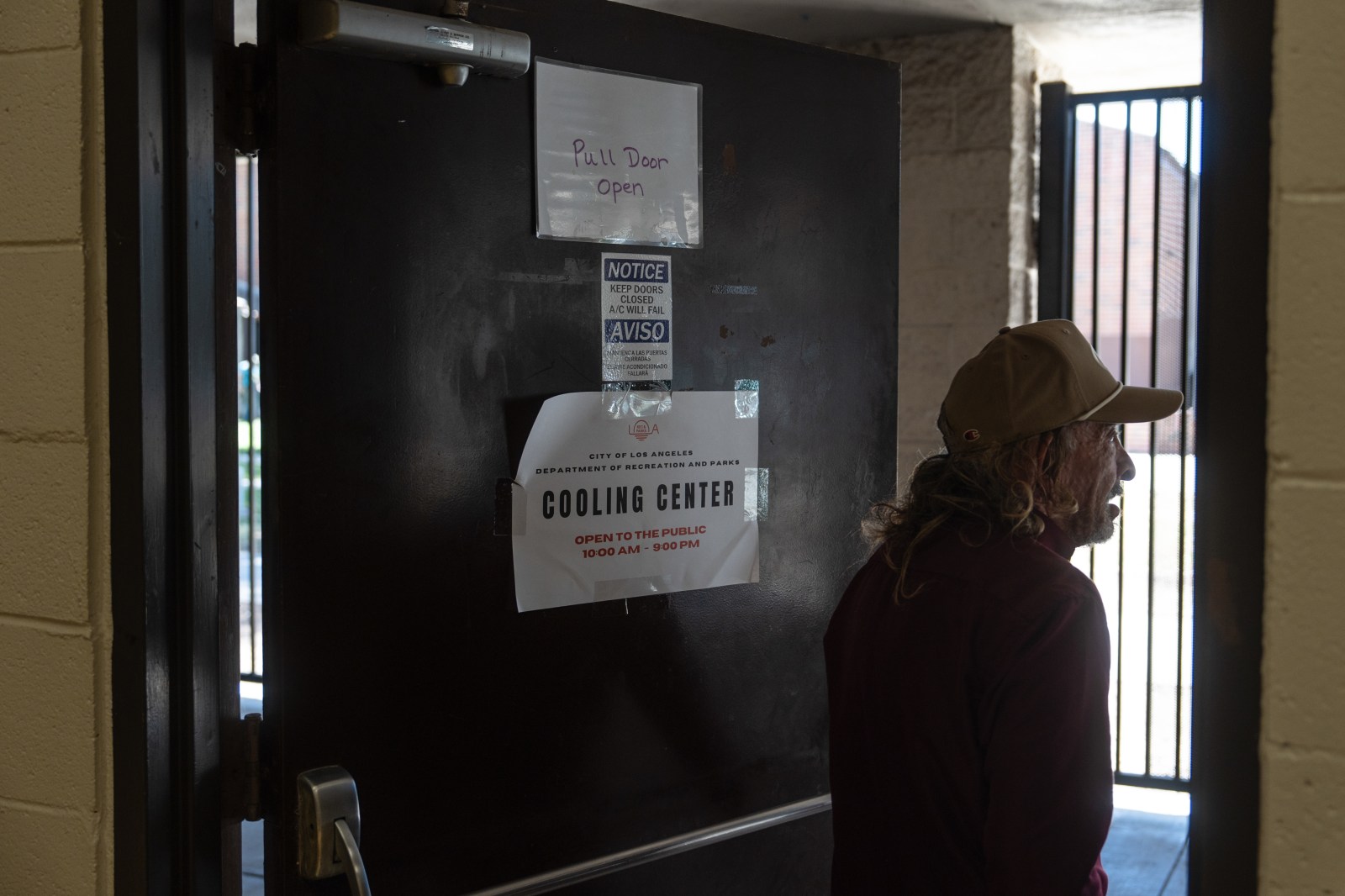
Officials are urging people to stay indoors, especially during afternoon hours when temperatures peak. Cooling centers are being opened in several cities. Authorities warn that elderly residents, children, and outdoor workers face the highest risk of heat stroke and heat exhaustion, per Durango Herald.
Heat kills more Americans each year than any other weather event. Signs of heat stroke include confusion, hot dry skin, and a body temperature above 103°F. Officials say the best protection is simple: stay inside, drink water, and check on neighbors. KHQ reports that emergency services across the region are on heightened alert through the weekend.
Sentiment
NeutralNEGATIVENEUTRALPOSITIVE
Publishers
6
Articles
6
Reach
6
A
AnonymousAuthor


