Financiación para la investigación
La Asociación Española Contra el Cáncer reclama mayor financiación para la investigación
Anonymous
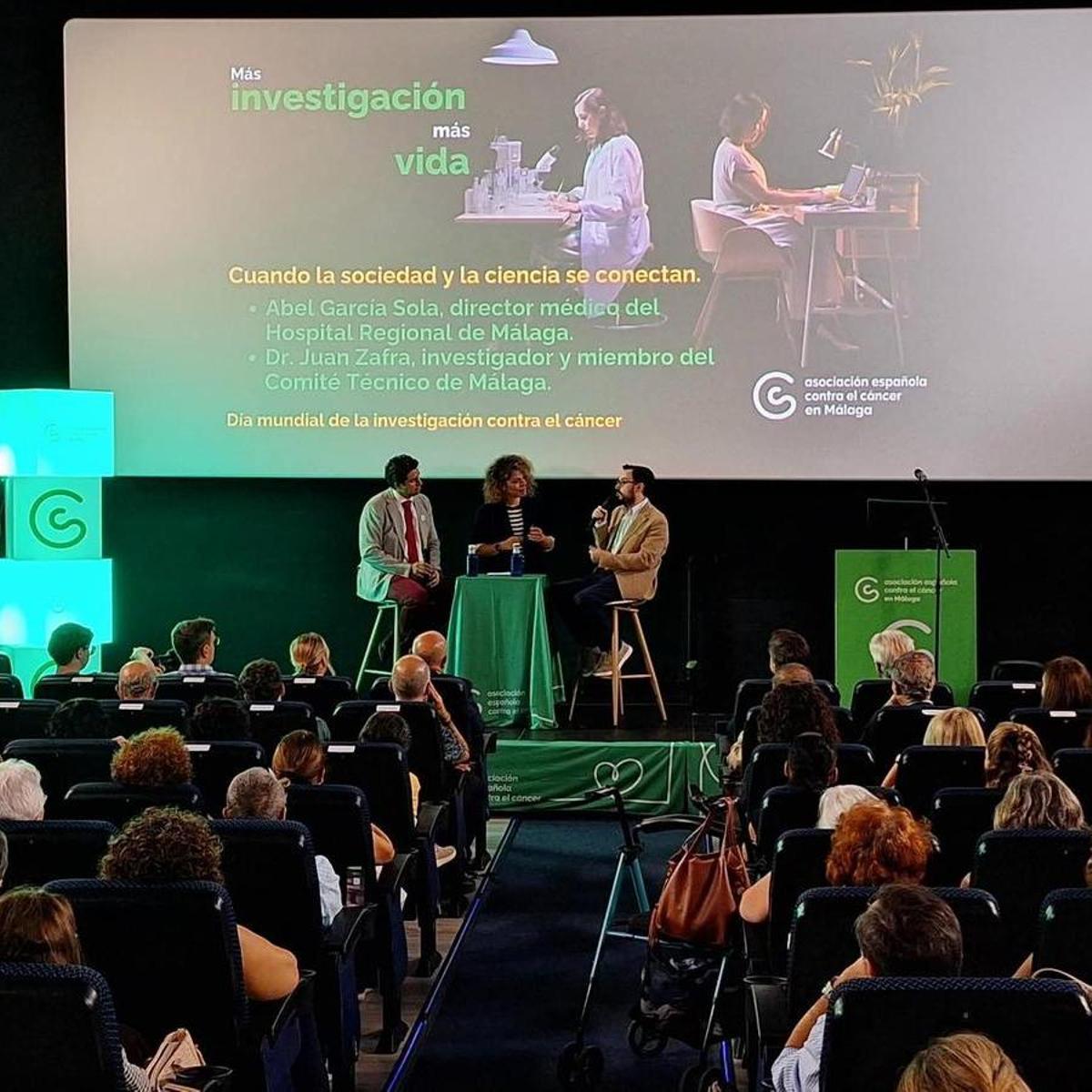
Spain's cancer research network is pushing for stable, long-term funding to keep its momentum going. The Spanish Association Against Cancer says it needs more money to support over 3,000 researchers working across its programs, according to Información.
The network has delivered real results. It produced 1,950 scientific breakthroughs and 352 new findings so far in 2025 alone. Researchers say unpredictable funding threatens these gains and slows progress against one of Spain's deadliest diseases.
A Research Network Spanning Spain
More than 3,000 researchers work within the Spanish Association Against Cancer's network, La Provincia reports. These scientists operate across multiple research centers and universities nationwide. They focus on understanding cancer biology, developing new treatments, and improving patient outcomes.
The scale of this effort is significant. In just the first months of 2025, the network generated 1,950 scientific advances and 352 new research results. These include clinical trials, laboratory discoveries, and therapeutic innovations that move Spain's cancer care forward.
Why Stable Funding Matters for Cancer Research
Cancer research requires long-term commitment. Scientists cannot start projects if they don't know funding will continue next year. Uncertainty forces researchers to leave Spain or abandon promising lines of investigation, Diario de Ibiza notes.
The association argues that funding gaps waste human talent and slow innovation. Spain has built a skilled research workforce. Without stable support, these researchers may move to countries with more predictable budgets. That brain drain weakens Spain's entire health system.
The Path Forward for Spanish Oncology
The cancer association is calling on government and regional authorities to commit to multi-year funding plans. Researchers need resources that extend at least three to five years into the future. This allows them to design and complete ambitious studies that could help thousands of patients.
Investment in cancer research pays dividends beyond science. Better treatments reduce hospital costs. Early detection saves lives. The 3,000 researchers in Spain's network represent years of training and expertise. Losing them would set the entire country back.
Sentiment
NeutralNEGATIVENEUTRALPOSITIVE
Publishers
15
Articles
0
Reach
15
A
AnonymousAuthor


