Real-time Quake Detection
New System Leverages Fiber Optic Cables and AI to Detect Earthquakes in Seconds
Anonymous
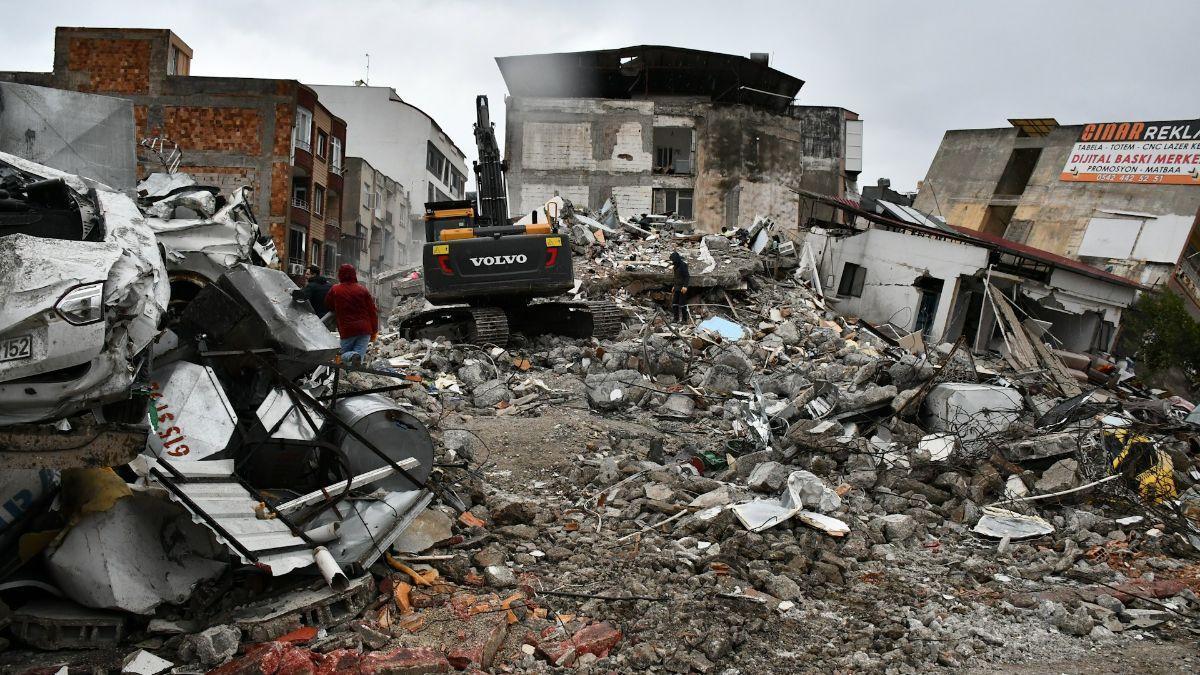
A new system can determine the magnitude of an earthquake in just seconds — using the fiber optic cables already buried under our streets. The technology combines existing telecommunications infrastructure with machine learning to classify seismic events almost in real time, according to Levante EMV and El Periódico.
Traditional seismic networks rely on dedicated sensors spread across the ground. This new approach turns ordinary internet cables into a vast detection grid. It could transform earthquake early warning systems worldwide, especially in areas where sensor networks are limited.
How Fiber Optic Cables Sense the Ground Moving
Fiber optic cables carry light pulses to transmit data. When the ground shakes, those pulses are disturbed in measurable ways. Scientists can read those tiny disturbances to detect seismic waves. This technique is called Distributed Acoustic Sensing, or DAS. It turns every meter of cable into a virtual sensor, according to Diario de Mallorca.
The advantage is enormous. Millions of kilometers of fiber optic cable already exist underground across the globe. No new hardware needs to be installed on the ground. Researchers simply tap into the existing network. This makes the system far cheaper than building new seismic monitoring stations from scratch.
Machine Learning Classifies Earthquakes in Real Time
The system uses a machine learning algorithm trained on thousands of past seismic events. When a quake hits, the algorithm analyzes the cable signals and assigns a magnitude rating within seconds. That speed is critical. Current methods can take minutes to produce a reliable magnitude estimate, according to La Opinión de Málaga.
Faster magnitude estimates mean faster warnings. Emergency services, transport systems, and nuclear plants can start protective actions sooner. Even a few extra seconds of warning can save lives and reduce injuries. The algorithm keeps improving as it processes more data from real earthquakes.
A Denser Seismic Grid Without Extra Cost
Traditional seismic stations are expensive to build and maintain. They are often spread tens of kilometers apart. That leaves gaps where small or moderate quakes can go undetected or poorly measured. Fiber optic cables, by contrast, run under cities, roads, and ocean floors, creating a far denser detection grid, according to La Opinión de A Coruña and LNE.
Urban areas — which face the greatest risk from earthquakes — tend to have the highest density of fiber cables. This means the places that need earthquake warnings most could benefit most from the technology. Researchers say the system works well even with the signal noise caused by everyday traffic and city activity above the cables.
Next Steps Toward Worldwide Earthquake Early Warning
Scientists still need to test the system across different geological settings and cable types. Results so far are promising, but large-scale real-world trials are needed before the technology can be widely deployed. Researchers are working with telecommunications companies to expand access to cable networks, according to Información and El Periódico Mediterráneo.
If successful, this could become one of the biggest upgrades to global earthquake monitoring in decades. Countries with high seismic risk but limited resources — such as parts of Latin America, Southeast Asia, and the Middle East — could gain reliable early warning systems without massive investment. The fiber optic grid is already there. Scientists just need to listen to it.
Sentiment
NeutralNEGATIVENEUTRALPOSITIVE
Publishers
10
Articles
0
Reach
10
Topics
A
AnonymousAuthor


