Nueva perspectiva sobre el alzhéimer
Nuevas investigaciones revelan que células del sistema inmune influyen en el alzhéimer
Anonymous
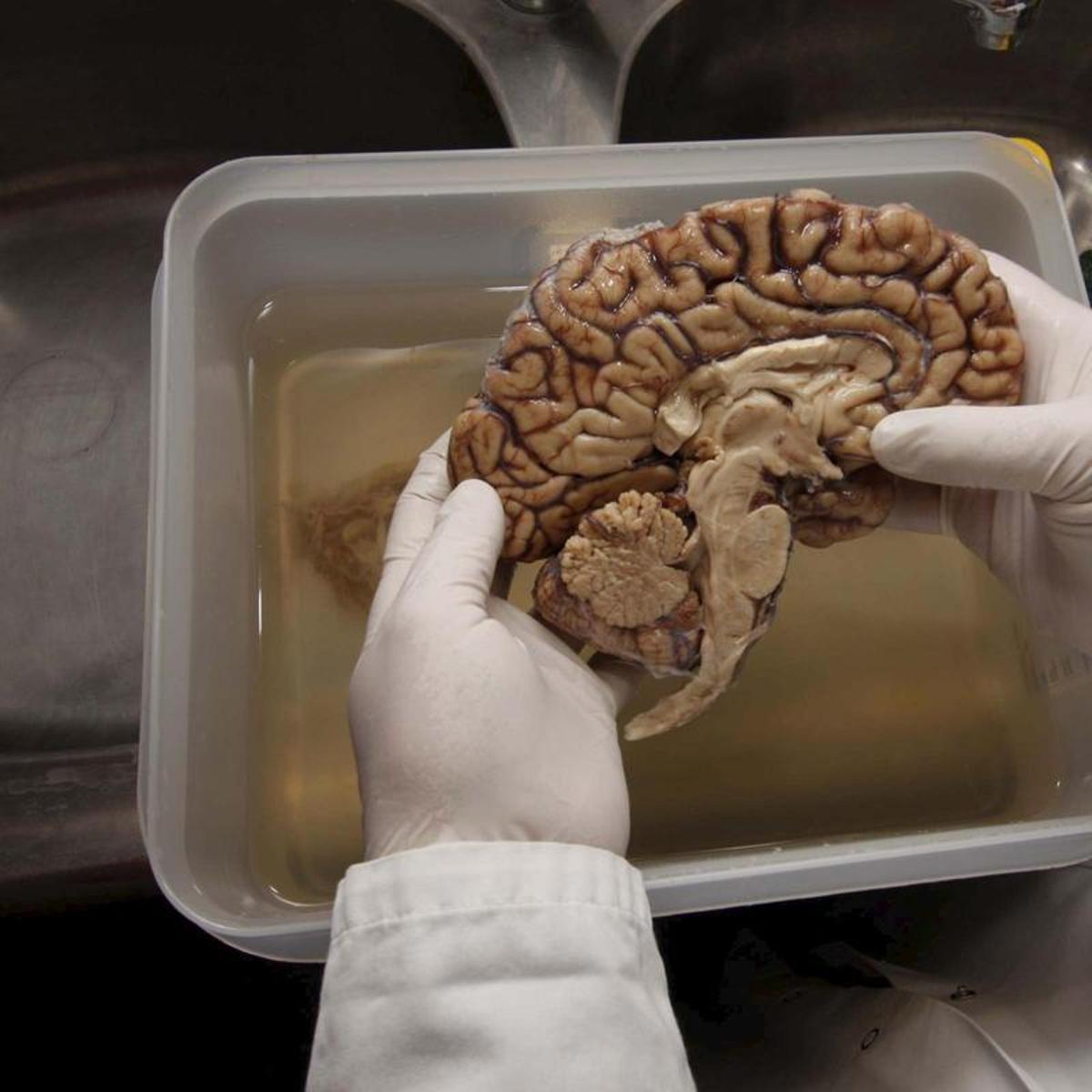
Alzheimer's disease may not be purely a brain problem. La Provincia reports that new research shows immune system cells play a major role in this dementia. Scientists now believe the disease also damages the body's immune cell factory, which could open new treatment paths.
Immune Cells Emerge as Key Players in Alzheimer's
For decades, researchers focused only on brain damage in Alzheimer's patients. But La Opinión de Murcia confirms that latest studies point beyond genetics and brain pathology. The immune system appears to malfunction in ways that fuel the disease. This shift changes how scientists think about prevention and treatment.
The Immune System's 'Factory' Gets Disrupted
The immune system produces cells in specialized organs—the bone marrow and thymus. La Opinión de Málaga notes that Alzheimer's appears to disrupt this immune cell production process. When the factory breaks down, the body cannot defend itself properly. This dysfunction may directly trigger or worsen dementia symptoms.
Rethinking Treatment Beyond Genetics and Brain Plaques
Doctors have long treated Alzheimer's by targeting amyloid plaques in the brain. Diario de Córdoba reports that immune system involvement suggests new drug targets. If scientists can fix the immune cell factory, they might slow or stop disease progression. This approach could help patients whose genetic risk is low but disease still develops.
Why This Discovery Matters for Millions
Alzheimer's affects millions worldwide, and most have no family history of the disease. El Correo Gallego emphasizes that understanding immune dysfunction opens doors to new prevention strategies. If scientists can keep the immune cell factory working, they might prevent dementia before symptoms appear. This could reshape how the world fights one of medicine's biggest challenges.
Sentiment
NeutralNEGATIVENEUTRALPOSITIVE
Publishers
11
Articles
0
Reach
11
A
AnonymousAuthor


