Historic Slow Hurricane Season
El Nino Drives Record Slow Atlantic Hurricane Season Amid Strong Wind Shear
Anonymous
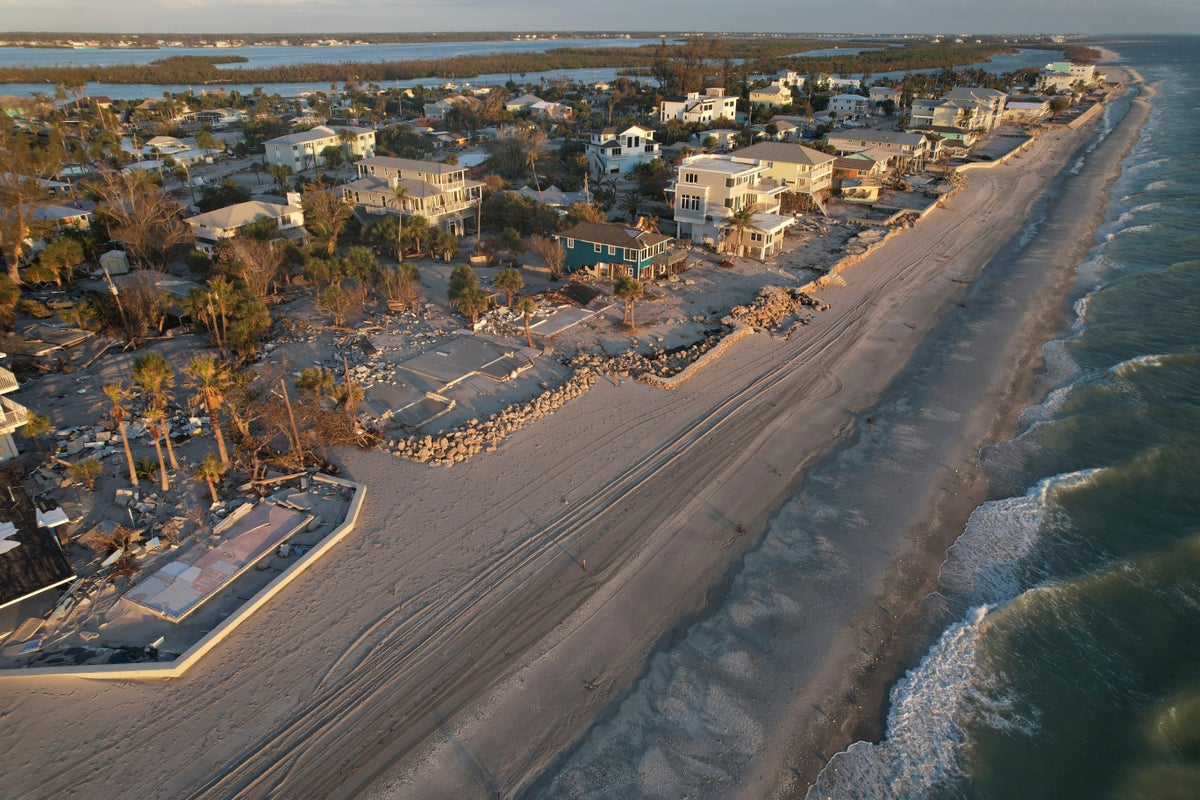
The Atlantic hurricane season has hit a historic pause. As of mid-September 2026, no hurricanes have formed yet, and none are expected for at least another week, according to National Hurricane Center. This is normally the peak of hurricane season. The latest date without a hurricane now breaks the satellite-era record set in 2002 and 2013.
A massive El Niño is the culprit. Storm activity in the Atlantic is only 7% of normal for this time of year, according to Colorado State University hurricane expert Phil Klotzbach. The giant El Niño creates record-strong wind shear—powerful easterly winds at low altitudes clash with westerly winds higher up, shredding storms before they can form. Yet experts warn: one storm could still cause catastrophic damage.
El Niño Strangles Storm Formation
El Niño events shift global wind patterns in ways that kill Atlantic hurricanes before they start. The warm Pacific waters fuel westerly winds that plunge into the Atlantic basin at high altitudes. Simultaneously, cool Atlantic sea surface temperatures weaken the fuel that tropical systems need. WBAL reports that this enormous El Niño effect crushes storms at birth.
The maximum wind speeds recorded so far this season have topped out at 64 mph (103 kph), well below the 74 mph threshold needed for hurricane status. NOAA climate forecasters note that 2026 could challenge all-time low hurricane counts. Klotzbach said would-be tropical systems have not had a "snowball's chance to reach maturity."
Historic Quiet Comes With Hidden Risk
The 2002 and 2013 seasons were also quiet—until September 11, when Hurricane Gustav and Hurricane Humberto formed. But 1992 offers a chilling lesson. That year started slowly, then Hurricane Andrew struck Florida in August as a Category 5 storm, causing billions in damage and dozens of deaths. Times Union notes that seasonal totals do not dictate local danger.
Emergency managers warn coastal residents against complacency. A single severe storm hitting a densely populated area could trigger catastrophic losses even in a historically slow season. Late September and October can still produce isolated, destructive hurricanes, experts say.
2026 Sets Post-1950 Activity Record Low
Atlantic storm activity now stands at post-1950 record lows. SFGate reports that no Atlantic hurricanes have formed yet this year, and none are expected for at least another week. On September 11, the season officially surpassed the satellite-era record for the latest date without a hurricane.
The slowdown offers temporary relief to coastal energy markets, shipping routes, and property insurers. But meteorologists stress that one late-season storm could reverse the year's lucky streak. The Atlantic basin remains primed for rapid intensification if El Niño's grip loosens.
Sentiment
NeutralNEGATIVENEUTRALPOSITIVE
Publishers
29
Articles
29
Reach
29
Topics
A
AnonymousAuthor


