Discover Prehistoric Sauropods
Fukui Dinosaur Museum Unveils 'Sauropods: Largest Creatures Ever' Exhibition, Featuring Unique In Situ Display
Anonymous
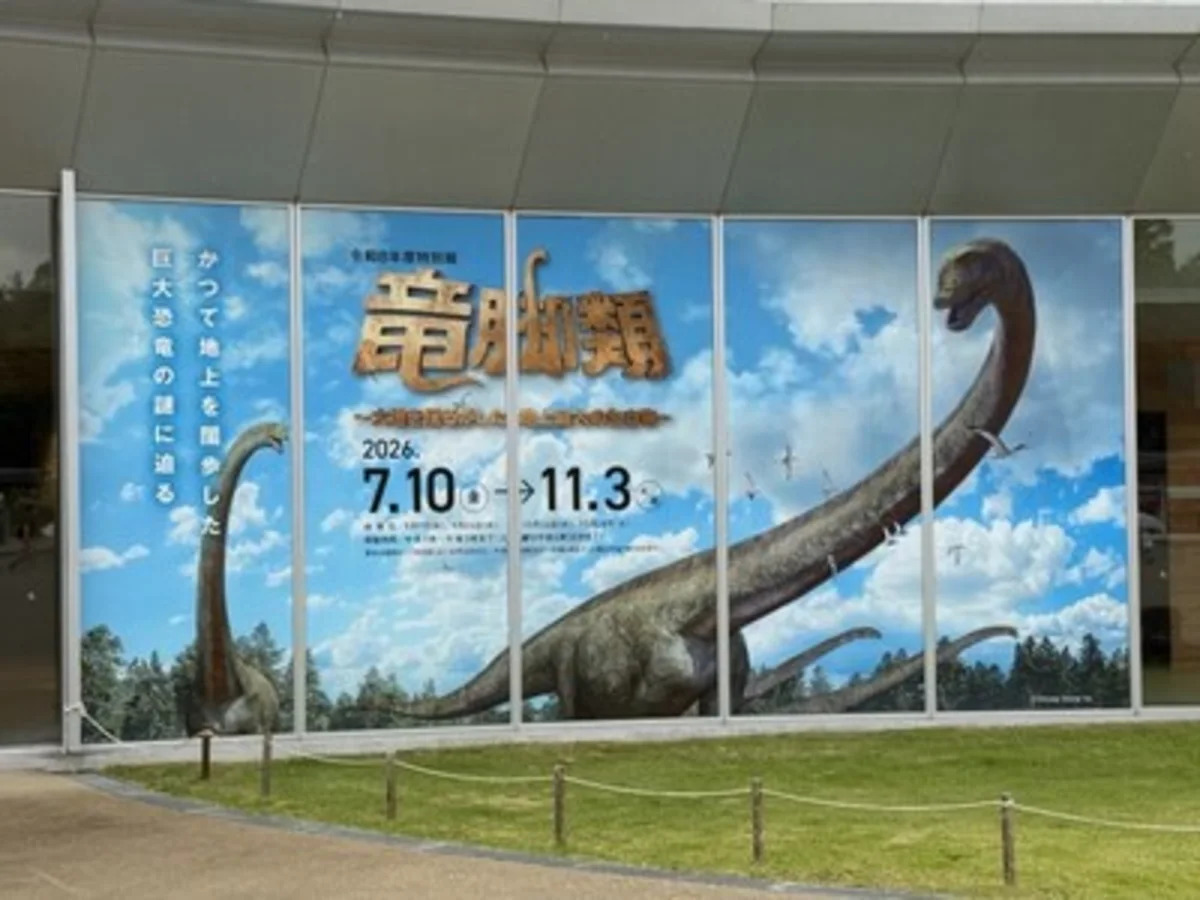
The Fukui Prefectural Dinosaur Museum in Katsuyama, Japan, has launched its headline special exhibition for 2026, putting sauropods — the largest animals ever to walk the Earth — front and center, according to PR Newswire. The show runs until November 3 and carries the Japanese title Ryūkyakurui: Daichi o Yurugashita Chijō Saidai no Ikimono, which translates to "Sauropods: The Largest Creatures Ever to Walk the Earth."
The exhibition explores how these prehistoric giants evolved and grew to their colossal size. It features fossils from Japan, China, and Spain, along with at least one world-first public display, making it a rare event for paleontology enthusiasts, Yahoo Finance reported.
A Chinese Sauropod Displayed Exactly as Excavated
The exhibition's centerpiece is a sauropod skeleton from China shown "in situ" — meaning the bones are arranged exactly as they were found in the ground, not rebuilt into a standing pose. This approach is unusual. Most museum displays reconstruct skeletons into dramatic poses. Showing bones in their original layout gives visitors a direct look at how fossils actually appear when scientists dig them up, according to PR Newswire.
The in-situ display preserves the spatial relationship between bones. That kind of arrangement helps researchers understand how an animal died and how its body settled over millions of years. It is both a scientific record and a striking visual centerpiece for the show.
World's First Public Display of Iniestapodus Footprint Fossil
One exhibit stands out globally. The museum is showing an Iniestapodus footprint fossil for the first time anywhere in the world, Yahoo Finance UK reported. Iniestapodus is a trace fossil — a footprint left behind by a sauropod rather than a bone. Trace fossils tell scientists where animals walked, how heavy they were, and how they moved.
Displaying this footprint publicly for the first time is a significant moment for paleontology. Visitors to Katsuyama can see evidence of a living, walking dinosaur — pressed into ancient mud and preserved for millions of years — before any other museum in the world has shown it.
Fossils from Three Countries Tell a Global Story
Beyond the headline pieces, the exhibition brings together sauropod fossils from Japan, China, and Spain. This international scope lets the museum show how sauropods spread across the globe and how different species evolved in different regions. Sauropods included the longest and heaviest land animals in Earth's history, with some species reaching over 30 meters in length, according to ADVFN.
Japan has its own sauropod fossil record, and the Fukui Prefectural Dinosaur Museum has been a leader in domestic dinosaur research for years. Including Japanese specimens alongside finds from China and Spain helps visitors see sauropods not as distant foreign creatures but as animals that once roamed the same islands they live on today.
Guided Tours and Researcher Lectures Add Depth
The museum is not just showing fossils — it is also running guided tours and lectures led by its own researchers, PR Newswire reported. Having scientists explain the exhibits directly is a rare opportunity for visitors. Most museum-goers read plaques. Here, they can ask questions to the people who study these animals for a living.
The exhibition runs until November 3, 2026, giving visitors several months to make the trip to Katsuyama. The Fukui Prefectural Dinosaur Museum is already one of the largest dinosaur museums in Asia. This special exhibition adds another reason to visit during its run this year.
Sentiment
NeutralNEGATIVENEUTRALPOSITIVE
Publishers
4
Articles
4
Reach
4
A
AnonymousAuthor


