US-Iran De-escalation
US Pauses Airstrikes on Iran as Diplomatic Talks Advance to Prevent Broader Conflict
Anonymous
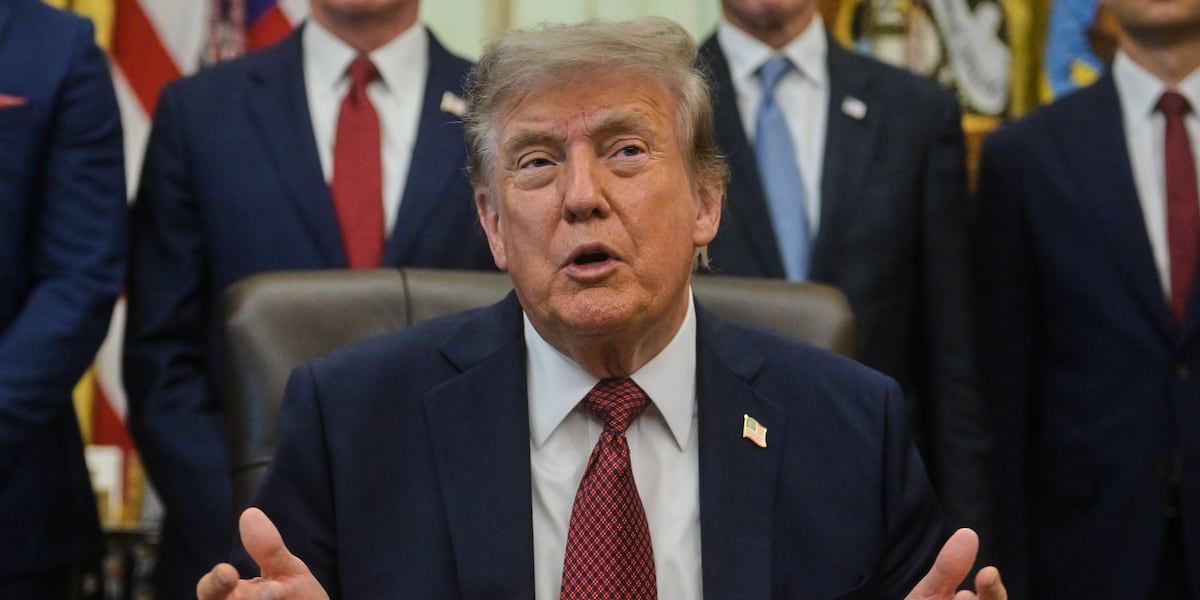
The U.S. military has paused its airstrikes on Iran after nearly two weeks of intense bombing, opening a narrow window for diplomacy to prevent a return to all-out war AP. The pause follows a July 8 restart of active strikes and comes as Pakistan-led negotiations push hard for a new ceasefire deal between Washington and Tehran.
The Strait of Hormuz — the waterway through which 20% of the world's oil normally flows — remains largely blocked following Iran's retaliatory closure kwtx.com. Oil shipments through the strait dropped 95% after Iran shut it down, sending energy prices sharply higher and adding pressure on both sides to find an exit from the conflict.
How Five Months of War Reached This Fragile Pause
The conflict began February 28 when the U.S. and Israel launched coordinated strikes under Operation Epic Fury, killing Supreme Leader Ayatollah Ali Khamenei in the opening hours wave3.com. Iran fired back with hundreds of ballistic missiles and drones at Israel, U.S. bases, and Gulf neighbors. The first six days of war alone cost the U.S. $11.3 billion.
A Pakistan-mediated ceasefire in April briefly quieted the fighting. But on July 8, President Trump declared that ceasefire over and restarted U.S. airstrikes kalb.com. By July 25, the U.S. had struck more than 13,000 targets across Iran since the war began. Now, with strikes paused again, both sides are back at the negotiating table.
Israel Steps Back — And Experts Are Reading the Signal
Israel co-launched the war on February 28 but has stayed out of the latest round of U.S. airstrikes. Michael Singh, managing director at the Washington Institute for Near East Policy, says that absence may be intentional fox8live.com. "The Iranians understand that perhaps it could get worse because Israel could come into the conflict," Singh said.
At the same time, Singh cautions that Israel's step back "may signal to the Iranians that we're looking to limit the conflict" wlox.com. Prime Minister Netanyahu is scheduled to meet Trump in Washington next week. That meeting could clarify whether Israel will re-enter the fight or help lock in a deal.
Rising Gas Prices Threaten Republicans Before Midterms
The economic toll of the war is hitting American households hard. The Strait of Hormuz blockade has driven a severe oil supply shock, pushing gas prices higher across the U.S. 1011now.com. A July poll found that 55% of Americans want the U.S. to halt attacks on Iran, and 65% want the war ended as fast as possible.
For Republicans, the timing is dangerous. November's midterm elections are approaching, and public support for the war is collapsing wbng.com. The share of Republican voters who favor continuing the war despite rising costs dropped from 46% to just 32% in July. Trump's approval rating has fallen from 27% in February to 15% now.
What a Deal Would Look Like — and Why It Might Fail
Both the U.S. and Iran say they want to return to an interim ceasefire deal, and Pakistan's Field Marshal Asim Munir is shuttling between Washington, Islamabad, and Tehran to keep talks alive kltv.com. Iran's Speaker Mohammad Bagher Ghalibaf is leading Tehran's delegation. A compromise is being drafted, but key details — including nuclear enrichment limits — remain unresolved.
The path to peace is narrow. Iran's IRGC warned on July 23 that British bases used by U.S. bombers would become "legitimate targets" if strikes resume wdam.com. And Iran still holds a powerful card: the Strait of Hormuz stays closed. As long as that chokepoint is shut, every day without a deal costs the global economy billions.
Sentiment
NeutralNEGATIVENEUTRALPOSITIVE
Publishers
34
Articles
34
Reach
34
A
AnonymousAuthor


