Presión en los mercados
La presión en la deuda y el petróleo descuelgan al Ibex 35
Anonymous
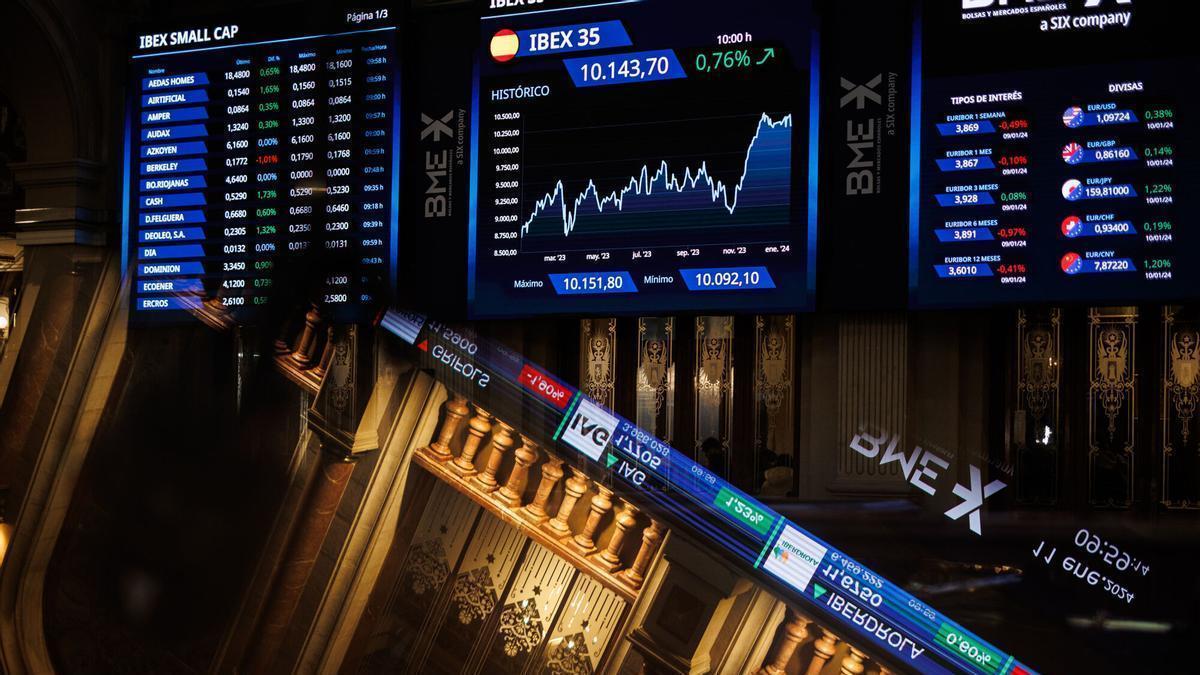
Spain's stock market stumbled as debt sales and rising interest rates weighed on investor confidence. The Ibex 35 index fell below the 19,600-point level, dragged down by higher borrowing costs and surging oil prices that climbed to $103 per barrel Spanish Media. The selloff reflected broader concerns about how central banks' rate hikes are dampening stock valuations across Europe.
Interest Rate Pressure Hits Stock Valuations
Higher interest rates make bonds and savings accounts more attractive compared to stocks. When companies can borrow money at steeper costs, their profits shrink and future earnings become less valuable Spanish Media. This dynamic has forced investors to rethink their stock positions and move cash into safer fixed-income investments instead.
Oil's Climb to $103 Adds to Market Stress
Crude oil prices surged past $103 per barrel, raising concerns about inflation and company operating costs Spanish Media. Higher energy prices squeeze profit margins for airlines, retailers, and transportation firms. This cost pressure convinced many traders to exit stock positions, accelerating the market decline across the region.
Debt Sales Overwhelm Buyer Demand
Increased government and corporate bond issuance has flooded markets with fresh debt Spanish Media. When new debt supplies grow faster than investor demand, prices fall and yields rise — making debt more expensive to service. This imbalance forced a broader rotation out of stocks as markets absorbed the new supply shock.
Spain's Market Lags Major European Indexes
The Ibex 35's weakness reflects Spain's exposure to cyclical sectors like energy and banking that suffer most when rates rise Spanish Media. Investors have shifted toward defensive plays and markets perceived as safer. Until bond market volatility eases and crude oil stabilizes, Spanish equities face continued headwinds.
Sentiment
NeutralNEGATIVENEUTRALPOSITIVE
Publishers
14
Articles
0
Reach
14
Topics
A
AnonymousAuthor


