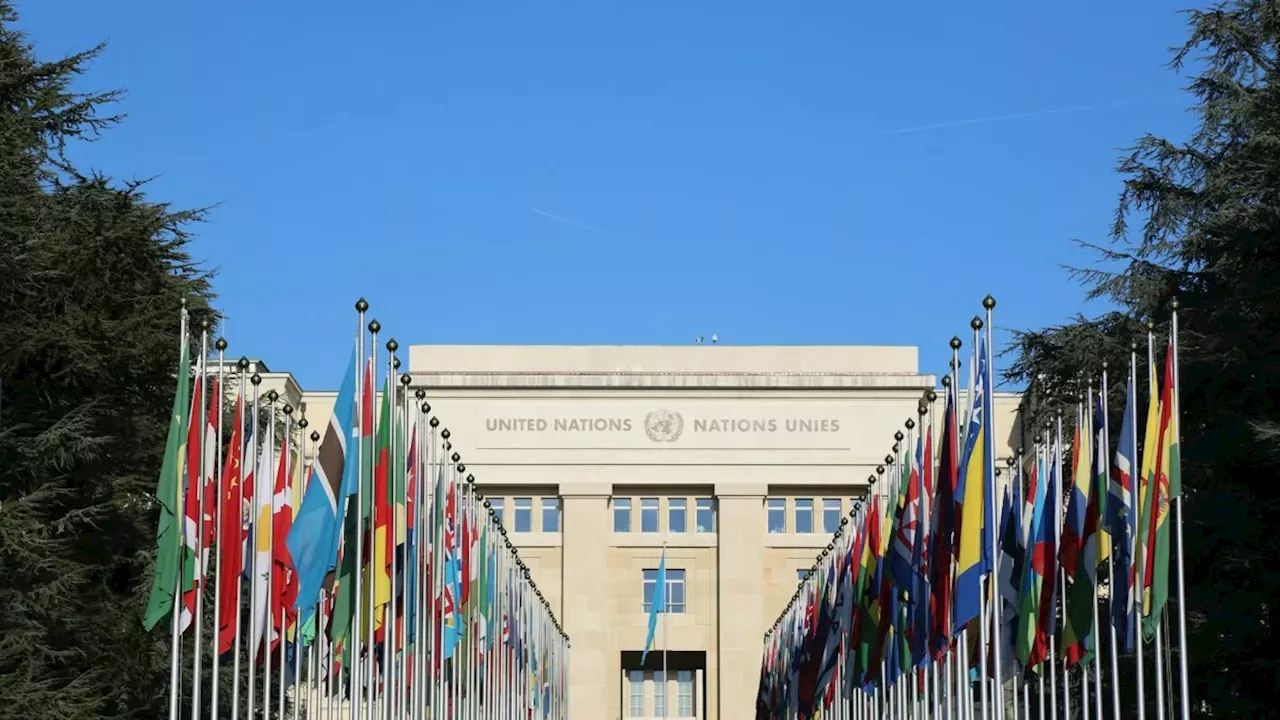
Límite de temperatura en 2030
Expertos advierten que el planeta alcanzará el límite de temperatura en 2030
Anonymous
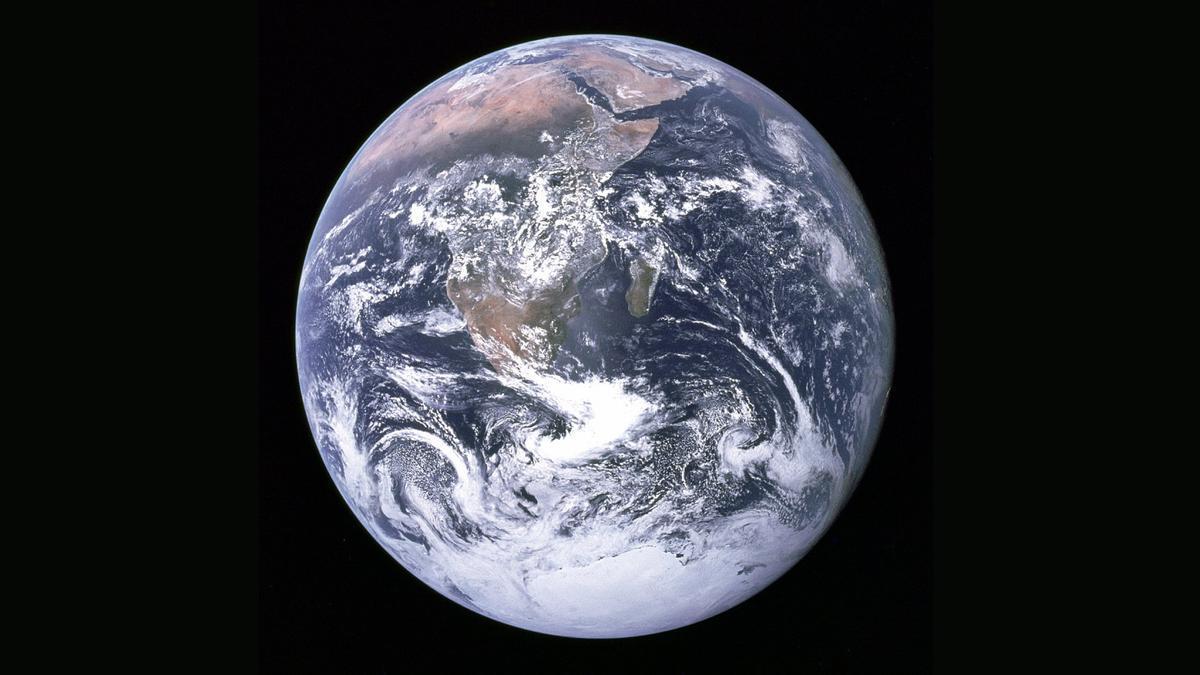
The planet will cross the critical 1.5°C warming threshold by 2030, according to climate experts who now view this milestone as inevitable. Información reports that while scientists see breaching the Paris Agreement's target as unavoidable, many believe the warming could still be reversed through aggressive climate action. The 1.5°C limit was set in the 2015 Paris Agreement as the maximum safe level before climate impacts become catastrophic.
The 1.5°C Threshold Approaches Faster Than Expected
Scientists have shifted from debating if we'll hit 1.5°C to accepting when we will. El Periódico confirms that 2030 marks the year the planet reaches this critical temperature rise. This represents a major shift in climate forecasts made just five years ago.
The warming is driven by rising greenhouse gas emissions, deforestation, and industrial activity. Each year without serious emissions cuts pushes the crossing point closer. Experts agree the trend will continue unless nations dramatically reduce carbon output.
Why the Paris Agreement Target Matters So Much
The 1.5°C limit was chosen for a reason: beyond this point, climate scientists warn of tipping points. El Periódico de Aragón notes that breaching this threshold triggers severe impacts. These include faster ice sheet collapse, increased extreme weather, and ecosystem collapse.
At 2°C of warming — the Paris Agreement's secondary target — risks become much worse. Rising seas threaten coastal cities. Heat waves kill vulnerable populations. Crops fail in key farming regions. Scientists emphasized that even 0.5°C makes an enormous difference.
Hope Remains That Warming Can Be Reversed
Despite the grim timeline, experts remain optimistic. La Opinión de Málaga reports that climate scientists believe crossing 1.5°C does not mean permanent damage. The warming could be reversed through massive emissions reductions and carbon removal technology.
Reversing warming requires two strategies: stop adding greenhouse gases and actively remove carbon already in the air. Renewable energy, electric vehicles, and forest protection are key. Carbon capture technology, while expensive, is improving. The window for action remains open — but it is closing fast.
What Nations Must Do Starting Today
The 2030 crossing point should act as a wake-up call to governments. La Opinión de Murcia emphasizes that the next five to six years are crucial. Countries must accelerate their climate commitments far beyond current pledges. Half-measures will not prevent hitting 1.5°C.
Action must span energy, transport, agriculture, and industry. Solar and wind power need to scale globally. Fossil fuels must be phased out rapidly. Reforestation and wetland restoration must expand. La Provincia notes that individual countries, companies, and people all have roles to play.
Sentiment
NeutralNEGATIVENEUTRALPOSITIVE
Publishers
13
Articles
0
Reach
13
A
AnonymousAuthor