Descarbonización marítima hasta 2050
La Organización Marítima Internacional mantiene su compromiso de descarbonización para 2050
Anonymous
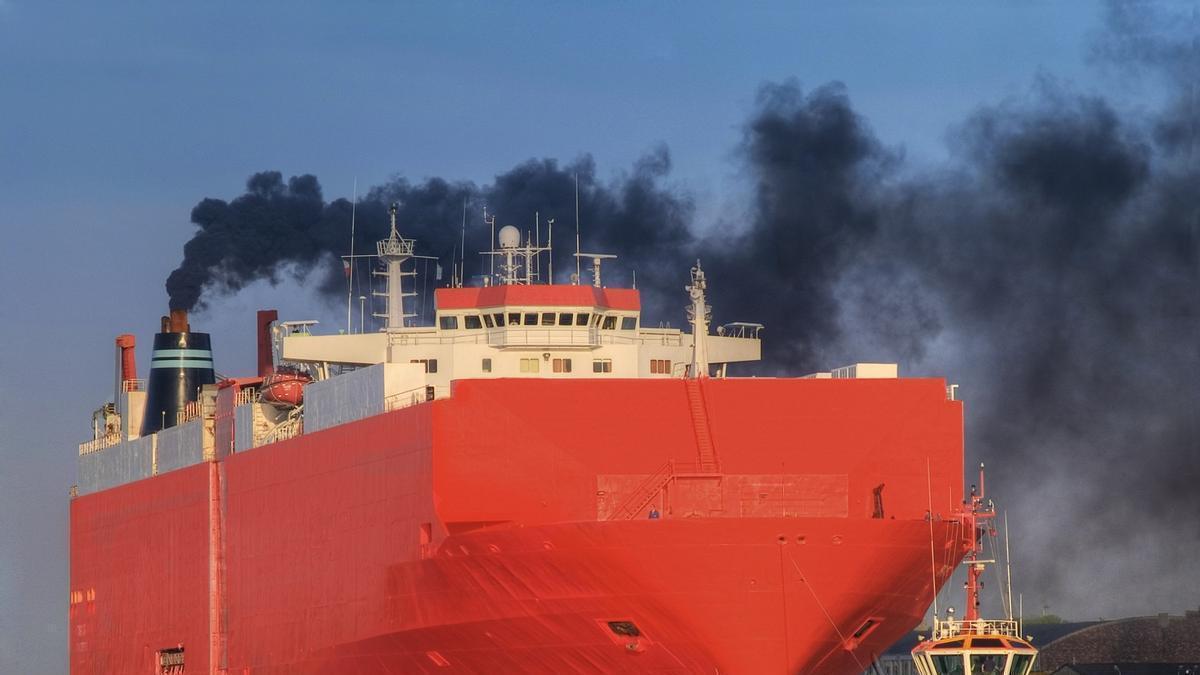
The International Maritime Organization (IMO) has defended its commitment to eliminate carbon emissions from large ships by 2050, rejecting pressure from several nations to weaken the agreement. The deal, reached last year, is set to take effect this December according to El Día.
A coalition of countries pushed to dilute the climate accord before its implementation. The IMO's decision keeps the original targets intact and marks a significant win for environmental regulation in the shipping industry.
Global Shipping Faces Decarbonization Deadline
The IMO's 2050 carbon neutrality goal applies to large ocean-going vessels that carry global cargo and passengers. This represents one of the most ambitious climate commitments for any industrial sector, according to Información. Ships currently produce about 3 percent of global greenhouse gas emissions.
Countries Attempt Last-Minute Challenge
Multiple nations sought to weaken the agreement during recent negotiations, Diario de Ibiza reports. These countries argued the targets were too strict or could harm their shipping industries. Their efforts failed, and the IMO held firm on the original commitments.
December Implementation Moves Forward
The policy takes effect this December as originally scheduled, El Periódico de Aragón confirms. Shipping companies now have certainty about the regulatory framework and can plan their transition to cleaner fuels and technologies. Compliance will be tracked and enforced globally.
What This Means for the Shipping Industry
The agreement forces shipbuilders and operators to invest in zero-carbon technologies, La Opinión de Coruña notes. These include hydrogen engines, ammonia-powered systems, and improved energy efficiency. The transition will reshape maritime transport over the next 26 years and push innovation in clean energy.
Sentiment
NeutralNEGATIVENEUTRALPOSITIVE
Publishers
12
Articles
0
Reach
12
Topics
A
AnonymousAuthor


