Pink Corridor Nuclear Shipping Study Plans Transatlantic Route
Pink Corridor Nuclear Shipping Study Plans Transatlantic Route
Anonymous
Key Points
1
Port of Felixstowe is the United Kingdom's largest container port, highlighting its central role in the Pink Corridor discussions.
2
The Pink Corridor initiative includes involvement from Charleston and Felixstowe as major ports on the US-UK stretch, signaling broader cross-border port collaboration beyond the two lead organizations.
3
U.S. MARAD has signed agreements with the ports of Long Beach and Corpus Christi to explore integrating small modular reactors into ships, terminals, and the wider marine transportation system.
4
MARAD also inked a memorandum of cooperation with CORE POWER, a UK-founded nuclear technology company, to accelerate the development of a US-flagged fleet of nuclear-powered merchant ships, with first construction targeted around 2028.
5
Scorpio Tankers has invested about $10 million earlier this year in US reactor development as part of the broader push toward nuclear propulsion for commercial shipping.
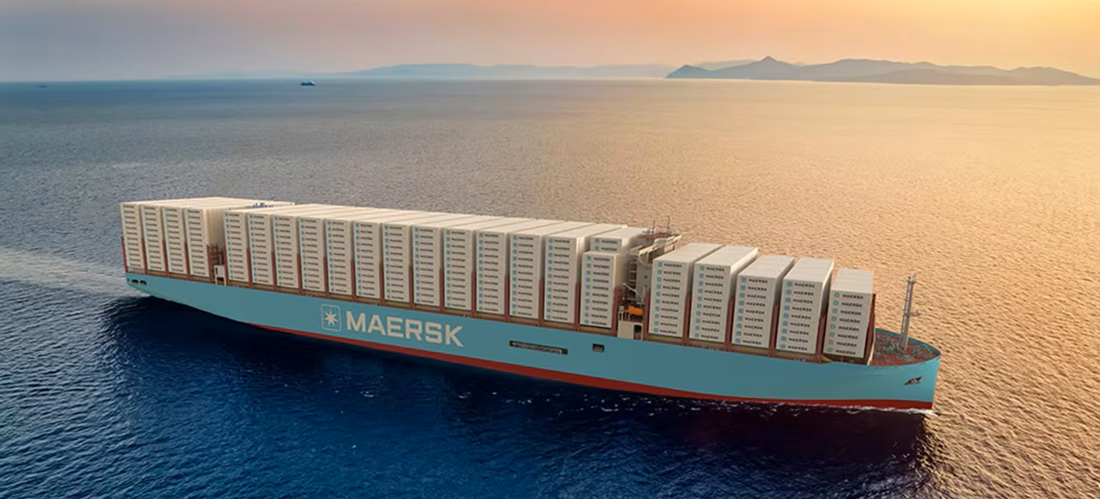
Lloyd's Register, Maersk, and two major ports announced a major push into nuclear shipping. The "Pink Corridor" project will study what's needed to run nuclear-powered container ships across the Atlantic between the US and UK DataMar News. The goal is clear: figure out the safety, security, and regulatory rules before any real nuclear ships sail the route.
This effort ties directly to a US-UK Technology Prosperity Deal. It examines ship security, cyber attacks, emergency response, insurance, and how maritime and nuclear regulators can work together GCaptain. The initiative signals growing government and industry confidence in nuclear propulsion for cargo ships as a path to cleaner ocean trade.
What the Pink Corridor Actually Covers
The Pink Corridor is not a real shipping route—not yet. Instead, it's a detailed study examining what would happen if a nuclear container ship sailed between Charleston and Felixstowe Marine Insight. Researchers will map out operational needs, security protocols, cyber resilience standards, and emergency response plans. They'll also identify gaps in current maritime law and nuclear regulation that would need fixing.
Port of Felixstowe is the UK's largest container port. Charleston sits on the US east coast as a major gateway. Both ports anchor this transatlantic corridor concept SMI Digital. The study pulls together classification societies, port authorities, and shipping companies to build a shared understanding of what nuclear propulsion demands before anyone builds a real ship.
US Government Racing Ahead on Nuclear Fleet Plans
While the Pink Corridor studies future rules, US officials are already moving faster. MARAD—the Maritime Administration—signed agreements with Long Beach and Corpus Christi ports to explore small modular reactors for ships and terminals GCaptain. The agency also inked a cooperation deal with CORE POWER, a UK nuclear company, to accelerate building a US-flagged fleet of nuclear merchant ships. First construction is targeted around 2028.
Private money is flowing into the push. Scorpio Tankers invested about $10 million this year in US reactor development for commercial shipping GCaptain. These parallel efforts—the Pink Corridor study plus government deals and private investment—show nuclear propulsion is transitioning from theory to actual planning across the Atlantic.
Why Nuclear Matters for Shipping's Future
Container ships burn massive amounts of fuel oil. Nuclear reactors produce zero emissions and can run for years without refueling. For an industry under pressure to cut carbon, nuclear propulsion is attractive NucNet. The Pink Corridor and related projects aim to turn that possibility into reality by solving the hard questions: security, safety, insurance, and regulation.
The convergence is striking: government agencies, classification societies like Lloyd's Register, major shipping lines like Maersk, and ports all moving in the same direction NucNet. The Pink Corridor exists to fill knowledge gaps before the first nuclear containership hits the water. It's not a prediction—it's preparation.
Sentiment
Mostly PositiveNEGATIVENEUTRALPOSITIVE
Publishers
14
Articles
11
Reach
25
Topics
A
AnonymousAuthor


