Iranian Hardliners Desired Trump Attack
Israel Shared Intelligence on Iranian Hardliners' Desire to Target Trump, Not Specific Plan
Anonymous
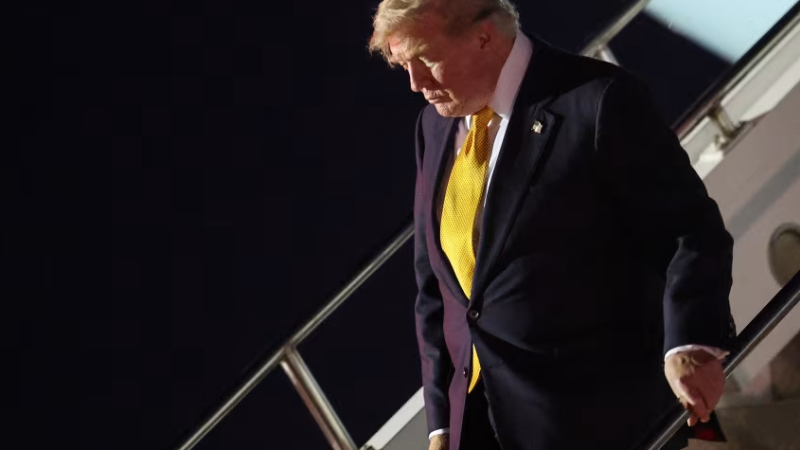
Israeli intelligence shared with the Trump administration about Iranian assassination threats against President Donald Trump reflected the *desire* of certain Iranian hardline factions to attack him — not a specific, detailed plot, according to CNN. A source familiar with Israeli intelligence and a U.S. official both confirmed this distinction, raising questions about how the information was framed and why it was shared.
The revelation adds a new layer to an already tense diplomatic moment. Israeli Prime Minister Benjamin Netanyahu is actively trying to shape U.S. decisions about the Iran conflict, and the intelligence sharing appears tied to that broader effort, according to CNN.
Desire, Not a Plot: What Israel Actually Shared
The intelligence Israel passed to Washington described a *wish* among hardline Iranian factions to kill Trump — not an operational plan. There was no specific target date, no identified attacker, and no confirmed chain of command behind the threat, according to CNN. That is a key difference between a credible plot and a general hostile intent.
A U.S. official confirmed the assessment to CNN, saying the threat reflected sentiment inside certain circles in Tehran rather than an active conspiracy. Iran's hardline factions have long expressed hostility toward Trump, who ordered the 2020 killing of General Qasem Soleimani.
Netanyahu's Push to Shape U.S. War Decisions
Israel's decision to share this intelligence is not happening in a vacuum. Netanyahu is working to influence how the Trump administration handles the ongoing conflict with Iran, according to CNN. Sharing threat intelligence is one tool countries use to build political closeness and steer allies toward preferred policies.
By highlighting Iranian threats against Trump personally, Israel may be reinforcing the case for a harder U.S. stance toward Tehran. The timing matters: it comes as the U.S. and Iran are reportedly engaged in indirect nuclear talks, according to CNN.
Iran's Hardliners and the Long Shadow of Soleimani
Iran's hardline factions have openly called for revenge against Trump since the U.S. drone strike killed Soleimani in Baghdad in January 2020. That attack removed one of Iran's most powerful military figures. Iranian officials have publicly vowed retaliation for years, but no confirmed attack on Trump has materialized.
The distinction between *wanting* to do something and *planning* to do it is critical in intelligence work. Analysts call the first type of signal "intent without capability or specificity." Acting on it as if it were a confirmed plot can distort policy decisions, according to CNN.
What This Means for U.S.-Iran Diplomacy
The intelligence sharing puts the Trump administration in a delicate spot. Treating the threat as a serious plot could justify escalation. Dismissing it risks looking weak on security. The White House has not publicly commented on the specific intelligence described by CNN.
Meanwhile, U.S.-Iran relations remain at a breaking point. Any intelligence — even one describing a desire rather than a plan — can shift the political atmosphere in Washington quickly. How the Trump team chooses to use this information may say more about policy direction than the intelligence itself does, according to CNN.
Sentiment
NeutralNEGATIVENEUTRALPOSITIVE
Publishers
4
Articles
2
Reach
4
A
AnonymousAuthor


