Voter Citizenship Verification
Should the federal government require citizenship verification before issuing mail-in ballots?
Anonymous
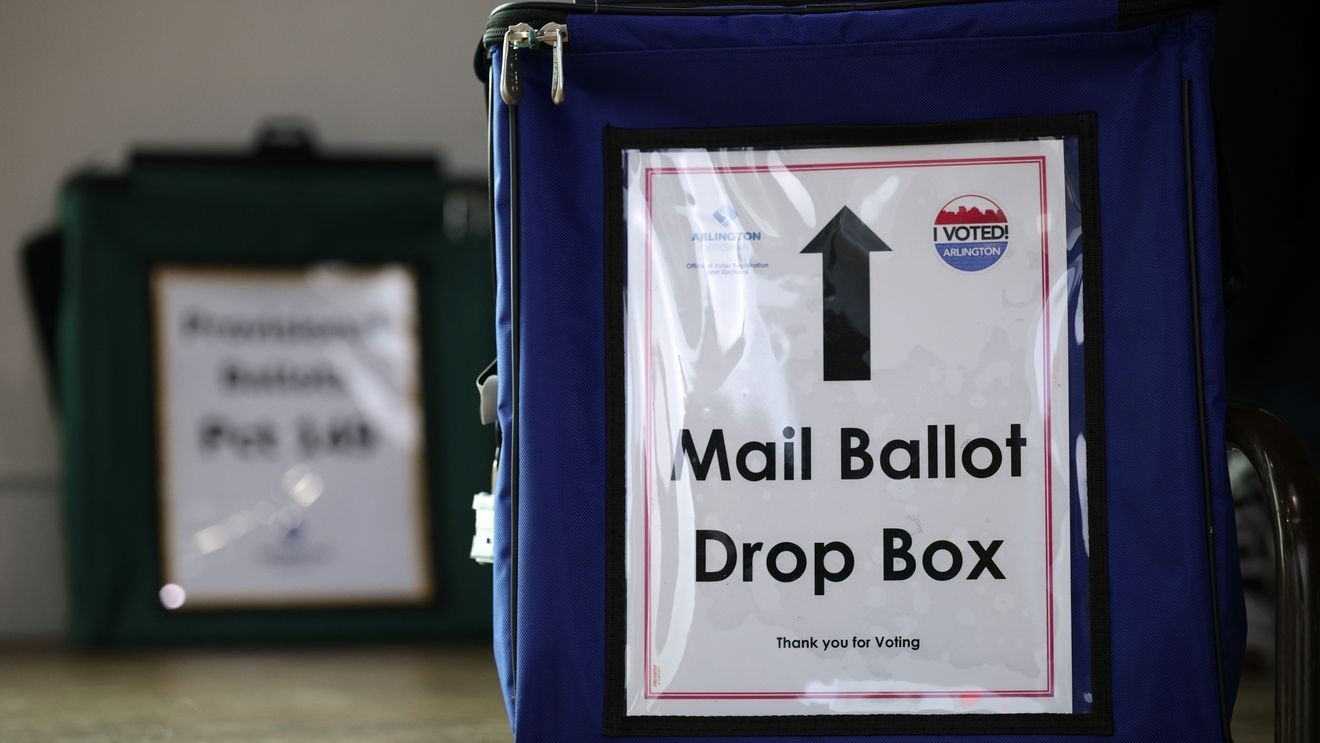
Across the United States, news stations are asking voters a key question: Should the federal government require citizenship verification before sending mail-in ballots? News3LV and WGME are putting this voting access question directly to the public. The debate centers on balancing election security with voting accessibility.
The Core Question: Citizenship Proof at the Ballot Box
Mail-in voting has grown significantly across the country. This expansion raises questions about how states verify voters' eligibility. Supporters of citizenship verification argue it protects election integrity. Opponents worry it could slow down voting or block eligible voters from participating.
Why Election Security Matters to Voters
Election security is a top concern for many Americans. Citizenship verification before sending ballots could prevent non-citizens from voting. However, critics note that non-citizen voting is extremely rare in practice. They argue new rules could create unnecessary barriers without solving a major problem.
How States Currently Handle Mail-In Voting
States already require voter registration, which includes citizenship checks. When you register to vote, you must prove you are a U.S. citizen. Mail-in ballot processes vary by state. Some states verify citizenship when ballots are mailed. Others verify at the point of registration only.
The Tension Between Access and Security
Adding extra verification steps could make voting harder for some people. Elderly voters, people with disabilities, and busy workers rely on mail-in voting. Requiring additional citizenship proof might create delays or paperwork problems. Election officials must balance security concerns with keeping voting accessible to all eligible citizens.
Sentiment
NeutralNEGATIVENEUTRALPOSITIVE
Publishers
10
Articles
9
Reach
10
A
AnonymousAuthor


