Rutas petroleras alternativas
El Golfo busca nuevas rutas para su petróleo ante la inestabilidad estratégica
Anonymous
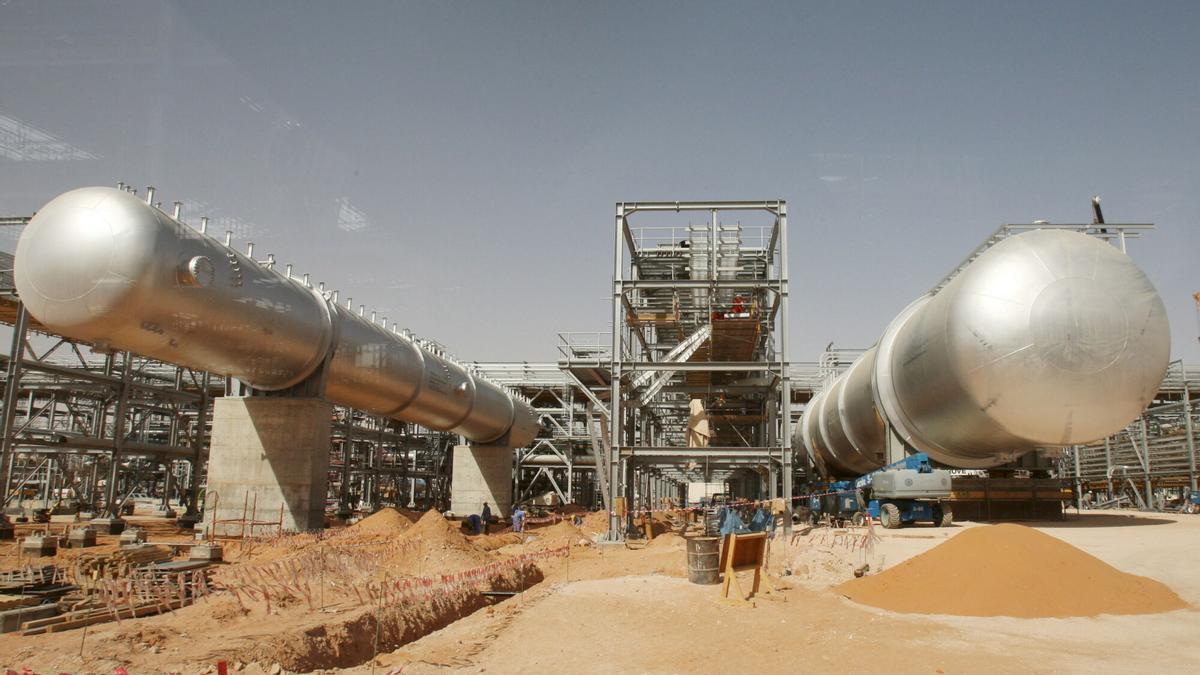
Middle East oil producers face a critical squeeze as two key shipping chokepoints — the Strait of Hormuz and Bab el-Mandeb — grow increasingly unstable. The region is scrambling to find alternate routes for crude exports, but Informacion warns that each new path carries its own dangers and limitations.
About one-third of the world's seaborne oil passes through these two narrow straits. Blockades or attacks at either point can spike global prices within hours. Major Gulf producers now face a race against time to secure alternative shipping lanes before instability spreads further.
Two Critical Chokepoints Under Pressure
The Strait of Hormuz, between Iran and Oman, handles roughly 21% of global oil trade. Just 33 miles wide at its narrowest point, it remains the world's most important energy corridor. Bab el-Mandeb, between Yemen and Africa, is even tighter — just 18 miles across — yet carries massive tanker traffic headed to the Suez Canal and Europe.
Recent tensions have disrupted normal flows. El Correo Web reports that attacks and blockade threats have forced shipping companies to reroute vessels, adding weeks to journey times and raising costs. Producers can no longer rely on these traditional pathways alone.
New Routes Trade One Risk for Another
Gulf exporters are exploring longer routes around Africa's Cape of Good Hope and via Russia's Arctic passages. These alternatives avoid the chokepoints but add 10,000 to 15,000 miles per voyage. According to Diario de Ibiza, voyage times jump from 20 days to 40+ days, raising shipping costs and reducing profit margins.
Inland pipelines to the Red Sea offer another escape. La Opinion de Coruna notes that Saudi Arabia and the UAE are upgrading pipeline capacity to bypass maritime routes entirely. Yet these projects require years to complete and still face political uncertainty in transit countries.
Limited Options Force Risky Gambles
Experts warn that no single solution can replace the Strait of Hormuz. El Correo Gallego cautions that Arctic routes remain ice-bound half the year. African routes depend on stable governments and peaceful waters. Pipeline projects face funding delays and political obstacles.
Diario de Cordoba reports that oil producers must now accept higher costs and slower delivery. Some are even considering smaller, costlier shipments on secondary tankers. The region's energy security now rests on spreading exports across multiple fragile paths — a far less efficient system than the old chokepoint routes.
Global Markets Brace for Lasting Supply Shocks
As long as both chokepoints remain disputed, global oil prices face upward pressure. LNE warns that even temporary blockades can spike prices 10-20% within days. Refineries worldwide are building stockpiles to hedge against sudden cutoffs.
El Periodico de Aragon concludes that the Middle East's oil export crisis is not a temporary hiccup but a structural problem. Until regional tensions ease, producers and consumers alike must budget for higher energy costs and longer supply chains.
Sentiment
NeutralNEGATIVENEUTRALPOSITIVE
Publishers
12
Articles
0
Reach
12
Topics
A
AnonymousAuthor


