Witness Released From Detention
Judge Orders Release of Second Witness in Fatal Texas Immigration Shooting
Anonymous
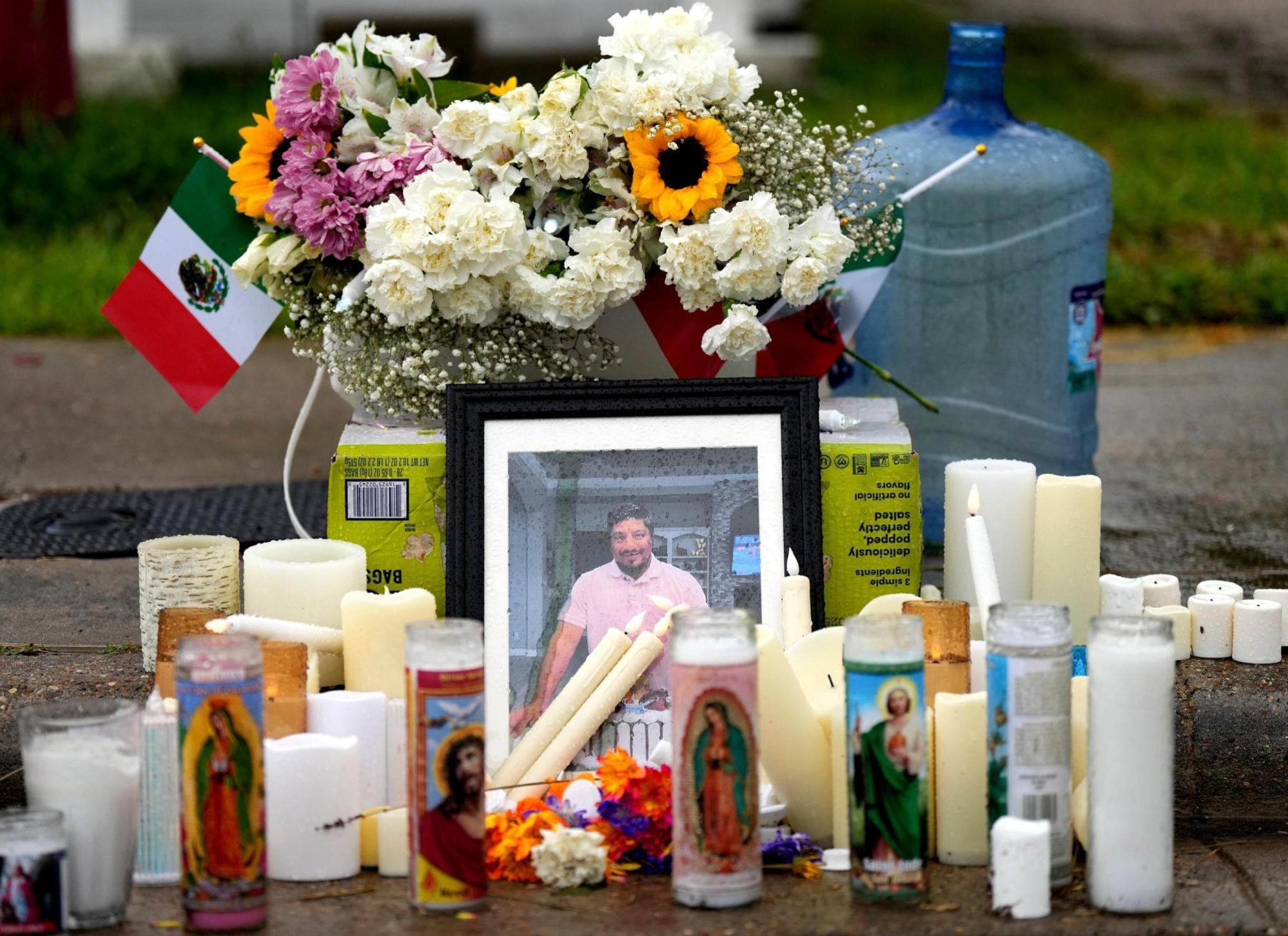
A second witness to a fatal shooting by a federal immigration agent in Houston has been ordered released from detention after more than a month behind bars. San Diego Union-Tribune reports that Daniel Tirado Pantoja, one of three passengers in a work van, was freed by U.S. District Judge Alfred Bennett after the judge found he posed no danger to the community and had no criminal record.
Tirado was present on July 7 when the van's driver, Lorenzo Salgado Araujo, a Mexican national who ran a homebuilding business, was shot by a federal agent. The Department of Homeland Security claimed Salgado Araujo had weaponized his vehicle. But witnesses like Tirado and passenger Jose Trinidad Rojas Pliego have challenged the government's account of what happened that day.
Why a Witness Spent Over a Month in Detention
Tirado Pantoja was detained shortly after the July 7 shooting. Federal authorities held him as a witness to the incident. San Diego Union-Tribune notes that his release came only after Judge Bennett reviewed the case and determined he should not remain locked up.
The judge's decision hinged on key facts. Tirado had no prior criminal record. He was not accused of any crime himself. And prosecutors offered no evidence that he posed a flight risk or danger to the community, which are the main reasons courts keep people detained before trial.
Witnesses Dispute Federal Account of the Shooting
The government's story differs sharply from what Tirado and other witnesses say. The Department of Homeland Security argued that Salgado Araujo weaponized his vehicle and forced the officer to act in self-defense. But passengers in the van dispute this version of events.
Tirado's release may strengthen the case that contradicts federal claims. When judges find that detention is improper, it often signals doubt about government arguments. His freedom to speak publicly could amplify questions about what really happened during that encounter in July.
Pattern of Witness Detentions Under Challenge
Tirado's case is not isolated. Sun-Sentinel reported that federal agencies have detained multiple witnesses to controversial shootings. These detentions often last weeks or months, preventing witnesses from discussing what they saw with lawyers, family, or the press.
Judges are increasingly skeptical of such holds. When no criminal charges are filed and witnesses have ties to the community, courts often order their release. Tirado's freedom sends a message that detention must meet a high legal bar, not simply serve as a tool to control the narrative.
Sentiment
NeutralNEGATIVENEUTRALPOSITIVE
Publishers
13
Articles
13
Reach
13
A
AnonymousAuthor


