AI Data Center Opposition
Communities across the country push back against rapid AI data center expansion
Anonymous
Key Points
1
President Donald Trump described data centers as “the oil of the next 20–25 years,” while Nvidia CEO Jensen Huang said about $400 billion in venture financing had flowed into AI companies over the previous six months, linking the buildout to an expected U.S. industrial resurgence.
2
The scale of electricity demand could be substantially larger than many local debates suggest: a single large AI data center can use as much electricity as 100,000 homes, and the World Resources Institute estimates data centers could account for up to 12% of U.S. electricity consumption by 2028.
3
Philadelphia currently has no local zoning laws or regulations specifically governing data-center development, despite Pennsylvania Gov. Josh Shapiro’s executive order aimed at mitigating the facilities’ impacts. About 100 protesters therefore urged city officials to establish rules before approving projects.
4
The Pennsylvania Public Utility Commission commissioned an independent report warning that electricity demand from large data centers could contribute to brownouts or blackouts, adding grid reliability to residents’ concerns about pollution, water use and noise.
5
Mandan residents are pursuing two separate ballot petitions: one would ban large-scale AI data centers in the city, while the other would trigger a special election to fill the vacant city commission seat left by Craig Sjoberg.
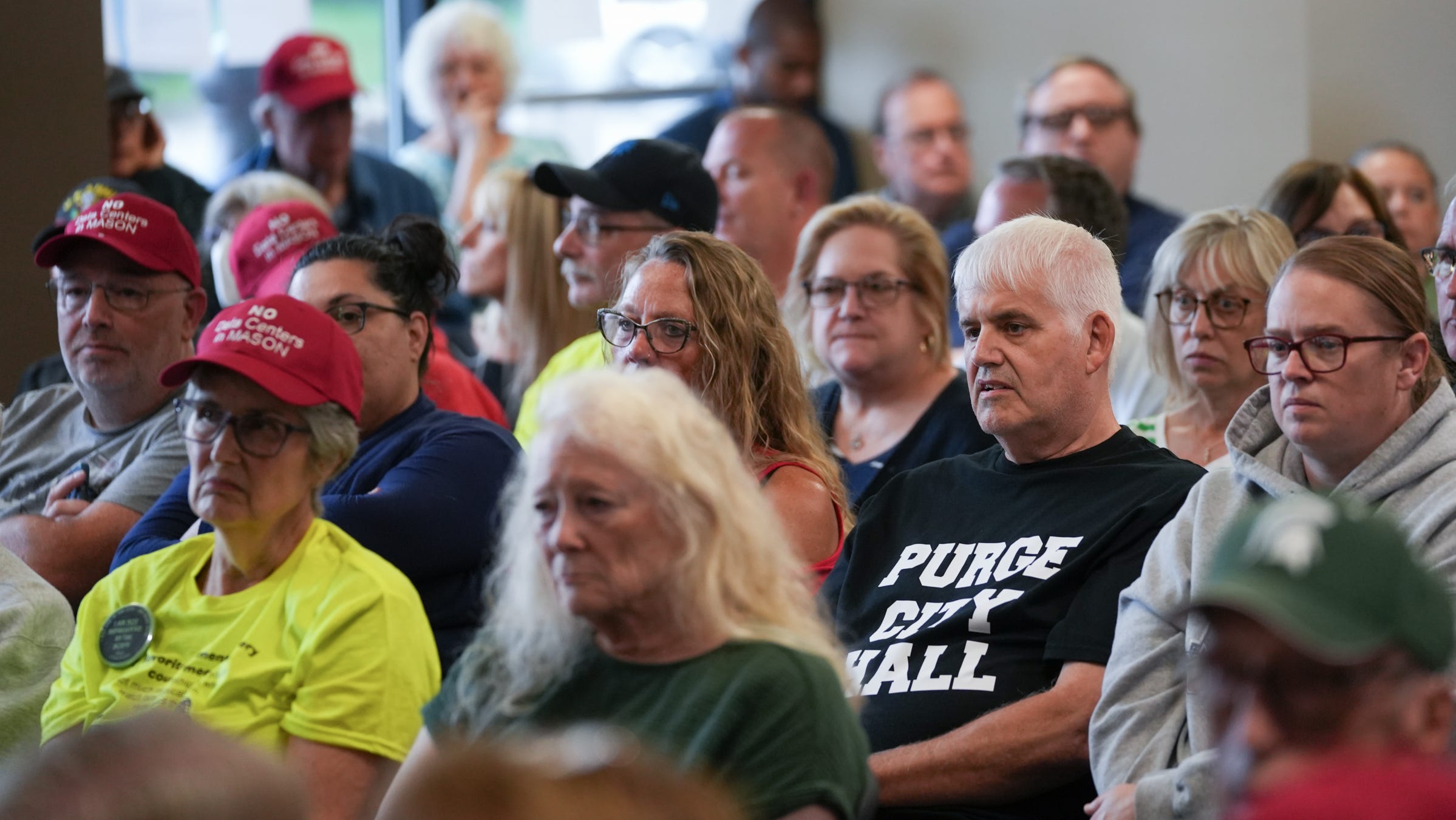
President Trump called AI data centers "the oil of the next 20–25 years," but opposition is surging across the country. Gallup found 71% of Americans oppose local data center construction, up from just 26% a year ago. Major cities including Oakland, Philadelphia, and Mandan, North Dakota are now weighing moratoriums or bans as residents raise alarm over massive electricity demand, water use, and grid reliability.
A single large AI data center can gulp as much electricity as 100,000 homes. World Resources Institute estimates data centers could eat up 12% of all U.S. electricity by 2028. Pennsylvania Public Utility Commission warned that rising demand could trigger blackouts, with one analysis projecting grid failure risks 6 times higher than safety standards allow by 2030.
Trump and Tech Leaders Push Buildout as Economic Engine
The White House and Silicon Valley see AI data centers as critical to American competitiveness. Trump called them "the oil of the next 20–25 years." Nvidia CEO Jensen Huang noted that roughly $400 billion in venture capital flowed into AI firms over six months, fueling the infrastructure push. Proponents argue projects will create jobs, expand tax bases, and keep AI development anchored in the U.S. rather than overseas.
Philadelphia and Oakland Residents Demand Rules Before Approval
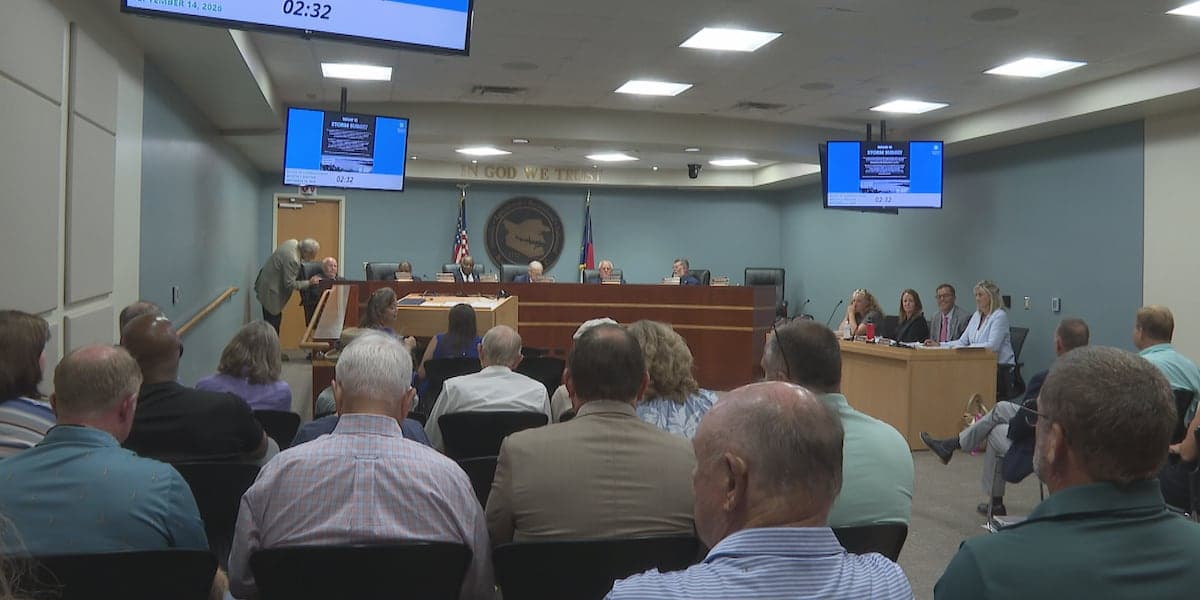
Philadelphia has no zoning laws or regulations specifically governing data centers, despite the state governor's executive order calling for impact safeguards. Over 100 protesters rallied outside City Hall urging officials to establish rules before approving projects. Oakland is facing pressure too: Behring Companies proposed converting a downtown building into a 20,000-square-foot AI data center, spurring a city councilmember to introduce a 45-day pause on new approvals.
In London's Brick Lane, residents oppose a data center planned in a former brewery redevelopment, citing threats to cultural heritage and loss of social housing. A facility near an elementary school in Irvington sparked health and enrollment concerns. The common refrain: local leaders should shape decisions, not rubber-stamp proposals from outside corporations.
Mandan Ballots Push for Outright Ban and Political Change
In Mandan, North Dakota, residents are pursuing two ballot measures. One would ban large-scale AI data centers in the city. The other would force a special election to fill a vacant city commission seat, signaling voter anger at local leadership. The initiatives came after residents organized opposition forums in August and submitted formal petitions to city officials.
Grid Emergency Warnings Shift Debate From Noise to Blackouts
The Pennsylvania Public Utility Commission released an independent report warning that electricity demand from large data centers could trigger brownouts or blackouts. Pennsylvania PUC Chair Steve DeFrank stated: "That growth cannot come at the expense of families and businesses that depend on reliable and affordable electric service." The analysis projects grid failure risks 6 times higher than planning standards by 2030, with worst-case scenarios creating 13 blackout days per year.
Synapse Energy Economics warned that regional grids across 13 states face winter brownout risks unless new power plants match data center buildout. Residential electricity bills could spike 12% to 16% to cover grid upgrades. This shifted the debate from local pollution concerns to whether residents should subsidize a private industry's infrastructure costs.
Sentiment
Mostly NegativeNEGATIVENEUTRALPOSITIVE
Publishers
42
Articles
17
Reach
59
A
AnonymousAuthor