AI Infrastructure Growth
Data-Center Boom Drives Multibillion-Dollar AI Investments While Stoking Severe Community Concerns
Anonymous

Key Points
1
The United Kingdom has more than 1.8 gigawatts of existing data-center power capacity, with VIRTUS Data Centres, Equinix, Digital Realty, Ark Data Centres and Vantage Data Centers among its major operators.
2
Industry panelists argued that the AI infrastructure boom is not a bubble, describing data centers as foundational technology infrastructure even as companies pursue multibillion-dollar transactions and retrofit former cryptocurrency-mining sites.
3
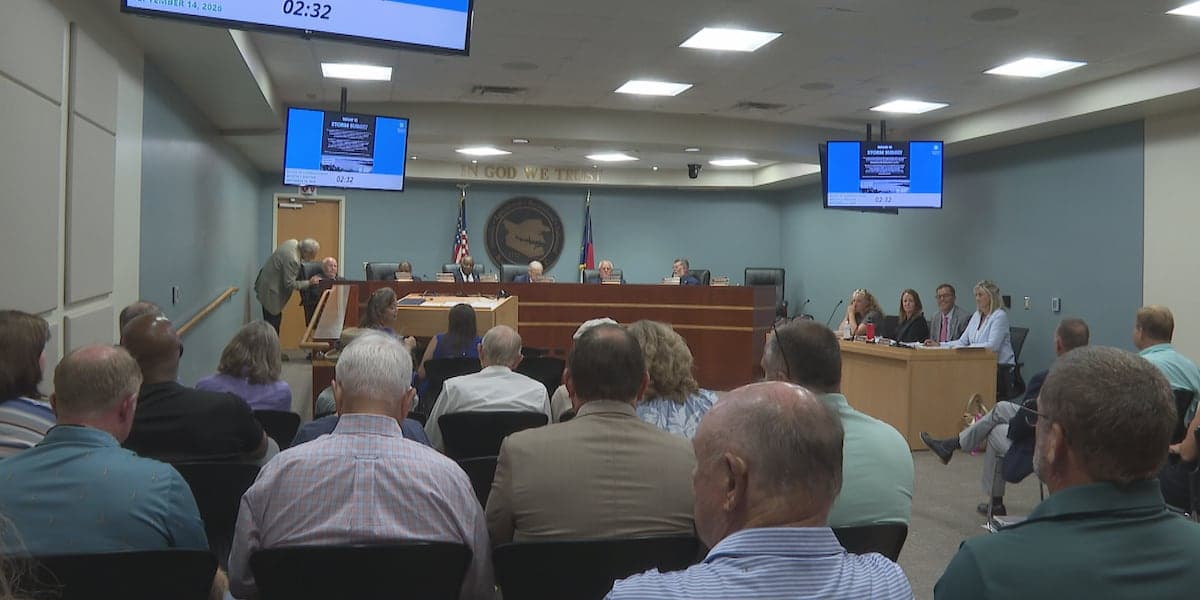
The proposed Maryland campus is expected to generate about $215 million in annual property taxes once completed—roughly a 40% increase in Frederick County tax revenue—and could host Amazon and Aligned data centers if approved.
4
In Vineland, New Jersey, Nebius has a five-year agreement worth up to $19.4 billion to provide Microsoft with Nvidia-based computing capacity for large-language-model development and an AI assistant; meeting the contract’s requirements would consume at least 300 megawatts, nearly twice the generating capacity of the entire city.
5
Vineland residents described persistent mechanical noise from New Jersey’s largest data center, including windows vibrating and a loud “wailing” sound, illustrating the quality-of-life concerns accompanying rapid AI infrastructure development.
Europe's data-center boom is reshaping regional power grids and communities as artificial intelligence drives billions into infrastructure. The continent now operates 1,477 data centers with 565 more planned, according to DataCentre Magazine, while companies like Brookfield Infrastructure Partners report over $1 billion in 2025 data-segment revenue after adding 220 megawatts of capacity. Yet rapid expansion is triggering fierce local pushback: residents in New Jersey report persistent mechanical noise and window vibrations, while communities across Utah and New Jersey demand greater transparency about electricity consumption, water use, and economic disruption.
Developers are now offering major incentives to win community approval. A proposed Maryland campus would generate roughly $215 million in annual property taxes—a 40% increase in Frederick County revenue—while providing $110 million in local benefits including school renovations, workforce training, and water conservation. Jessica Fitzwater, Frederick County Executive, called it "good, responsive government." But skepticism remains. Matt Williams, Chairman of Sustain South Jersey, accused Microsoft's contractors of showing "blatant disregard for the well-being of our community."
The AI Computing Infrastructure Boom Reshapes Europe
The United Kingdom leads European data-center capacity with over 1.8 gigawatts, operated by companies including VIRTUS Data Centres, Equinix, Digital Realty, Ark Data Centres, and Vantage Data Centers. DataCentre Magazine reports that Germany, France, and the Netherlands follow close behind, while Nordic nations are driving much of the expansion pipeline. Industry panelists argue the surge reflects genuine structural demand, not a bubble, as companies pursue multibillion-dollar transactions and retrofit former cryptocurrency-mining sites.
Financing strategies are evolving rapidly. Developers are arranging senior debt, joint ventures, private credit deals, and long-term power purchase agreements to fund hyperscale builds. Moody's has identified power availability as the primary bottleneck for US data-center growth, citing rapid cloud and AI expansion straining regional grids. Meanwhile, companies are deploying "Bring Your Own Power" tactics—installing on-site gas turbines to bypass years-long grid interconnection queues.
Vineland's $19.4 Billion Deal Exposes Community Fracture
In October 2025, Nebius Group signed a five-year contract worth up to $19.4 billion with Microsoft to provide Nvidia-based computing capacity for large-language-model development. Meeting the contract requires at least 300 megawatts—nearly twice Vineland's entire city generating capacity. Construction began before public consultation, and in January 2026, DataOne's CEO acknowledged the town hall should have happened sooner.
Residents now report persistent low-frequency mechanical noise, window vibrations, and a loud "wailing" sound from 400 cooling fans and gas turbines. In May 2026, they filed a lawsuit over noise pollution. By August, a joint investigation revealed 45 unpermitted natural gas generators operating within a mile of two schools, prompting stop-work orders. Matt Williams stated contractors showed "blatant disregard for our community... and Microsoft is nowhere to be seen."
Maryland's Community Benefits Package Sets a New Standard
On September 1, 2026, Frederick County Executive Jessica Fitzwater announced a landmark $110 million Community Benefits Agreement with developer Catellus for the Quantum Frederick campus. The deal includes $30 million for school renovations, $40 million for recreation facilities, $14.5 million for workforce training, and $10.5 million for agricultural preservation. The campus will also scale back its footprint by 20% and cut potable water use by 80%.
Once completed, the facility is expected to generate $215 million annually in local property taxes—roughly a 40% increase in county revenue. The deal could host Amazon and Aligned data centers if approved. Jessica Fitzwater praised the compromise as "responsive government," illustrating how direct negotiation and transparency can align developer incentives with community needs. Yet other jurisdictions lag far behind in securing similar protections.
Governments Tighten Rules on Energy and Water Use
Spain has moved most aggressively to regulate data-center expansion. On August 25, 2026, the Spanish government approved draft decree rules imposing strict 80% hourly renewable-energy matching, water-efficiency thresholds, and EU-only data sovereignty standards. Non-compliance risks losing grid connection rights. Spain Government applications currently exceed 12 gigawatts, prompting urgent regulatory action.
In Ontario, farm advocates demand that developers cover infrastructure and electricity costs, protect agricultural land and water tables, and provide binding community benefits. MBSB Investment Bank in Malaysia has urged the 2027 budget to prioritize domestic AI adoption, intellectual property, and workforce productivity rather than merely constructing data-center shells. The shift reflects growing skepticism that infrastructure alone drives economic value without supporting local innovation and talent.
Sentiment
Mostly PositiveNEGATIVENEUTRALPOSITIVE
Publishers
41
Articles
16
Reach
57
A
AnonymousAuthor