Data Center Restrictions
U.S. Communities Implement Moratoriums and Restrictions on Data Center Development
Anonymous
Key Points
1
Massachusetts Gov. Maura Healey recently ordered state agencies not to issue permits for large data-center projects unless the host communities approve them first, a policy that Boston’s proposed zoning measure would build upon.
2
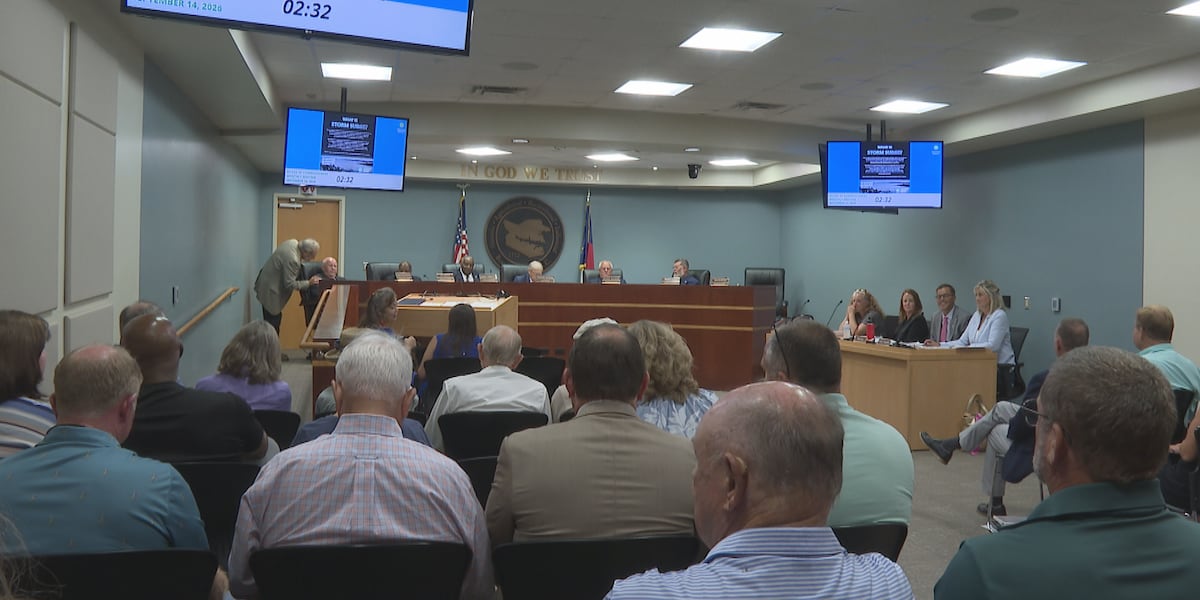
Leon County Commissioner Bill Proctor said the county’s location above the Florida aquifer makes water use a particularly urgent concern, warning officials must understand both the potential benefits and “permanent damage” of data centers before allowing development.
3
During Lima’s moratorium, city development officials will examine standards for land use, setbacks, electricity demand, community benefits and developer responsibility for infrastructure costs—issues the city’s decades-old zoning code does not currently address.
4
Edgewater’s immediate AI-data-center ban is intended as a temporary legal safeguard before a November charter amendment; city officials acknowledged that a future five-member City Council could repeal the ordinance unless voters put the prohibition in the charter.
Cities and counties across the United States are hitting pause on data center development, wrestling with demands on water, electricity, and infrastructure against potential economic gains. NBC Bay Area reported that San Francisco supervisors proposed a 45-day moratorium citing water use and energy concerns, while The Village Reporter noted Pioneer Village approved a six-month pause and Audacy reported Buffalo lawmakers sought a two-year ban on data centers and crypto mining facilities.
The wave of restrictions reflects a simple problem: most local zoning codes are decades old and never planned for high-density computing facilities. Boston is considering rules that would ban data centers unless developers get special approval and pass community review. Audacy reported Lima, Ohio, and Clarendon County, South Carolina, both approved 18-month pauses to write new regulations. Edgewater, Florida, enacted an immediate ban on AI data centers and is pursuing a permanent ban through a November charter amendment.
Massachusetts Governor Sets State-Level Restrictions
Governor Maura Healey ordered state agencies to stop issuing permits for large data center projects without prior approval from host communities. The move gives local leaders veto power over state-level decisions. Boston's proposed zoning changes would build directly on this policy by requiring community review for any data center project seeking approval.
Communities Struggle With Water and Power Demands
Leon County, Florida, is considering an 18-month moratorium, with Commissioner Bill Proctor warning that the county's location above the Florida aquifer makes water use a critical concern. Proctor said officials must understand both potential economic benefits and "permanent damage" before approving projects. The Daily Herald reported Elgin, Illinois, gave preliminary approval to a one-year moratorium on data center development citing similar infrastructure strain.
Lima, Ohio's development officials will examine electricity demand, land use, and who pays for infrastructure upgrades during its 18-month pause. The city also froze new municipal water requests from data centers outside its borders—though it preserved an existing Google agreement. Mayor Sharetta Smith noted the city's zoning code was written decades ago and never addressed data centers.
New Utility Rules Force Data Centers to Pay Their Own Way
Foley, Alabama, enacted a six-month moratorium and required future data center projects to provide their own power without shifting costs to existing utility customers. Mayor Ralph Hellmich said, "We want to have the answers if they show up, so that all the right questions are asked." The rule prevents companies from forcing residents to fund expensive grid upgrades needed for massive computing facilities.
Lake County, Florida, approved an eight-month moratorium in unincorporated areas set to expire May 11, 2027. Marion County is considering a 12-month pause, and Eau Claire County, Wisconsin, is preparing a moratorium resolution to support community engagement and ordinance writing. NBC New York reported New York State released guidelines for local governments to negotiate with developers during its own year-long moratorium.
Permanent Protections Require Charter Changes
Edgewater, Florida, enacted an immediate ban on AI data centers as a temporary legal safeguard before a November charter amendment vote. City officials acknowledged that a future five-member City Council could repeal the ordinance unless voters lock the prohibition into the city charter. Beaufort County, North Carolina, postponed a hearing on a proposed one-year moratorium until October 5, while Moffat County, Colorado, postponed its decision until October 13 as officials gather public input.
Sentiment
Mostly NegativeNEGATIVENEUTRALPOSITIVE
Publishers
42
Articles
21
Reach
63
Topics
A
AnonymousAuthor


