Bangladesh Fuel Hike Raises Costs, Fuels Protests
Bangladesh Fuel Hike Raises Costs, Fuels Protests
Anonymous
Key Points
1
The September increase was Bangladesh’s third fuel-price rise of 2026, following adjustments in April and June; diesel had already risen from Tk100 to Tk115 per litre in April before reaching Tk135.
2
Bangladesh Chamber of Industries President Anwar-ul Alam Chowdhury Parvez said the hike came as private-sector credit growth was weak, bank loan classification was rising and businesses were already facing high gas and interest costs, warning that production and employment would come under further pressure.
3
Parvez said the effects could be persistent because transport costs rarely fall after rising, with higher charges affecting raw materials from Chattogram, agricultural goods sent to Dhaka, imported products and export shipments.
4
Opposition leader Nahid Islam questioned where Bangladesh Petroleum Corporation’s profits had gone when global fuel prices were low and called for temporary cuts to fuel-import taxes and duties; he also contrasted the government’s expected annual savings of about Tk10,000 crore with Tk44,000 crore allocated for a new public-sector pay scale.
5
Malaysia’s August inflation increase was reflected in specific data: food and non-alcoholic beverage inflation reached 1.9% year-on-year, while housing, utilities and fuel rose to 2.1% and transport inflation rebounded to 2%; Phillip Capital Research nevertheless forecast full-year headline inflation at 1.8%.
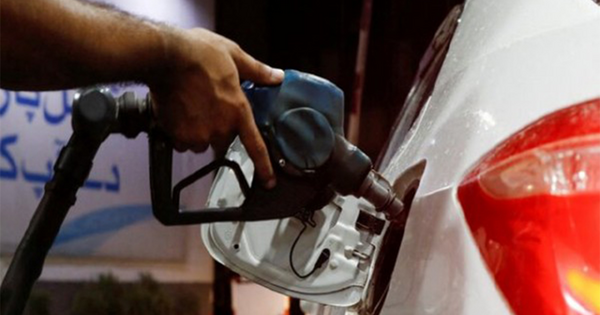
Bangladesh raised fuel prices by Tk20 per litre starting September 21, pushing diesel to Tk135, kerosene to Tk155, petrol to Tk160, and octane to Tk165. Retail News Asia reports the hike stems from surging international energy costs tied to Middle East conflicts and supply disruptions. This marks Bangladesh's third fuel increase in 2026, with diesel alone rising from Tk100 in April to Tk135 now.
The price jump is rippling through the economy fast. Vegetable traders report freight costs jumping by up to Tk4,000 per truck, while transport operators want bus fares raised 20 paisas per kilometre. Business leaders warn the measure will worsen inflation, squeeze farmers and manufacturers, and cut jobs when credit is already tight and interest costs are high.
Three Fuel Hikes in Seven Months Hit Businesses
Bangladesh has raised fuel prices three times since April 2026. According to Retail News Network, diesel climbed from Tk100 to Tk115 in April, then to Tk135 in September. Each increase makes production more expensive. Bangladesh Chamber of Industries President Anwar-ul Alam Chowdhury Parvez warned that transport costs rarely fall after rising, meaning higher charges for raw materials from Chattogram, agricultural goods shipped to Dhaka, imports, and exports.
Parvez stressed timing makes the crisis worse. Private-sector credit growth is weak, bank loans are going bad faster, and businesses already face high gas and interest costs. The fuel hike will push production and employment down further. The damage could last because once shipping companies raise prices, they seldom cut them back.
Opposition Questions Where Profits Went
Opposition leader Nahid Islam attacked the government's logic. When global fuel prices were low, where did Bangladesh Petroleum Corporation's profits go? He called for temporary cuts to fuel-import taxes and duties to ease the blow. BD Pratidin reports Islam also highlighted a striking contrast: the government expects to save about Tk10,000 crore from the fuel hike but allocated Tk44,000 crore for a new public-sector pay scale.
Islamist groups and opposition parties have protested the increase. They argue the government mismanaged fuel funds during cheaper global prices and is now punishing ordinary Bangladeshis. Critics say better management of fuel reserves and taxes could have cushioned the blow without raising prices so sharply.
Middle East Conflict Pushes Global Energy Costs Up
The price hike reflects real global pressures. Big News Network reports ongoing West Asia conflicts have disrupted oil supplies and driven international fuel prices higher. Bangladesh imports most of its energy, so when global prices spike, domestic costs follow. The government tied the September increase directly to these supply disruptions and rising import bills.
Supply shocks hit the region unevenly. Retail News Asia notes rising state energy import costs forced the price adjustment across all fuel types. Neighboring countries face similar pressures, though some use subsidies to shield consumers. Bangladesh lacks that fiscal cushion, leaving it to pass costs directly to households and businesses already squeezed by inflation.
Transport Sector Seeks Fare Hikes to Offset Losses
Transport operators want immediate relief. They have proposed a 20-paisa-per-kilometre bus-fare increase to recover higher fuel costs. Some reports claim Tk50 fare jumps already happened, though operators rejected those numbers as exaggerated. The real hike will likely fall somewhere between what they asked and what riders can bear.
Any fare increase hits the poor hardest. Higher bus costs force workers to spend more on commutes. Truckers pass on freight charges to farmers and merchants. Soon everyday goods cost more at market. The inflation ripple spreads from fuel pumps through supply chains to grocery stores and dinner tables.
Sentiment
Mostly NegativeNEGATIVENEUTRALPOSITIVE
Publishers
16
Articles
13
Reach
29
A
AnonymousAuthor


