Surging Fuel Prices
Philippines Faces Steep Fuel Price Hikes of Up to P11 Per Liter Amid Global Supply Pressures
Anonymous
Key Points
1
Saudi Arabia was seeking to restore half of its export capacity within days through the East-West pipeline and was offering additional cargoes to Asian refiners via ship-to-ship transfers off Oman, helping ease immediate supply concerns.
2
The market also responded to reports that China had asked Iran, at Saudi Arabia’s request, to limit Houthi attacks on Saudi oil infrastructure; however, vessel traffic through the Strait of Hormuz remained risky and physical supplies stayed tight.
3
Attacks on Russian refineries were identified as an additional source of pressure because Russia is a major diesel supplier, raising concerns about severe product-flow constraints and tight availability in Asian markets.
4
In the United States, California had the country’s highest reported fuel averages, at $6.08 per gallon for gasoline and $8.34 for diesel, while GasBuddy analyst Patrick De Haan warned diesel could reach $6.50 nationally within 48 hours.
5
The Philippine excise-tax threshold is more specific than the summary indicates: Dubai crude must average $80 per barrel within the relevant one-hour period before suspension can be considered, and the Department of Energy said prices had exceeded $100 per barrel from Aug. 13 to Sept. 11; the President holds the authority to suspend the tax, but no decision had been made.
The Philippines faces another sharp fuel price jump next week, with diesel climbing up to P9.50 per liter and gasoline rising P4.50 to P5.50, according to industry estimates. Oilprice reports that record diesel prices are raising concerns about local shortages as Middle East tensions disrupt global supplies. This marks the second straight week of steep increases, following hikes of more than P5.60 for gasoline and P4.30 for diesel this week.
Middle East Attacks Squeeze Global Oil Supplies
Attacks on Saudi Arabia's East-West pipeline and shipping routes through the Strait of Hormuz and Red Sea are driving fuel costs worldwide. Saudi Arabia is working to restore half its export capacity within days through the pipeline and offering additional cargoes to Asian refiners. China has reportedly asked Iran to limit Houthi attacks on Saudi infrastructure, but vessel traffic remains risky and physical supplies stay tight across Asian markets.
Russian Refinery Damage Worsens Diesel Shortages
Attacks on Russian refineries are adding pressure to diesel markets because Russia supplies a major share of diesel to Asia. En.econostrum warns that a global shortage of oil tankers is constraining shipping capacity for crude from Middle Eastern producers to refineries worldwide. These supply crunches threaten severe product-flow constraints and tight availability in Asian markets, including the Philippines.
US Diesel Hits Record Levels Across the Country
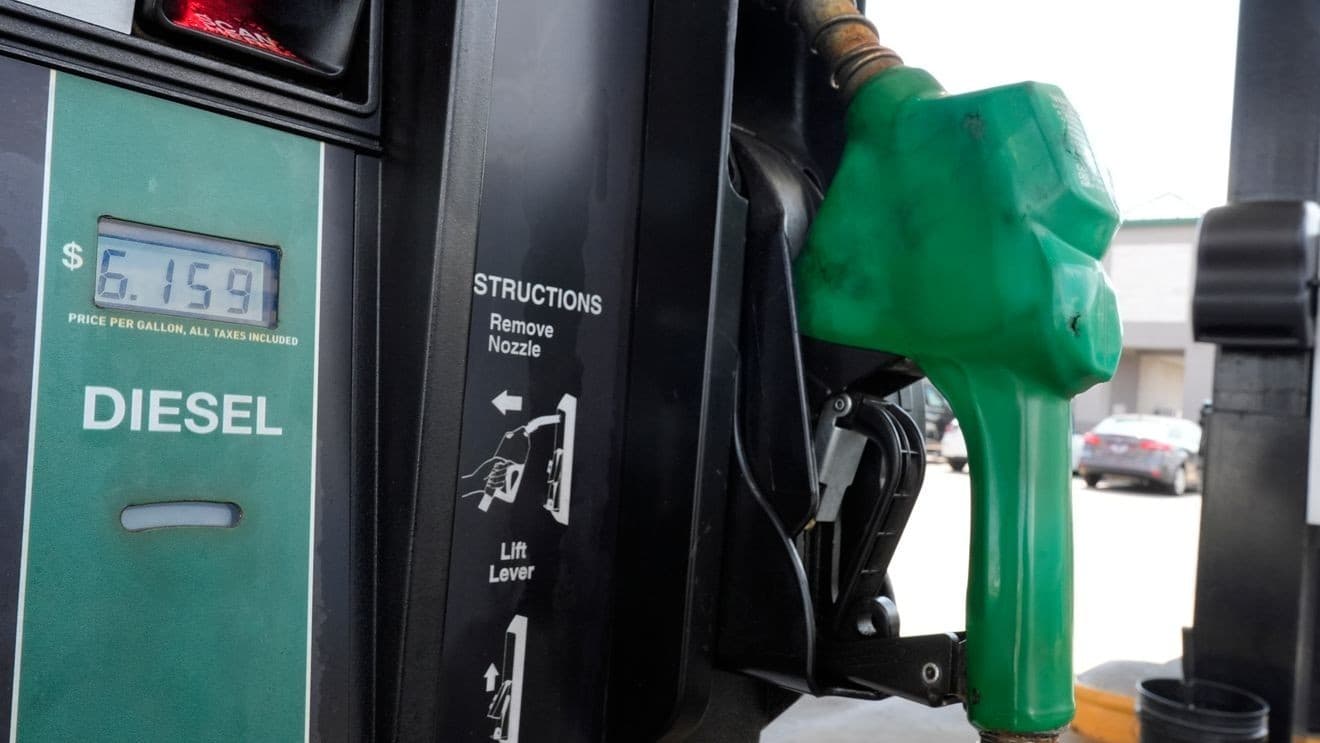
National gasoline averages in the United States have reached $4.43 per gallon, while diesel sits at $6.39. Truckinginfo reports that despite government efforts like oil-reserve releases and longer driving hours for fuel haulers, record high diesel prices persist with no easy fix. GasBuddy analyst Patrick De Haan warns diesel could hit $6.50 nationally within 48 hours, with California already at $8.34 per gallon for diesel.
Philippines Debates Fuel Tax Suspension as Crude Tops $100
Dubai crude has exceeded $100 per barrel, surpassing the legal threshold for potential fuel excise tax suspension. The Department of Energy said prices topped $100 from August 13 to September 11, yet President Ferdinand Marcos Jr. has not authorized a tax suspension. Expensive diesel will raise transportation, agricultural, and consumer costs across the country if prices continue climbing next week.
Sentiment
Mostly NegativeNEGATIVENEUTRALPOSITIVE
Publishers
19
Articles
23
Reach
42
A
AnonymousAuthor