Big Bend Border Wall Construction Begins Amid Opposition
Big Bend Border Wall Construction Begins Amid Opposition
Anonymous
Key Points
1
The steel wall panels being installed in Big Bend 1 are approximately 30 feet (nine meters) high.
2
The broader Big Bend region is divided into five planned project areas and extends roughly 500 miles from south of El Paso to Lake Amistad.
3
CBP said it is building an average of about 12 miles of barriers per week nationwide and has completed roughly 200 miles of new barriers since the current Trump administration took office.
4
Some landowners have refused to grant government officials and contractors access to their properties, adding a property-rights dispute to the opposition and litigation surrounding the projects.
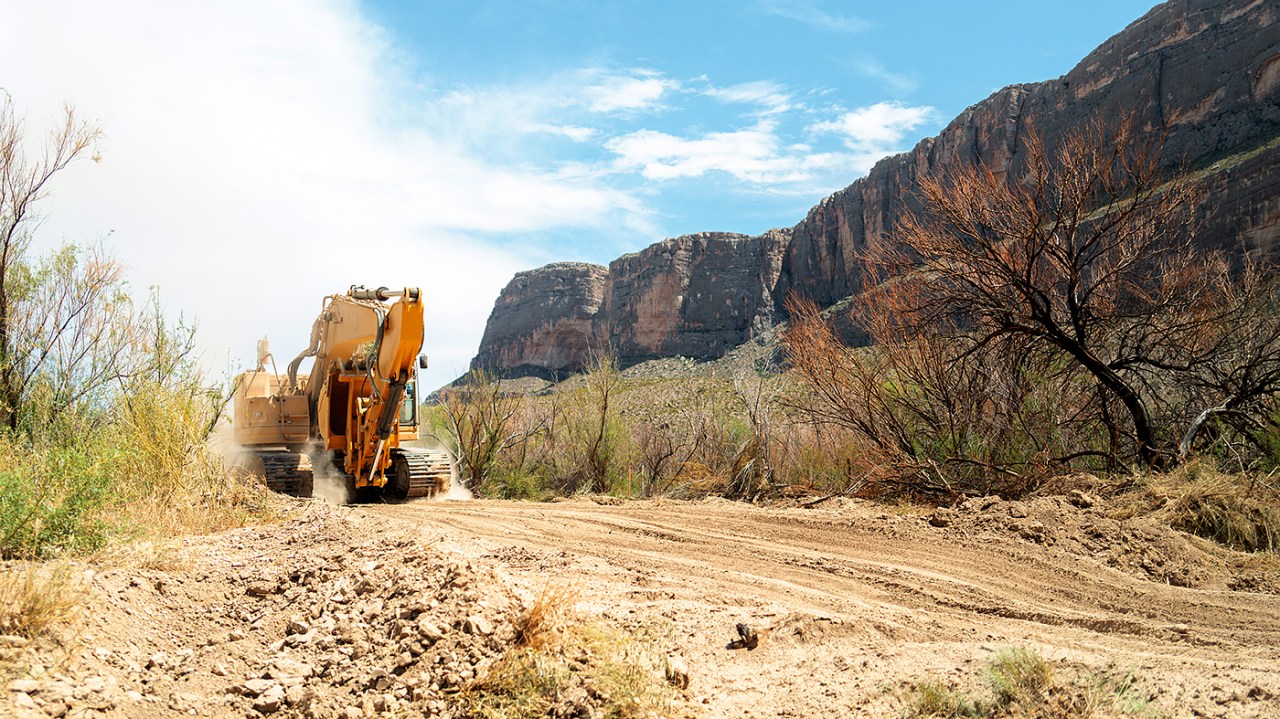
The Trump administration has started building a steel border wall in west Texas's Big Bend region, installing 30-foot-high panels across roughly 47 miles in Hudspeth County. The Hill reports the project is part of a broader $46.5 billion border effort and marks the first major construction in an area where local landowners, ranchers, environmentalists, and tribal groups have mounted fierce opposition. The Statesman notes that Customs and Border Protection says it is now building an average of 12 miles of barriers per week nationwide since taking office.
The Big Bend 1 project spans five planned construction areas across roughly 500 miles from south of El Paso to Lake Amistad. Opponents argue the remote terrain sees little illegal migration and worry about damage to wildlife corridors, floodplains, and culturally significant sites. Some landowners have refused to grant property access, creating additional legal and rights disputes.
Construction accelerates with steel panels and technology
MEAWW reports the Trump administration is installing 30-foot steel barriers as the cornerstone of its border strategy. The broader effort will combine walls, patrol roads, cameras, and detection technology to create a layered security approach. News outlets say CBP has completed roughly 200 miles of new barriers nationwide since the current Trump administration took office, with construction ramping up significantly.
Big Bend National Park project takes different approach
Construction in Big Bend National Park itself has been paused for environmental consultations. Rather than tall steel walls, that section will likely rely on cameras, sensors, and limited low-profile barriers to reduce harm to the landscape. This split approach reflects the tension between border security goals and environmental protection in ecologically sensitive areas.
Landowners and tribes fight project through courts and refusals
Local opposition spans ranchers, business owners, environmentalists, and tribal groups who say the Big Bend's remote location makes a massive wall unnecessary. The Hill reports some landowners have refused to grant government officials and contractors access to their properties, forcing the administration to pursue legal options. Multiple lawsuits and other challenges are underway to block or delay construction.
Critics question need for barriers in low-crossing region
Opponents argue the Big Bend region sees relatively little illegal border crossing compared to other sections. They worry the $46.5 billion One Big Beautiful Bill Act funding will prioritize construction over solutions that fit each area's actual needs. Environmental and property-rights concerns remain the central friction points as work continues despite widespread local resistance.
Sentiment
Mostly NegativeNEGATIVENEUTRALPOSITIVE
Publishers
15
Articles
220
Reach
235
A
AnonymousAuthor


