Global Ship Fuel Shortage
Refiners Prioritize Other Products As War Strains Ship Fuel Supplies
Anonymous
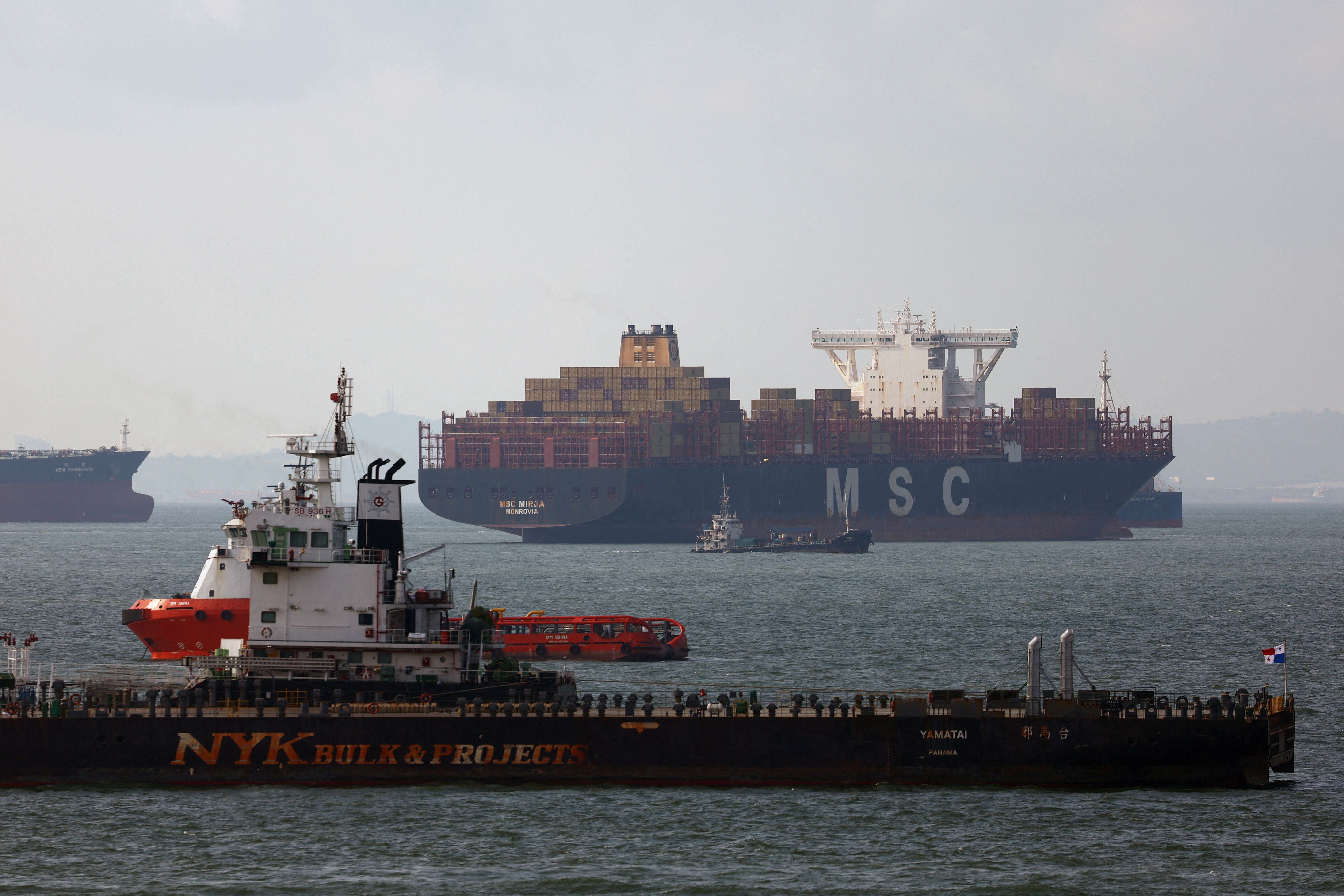
A shortage of fuel oil used in ships and power plants is expected to hit in Q3 as wars disrupt crude processing and tanker traffic worldwide. Refiners are now prioritizing diesel and other products instead, creating a deficit of 218,000 barrels per day in Q2 alone, according to Energy Aspects. Asia faces the biggest risk since it depends on fuel flows from the Gulf.
Nigeria's Dangote refinery has already shifted strategy, boosting diesel, gasoline, and jet fuel exports while cutting fuel oil shipments. The crunch will hit shipowners and power generators already struggling with war-related disruptions and rising costs.
Wars Force Refiners to Abandon Fuel Oil
Ongoing conflicts have crippled crude supply chains and blocked shipping lanes across key routes. Refiners face a choice: process limited crude into high-demand fuels or stockpile fuel oil with uncertain demand. They're choosing the former. Reuters reports that diesel now commands higher prices and faster sales, making it the priority over heavy fuel oil.
This shift is deliberate and rational. Fuel oil earns less per barrel and moves slower in warehouses. When crude is scarce, refiners chase profits. The result: fuel oil disappears from global supply just when ships and power plants need it most.
Asia Bears the Brunt of Supply Crunch
Asian ports and power stations depend heavily on fuel oil from Gulf refineries. With tanker traffic disrupted by conflict, that supply has dried up. Prices have spiked and inventory levels are falling fast. Shipping companies in Singapore and China face fuel sourcing costs jumping 15-25% by mid-year, industry sources say.
The Q3 shortage will force Asian operators to compete for fuel oil on the spot market at premium prices. Some vessels may idle or reroute. Power plants may switch fuels temporarily, raising electricity costs for consumers across the region.
Dangote Refinery Shifts Away From Heavy Fuel
Nigeria's Dangote refinery, one of Africa's largest, has cut fuel oil exports sharply this year. Instead, it's maximizing diesel, gasoline, and jet fuel production to capture better margins. Storage tanks that once held heavy fuel oil now sit half-empty or process other products.
This mirrors a global trend. Every major refinery from Europe to the Middle East is doing the same. When crude runs tight, fuel oil becomes the sacrificial product. Shipowners and utilities are caught without a safety net.
Fuel Oil Prices and Stockpiles Signal Stress Ahead
Spot prices for heavy fuel oil have climbed 18% in the past month. Global storage levels are at a five-year low. These signals tell the real story: supply is already tight, and the market knows shortage is coming. MarketWatch reports that traders are hedging heavily against further price spikes.
Shipowners locked into long-term contracts at old prices will face margin squeeze. Power plants will absorb higher costs. The shortage won't last forever, but Q3 will be painful. Expect shipping rates and electricity prices to rise in Asia first, then spread globally by fall.
Sentiment
NeutralNEGATIVENEUTRALPOSITIVE
Publishers
13
Articles
13
Reach
13
A
AnonymousAuthor


