Global Gandhi Jayanti Tributes
Global communities and leaders honor Gandhi Jayanti with worldwide ceremonies and newly digitized archival footage.
Anonymous
Key Points
1
At Mani Bhavan, Mumbai visitors and schoolchildren viewed Gandhi’s preserved room, including his charkha and personal belongings, and an exhibition of 28 hand-crafted dioramas depicting episodes from his life. The building served as Gandhi’s Mumbai headquarters from 1917 to 1934.
2
The restored 1925 Rajkot footage shows a Manpatra, or civic address, being read and presented to Gandhi in a traditional silver casket; it also records his interactions with local dignitaries and citizens at a reception afterward.
3
London’s observance began at Tavistock Square, led by Indian High Commissioner P. Kumaran, and ended with tributes at Parliament Square. Kumaran said Gandhi showed that “the pursuit of justice need not come at the cost of humanity,” and described the Indian community in the UK as an important part of India-UK ties.
4
In Tokyo, Indian Ambassador Nagma Mallick highlighted Gandhi’s principle of Antyodaya—prioritizing society’s most vulnerable—as well as his emphasis on cleanliness, walking and community service. Norway’s ambassador to India, May-Elin Stener, also recalled a moving visit to Sabarmati Ashram and said truth, nonviolence and peace are values shared by Norway.
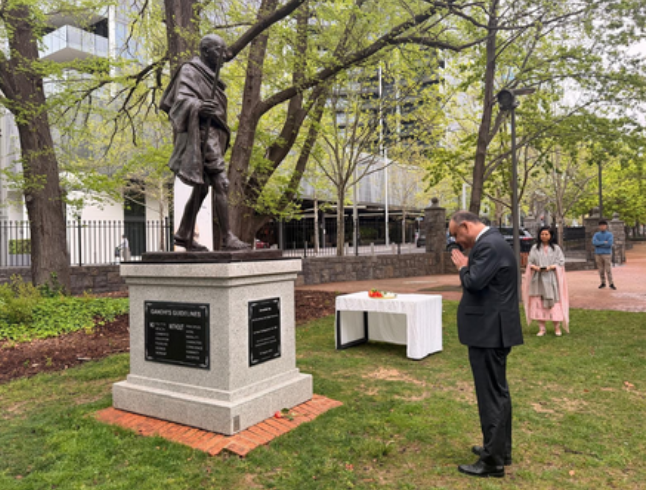
Gandhi Jayanti, the 157th birth anniversary of Mahatma Gandhi, was celebrated globally on October 2, 2026, with floral tributes, ceremonies, and cultural events honoring his principles of truth and nonviolence. Indian News England reported that Indian diplomatic missions in London, Tokyo, Canberra, Wellington, and Phnom Penh held commemorative gatherings, while India's National Film Archive digitized rare 1925 footage of Gandhi receiving a civic honor in Rajkot in 4K resolution.
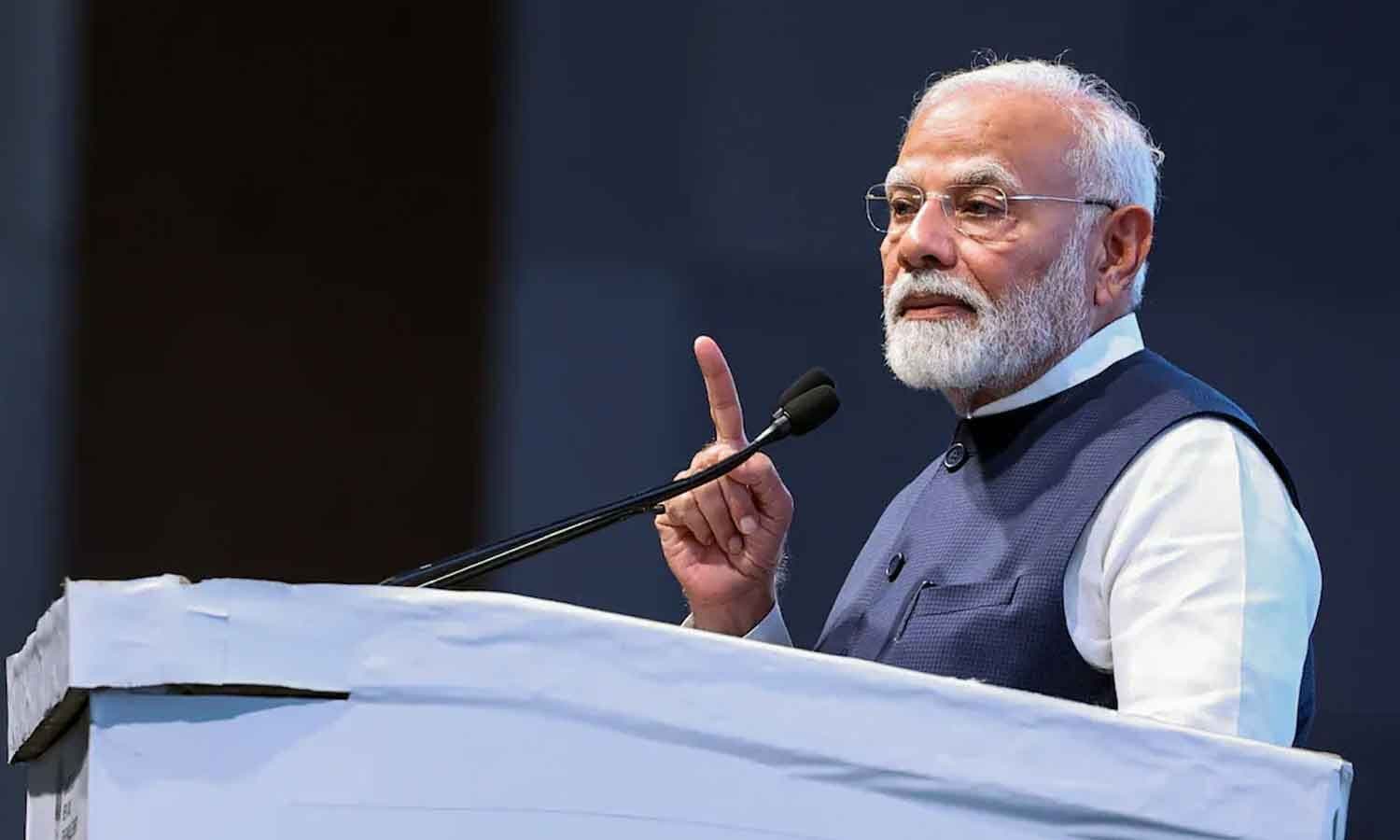
Prime Minister Narendra Modi and opposition leader Rahul Gandhi both invoked the Mahatma's legacy in separate tributes. Mashable India noted that the day also marks the UN's International Day of Non-Violence, a designation adopted in 2007 to recognize Gandhi's global impact on peaceful resistance and social justice.
Mumbai Honors Gandhi at His Former Headquarters
Visitors and schoolchildren gathered at Mani Bhavan in Mumbai, Gandhi's political headquarters from 1917 to 1934, to pay respects on his 157th birth anniversary. Mid-day reported that guests viewed Gandhi's preserved room, his hand-spinning charkha, and personal belongings. The museum also displayed 28 hand-crafted dioramas depicting key moments from his life, giving visitors a detailed look at his journey from a young lawyer to India's independence leader.
Rare 1925 Film Restored to 4K for Public Access
India's National Film Archive preserved a century-old silent film from 1925 showing Gandhi receiving a Manpatra, a civic address presented in a silver casket, during a reception in Rajkot. Punekar News reported that the footage has been digitized in 4K resolution as part of India's National Film Heritage Mission, allowing modern audiences to see Gandhi's interactions with local dignitaries and citizens with unprecedented clarity.
Global Tributes Emphasize Universal Values of Peace
Indian diplomatic missions worldwide led observances that framed Gandhi's philosophy as relevant to modern global challenges. In London, DTNext reported that Indian High Commissioner P. Kumaran led a gathering at Tavistock Square and Parliament Square, saying Gandhi proved "the pursuit of justice need not come at the cost of humanity." Kumaran highlighted the Indian diaspora in the UK as a vital bridge between the two nations.
In Tokyo, Indian Ambassador Nagma Mallick stressed Gandhi's principle of Antyodaya—putting the most vulnerable first. She also emphasized his personal disciplines of walking, cleanliness, and community service. Norway's ambassador to India, May-Elin Stener, recalled a visit to the Sabarmati Ashram and said truth, nonviolence, and peace are shared values between Norway and India.
Indian Leaders Invoke Gandhi's Message for Today
Prime Minister Modi tied Gandhi's ideals to India's current development goals, highlighting principles of truth, nonviolence, simplicity, and self-reliance. Opposition leader Rahul Gandhi framed the Mahatma's legacy differently, emphasizing fearlessness and active resistance against injustice. Both leaders used the occasion to connect Gandhi's 20th-century struggle to modern challenges facing Indian society and the world.
Sentiment
Mostly PositiveNEGATIVENEUTRALPOSITIVE
Publishers
49
Articles
54
Reach
103
A
AnonymousAuthor