Election System Scrutiny
Voter Roll Flaws and Strict ID Rules Face Intense Scrutiny Globally
Anonymous
Key Points
1
The 97 Goa voters were among 649 electors who came forward after a January 29 Supreme Court order gave people flagged for “logical discrepancies” an opportunity to submit documents or objections and be heard by Electoral Registration Officers. The discrepancies involved problems linking voters to their parents or grandparents in earlier rolls.
2
To assess the revision’s effects in Karnataka, organisers are conducting door-to-door checks at 100 polling stations across 25 districts, including checks of voter-roll entries, notices and residents’ documentation. They planned to submit preliminary findings to the state government and Election Commission on September 30.
3
Prakash Raj said elderly people, women and migrant workers were struggling with document-verification requirements, and stressed that every citizen has an equal stake in democracy.
4
The Karnataka campaign also planned a national-level civil-society meeting in New Delhi on October 1 to decide its next steps.
Voter rolls and identity rules are facing legal and technical challenges across India and California, threatening millions of eligible voters. In Goa, India Today revealed that the Election Commission's centralized voting software lacks a rollback feature, leaving 97 eligible voters off the final roll despite officials approving them. Meanwhile, in Karnataka, activists warn that ongoing voter-roll revision could exclude eligible people, and California voters will decide in November whether to require government ID for voting.
Goa's Centralized System Locks Out Eligible Voters
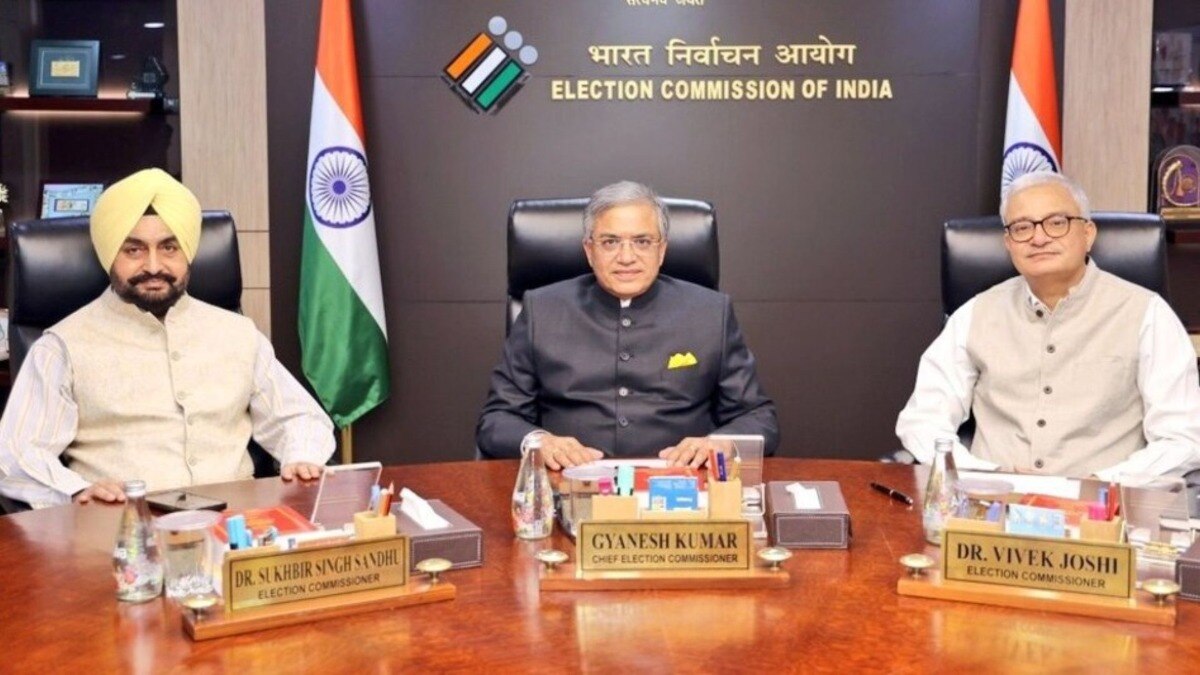
After a January 29 Supreme Court order, 649 Goa voters came forward to fix "logical discrepancies" in their records — problems linking them to parents or grandparents in earlier rolls. Electoral officers approved 97 of them as eligible. But on February 21, when Goa published its final roll, those 97 voters were missing. India Today reported that the Election Commission's ECINet software had no rollback feature to restore them.
The state election office sent eight emails between February 11–17 begging Election Commission officials in Delhi for software access to fix the error. None came. The Election Commission blamed its system design: once a Form 7 deletion trigger fires, local officers lose all power to reverse it without explicit permission from headquarters. India Today quoted Election Commission officials saying centralized control prevents accidental voter loss — but here, it caused exactly that.
Karnataka Audit Flags Risk to Millions in Revision
In Karnataka, over 10.8 million voters landed on a draft revision list flagged as absent, shifted, dead, duplicate, or other issues. Civil society groups launched a door-to-door audit across 100 polling stations in 25 districts to check if eligible voters face wrongful removal. Actor Prakash Raj criticized the process, saying elderly people, women, and migrant workers struggle to prove residency and citizenship when documents are hard to find.
Groups plan to submit preliminary findings by September 30 and hold a national civil-society meeting in New Delhi on October 1 to plot next steps. Prakash Raj called the revision a "scam," stating: "Does that mean just because you are popular, you get the privilege? And if you are a common man, you are underprivileged?" The audit aims to force government action before the final roll publishes.
California's ID Requirement Could Cost Hundreds of Millions
California voters will decide Proposition 39 in November. The measure would require government-issued ID for in-person voting and force mail-ballot voters to write the last four digits of their Social Security number or driver's license on envelopes. Currently, California requires no ID to vote in person and relies on signature checks for mail-ins.
The California Legislative Analyst's Office estimates implementation will cost state and local governments tens of millions to low hundreds of millions of dollars annually. Supporters like Assemblyman Carl DeMaio say it protects election security. Opponents, including LA County Supervisor Janice Hahn and civil rights groups, argue it "puts up new barriers between voters and the ballot box" and disproportionately blocks low-income workers, students, and seniors without uniform government IDs.
Centralized Power Versus Local Election Authority
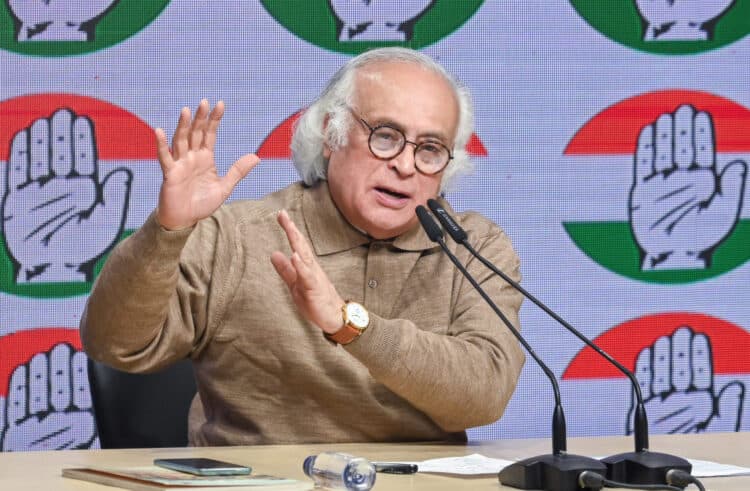
All three cases expose a core tension: When central software systems or rules override decisions made by local election officials, who wins? In Goa, the Election Commission argues centralized IT locks prevent accidental voter deletion. But that same lock prevented *intentional* restoration of voters officials had cleared. Congress leader Shashi Tharoor demanded the Election Commission "owe apology to nation," pointing to the structural flaw.
In Karnataka, thousands risk removal because they lack easy access to old documents. In California, a single ID rule could exclude millions — yet implementation costs could balloon to hundreds of millions. The pattern: top-down voting rules, applied uniformly, punish people with the fewest resources to comply. Activists and opposition leaders say voters should get a fair chance to prove eligibility before losing their voice.
Sentiment
Mostly NegativeNEGATIVENEUTRALPOSITIVE
Publishers
28
Articles
118
Reach
146
A
AnonymousAuthor