Waste-Based Mine Roads
China Mine Tests Waste-Based Road Materials Under 100-Ton Heavy Trucks
Anonymous
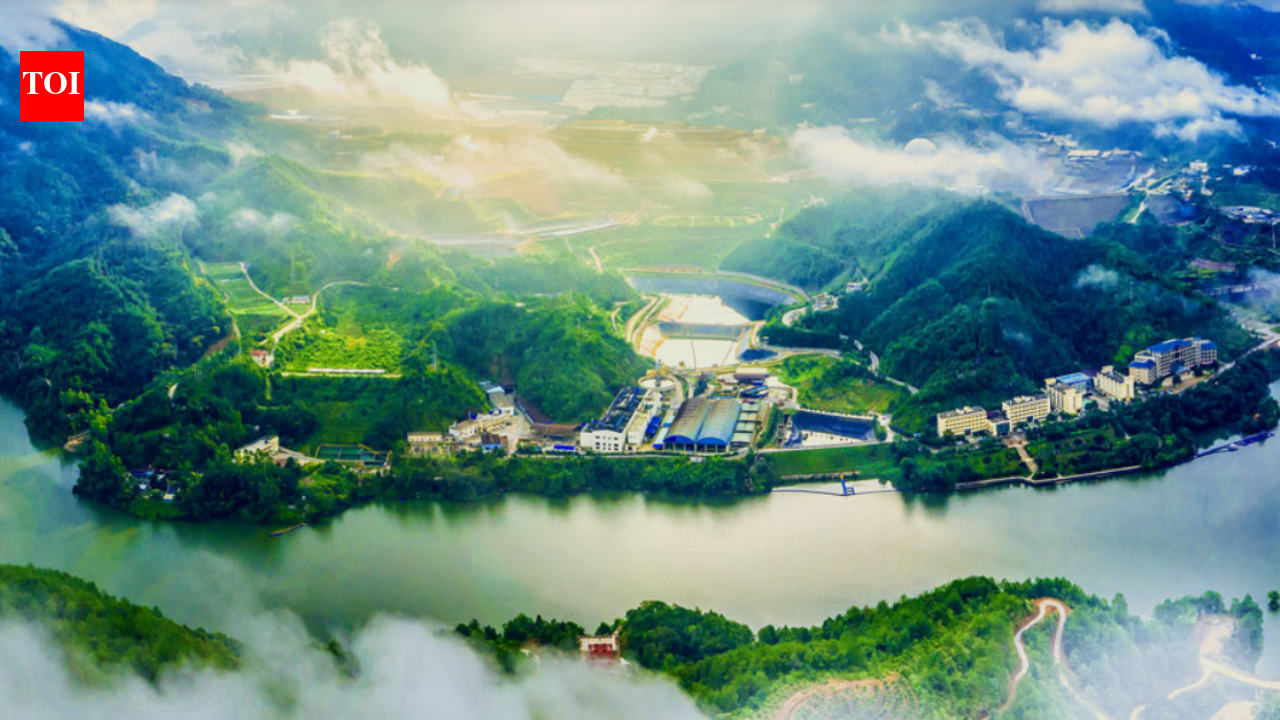
Researchers at China’s Zijinshan Gold-Copper Mine tested turning mine wastes—including blasting slag and treatment residue—into a cement-based road material, using a binder made from steel slag, waste cement and lime slag. Test sections carried 100-tonne trucks through seasonal rainfall; after 28 days, the strongest mixture showed substantially less deformation than conventional granular blast-slag pavement, with one section recording 97.19% lower deflection. The researchers also reported that the material met groundwater limits for three toxic metals, addressing a key concern about reusing residue that may contain heavy metals. The approach could reduce stockpiled mine waste and demand for virgin road materials, but wider use will require addressing waste variability, leaching risks and the lack of standardized design methods.
Key Points
1
The strongest-performing test section used a 15% composite-solid-waste pavement mix; the study reported that it had 97.19% lower deflection than the granular blast-slag pavement base after 28 days.
2
The articles describe the mine’s haul roads as vulnerable to intense rainfall, wind erosion and flooding, with repeated heavy loads contributing to potholes, rutting and uneven settling.
3
The neutralised dreg used in the mix is a powder left after treatment of acid mine drainage; the articles identify it as particularly challenging to reuse because it may contain heavy metals.
4
A 2025 review cited in the articles estimates that more than 100 billion tonnes of mining waste are generated globally each year, while a separate 2023 review says such waste has been explored for road bases, subbases, embankments and asphalt but has not been widely adopted.
Sentiment
Mostly PositiveNEGATIVENEUTRALPOSITIVE
Publishers
5
Articles
7
Reach
12
Topics
A
AnonymousAuthor


