Brazil General Elections
Brazilians Head to Polls for Historic Presidential and Legislative Elections
Anonymous
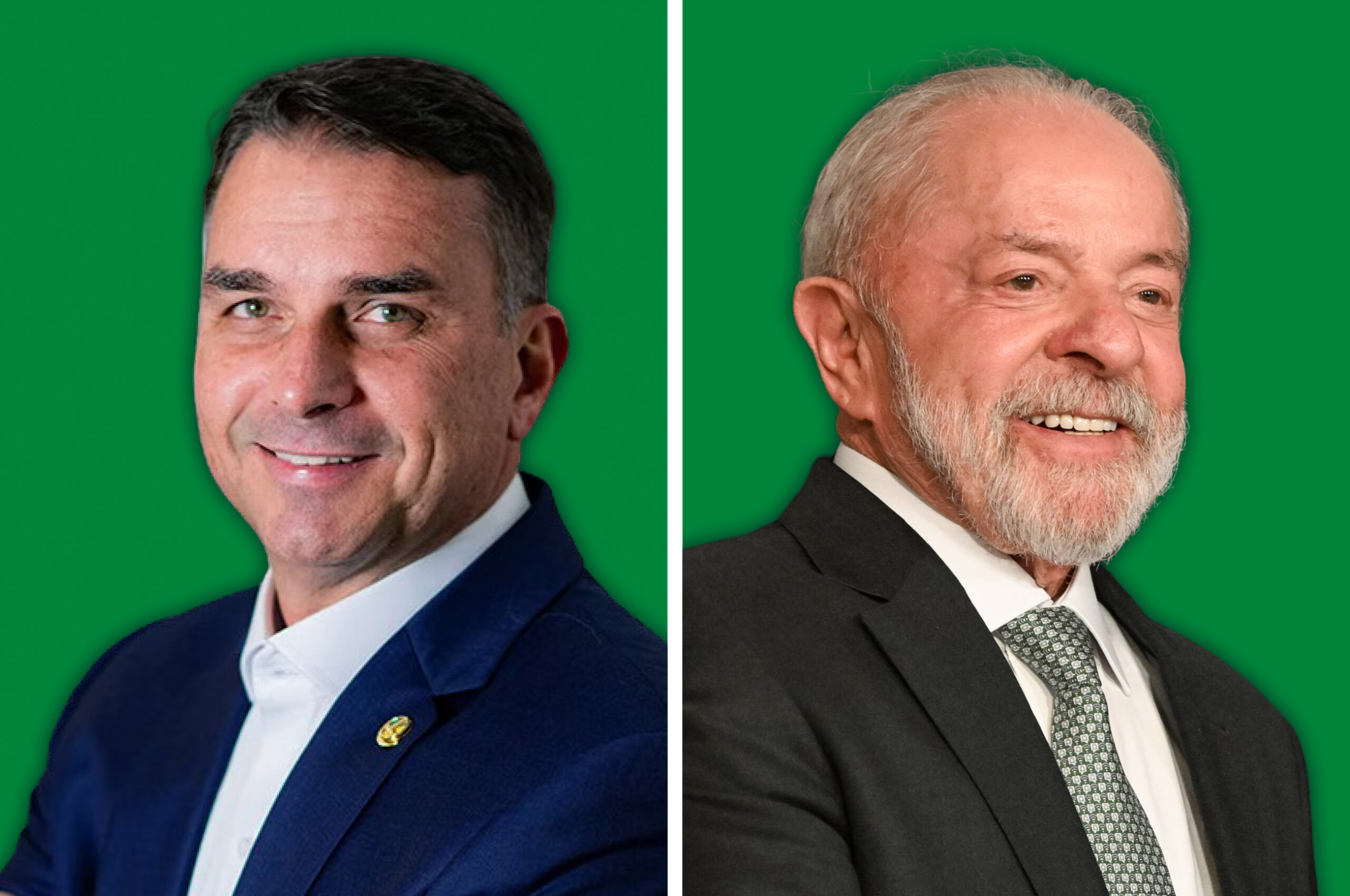
Brazil holds its largest election ever on October 4, with over 158 million voters casting ballots in a three-way race for president, congress, and state offices DevDiscourse. Incumbent President Luiz Inácio Lula da Silva, 80, is seeking a fourth non-consecutive term against Senator Flávio Bolsonaro, 45, son of imprisoned former President Jair Bolsonaro Dayton Daily News. If neither candidate wins more than 50% of the vote, a runoff is scheduled for October 25.
The contest pits left against right in a deeply polarized nation. Polling shows a tight race: Lula leads with 40–44%, while Bolsonaro trails at 36–41%. Both men face rejection rates near 50%, meaning undecided voters will likely decide Brazil's future GIGA German Institute for Global and Area Studies.
How Bolsonaro's Prison Sentence Reshaped the Race
Jair Bolsonaro cannot run. In 2023, he was convicted and sentenced to 27 years in prison for attempting a coup after losing the 2022 election Council on Foreign Relations. His supporters stormed government buildings in January 2023. Unable to seek office, Bolsonaro passed the torch to his son Flávio, a right-wing senator who has pledged to align Brazil with the U.S. anti-drug coalition.
This dynastic succession reveals Brazil's weak party system. As analyst Oliver Stuenkel from Getulio Vargas Foundation notes, voters are effectively choosing for or against Lula and for or against the Bolsonaro family—not debating detailed policy platforms Getulio Vargas Foundation.
Lula's Left-Wing Platform Versus Bolsonaro's Right-Wing Push
Lula frames himself as a defender of Brazilian sovereignty and democracy. He has accused foreign actors of trying to influence the election and vows Brazil will not bend to outside pressure ANI News. His agenda centers on social welfare programs and multipolar foreign policy—strengthening ties with China and the Global South rather than aligning solely with Washington.
Bolsonaro's son takes the opposite approach. He promises law-and-order governance and closer ties to the United States, mirroring the recent rightward shift across Latin America Americas Quarterly. With former U.S. President Donald Trump signaling support for right-wing candidates in the region, Flávio's campaign gains momentum among conservative voters.
A Nation Divided Over Social Welfare and Economic Direction
Voters face a stark choice on economic policy. Lula's workers' party supports expanded social programs and higher public spending. Bolsonaro's Liberal Party pushes market-oriented reforms and reduced government size US News. Both candidates suffer from deep voter distrust—each faces near-50% disapproval ratings—meaning negative partisanship, or voting against the rival, drives turnout more than enthusiasm for either leader.
Beyond the presidency, elections determine 27 state governors, all 513 chamber deputies, and over 1,000 state legislators. This fragmented power structure means no single leader can govern alone. A Lula victory maintains Brazil's independent foreign policy, while a Bolsonaro win realigns the nation with Washington's regional security agenda WD Times.
Sentiment
Mostly NegativeNEGATIVENEUTRALPOSITIVE
Publishers
93
Articles
273
Reach
366
A
AnonymousAuthor


