Brazil Election Market Impact
Brazil Markets Face Intense Volatility Ahead of Closely Watched Presidential Election
Anonymous
Key Points
1
In the final full week before the election, speculators held a net 60,538 futures contracts betting on a stronger real—up 6,337 from the previous week, but still 17% below the 2026 peak of 72,813 reached on Sept. 1.
2
The vote also includes elections for Congress and state governors. If no presidential candidate wins more than half of valid votes on Oct. 4, the top two candidates will face each other in a runoff on Oct. 25.
3
A Treasury bond auction showed strong demand for inflation-linked securities: investors bought all 900,000 NTN-B bonds offered, at rates below traders’ expectations. By contrast, they took only 23.1% of the 500,000 floating-rate LFT bonds offered.
4
One emerging-markets fund manager put the potential stock-market outcomes at a few percent decline if Lula wins versus a rally of as much as 10% if Flávio Bolsonaro wins; the Bovespa had already risen 30% over the prior 12 months.
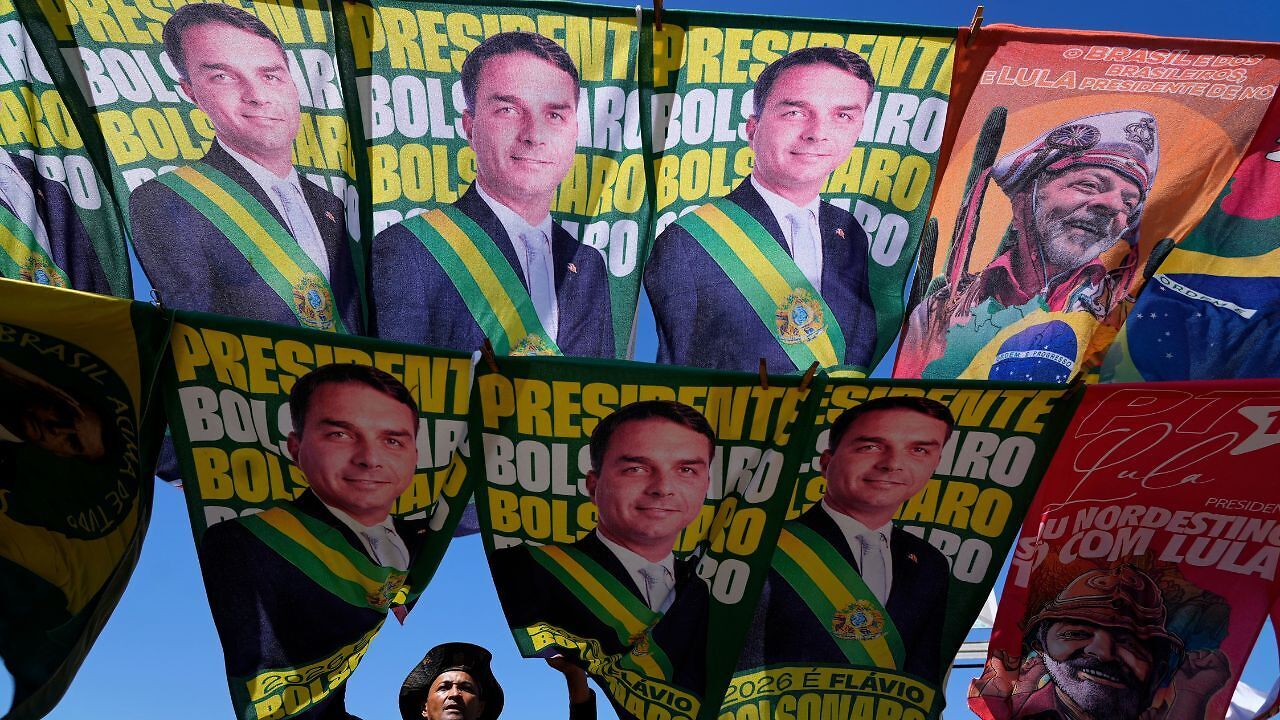
Brazil's October 4 presidential election is shaping up as a tight race between incumbent Luiz Inácio Lula da Silva and challenger Flávio Bolsonaro, with investors bracing for sharp market swings depending on the outcome. Bloomberg reports that a Lula win could trigger a stock decline of a few percent, while a Bolsonaro victory might spark a rally of up to 10%—despite the Bovespa having already climbed 30% over the prior 12 months.
Election uncertainty has weakened the Brazilian real toward 5.23 per dollar amid broad dollar strength and weak manufacturing data, though speculators are betting on a stronger currency. Reuters data shows speculators held 60,538 net futures contracts betting on real appreciation in the final full week before voting, up 6,337 from the previous week but still 17% below September's peak of 72,813.
Market Bets Shift Based on Fiscal Policies
Investors are divided on which candidate offers better returns. Financial Times analysis shows markets favor Bolsonaro due to his pro-business stance and fiscal discipline promises, which could unlock a 10% stock-market rally. A Lula victory, by contrast, carries risks tied to spending concerns and social programs, though downside may be limited if he signals fiscal responsibility.
The durability of any post-election gain depends on whether the winning candidate delivers credible fiscal measures. CNBC reports that investors are watching closely for spending commitments and central bank independence signals—factors that could sustain market confidence beyond the initial vote reaction.
Bond Investors Hedge Their Bets With Inflation Hedges
Brazil's Treasury bond auction revealed investor anxiety about inflation risk. Trading Economics data shows that investors snapped up all 900,000 inflation-linked NTN-B bonds offered at rates below trader expectations, while taking only 23.1% of the 500,000 floating-rate LFT bonds. The shift signals demand for protection against price-spiral scenarios.
High Brazilian interest rates—currently among the world's highest—have attracted carry-trade demand from global funds seeking yield. MarketWatch notes that investors expect the central bank to continue cutting rates, but a cooling labor market and uncertain global conditions create downside risks to returns.
A Runoff Could Arrive in Late October
If no presidential candidate wins more than half of valid votes on October 4, the top two will compete in a runoff on October 25. Agência Brasil reports that concurrent elections for Congress and state governors add layers of complexity, with 54 of the 81 Senate seats also up for grabs—a contest that could shape the next president's legislative power.
Investors are using options, currency hedges, and local interest-rate positions to navigate the uncertainty until results are clear. Zero Hedge reports that bullish options bets on Brazilian assets have spiked, reflecting expectations of significant price moves regardless of the outcome.
Sentiment
Mostly NegativeNEGATIVENEUTRALPOSITIVE
Publishers
19
Articles
39
Reach
58
A
AnonymousAuthor


