Southern California Heat Warning
Extreme heat warnings take effect across Southern California as temperatures reach near 100 degrees.
Anonymous
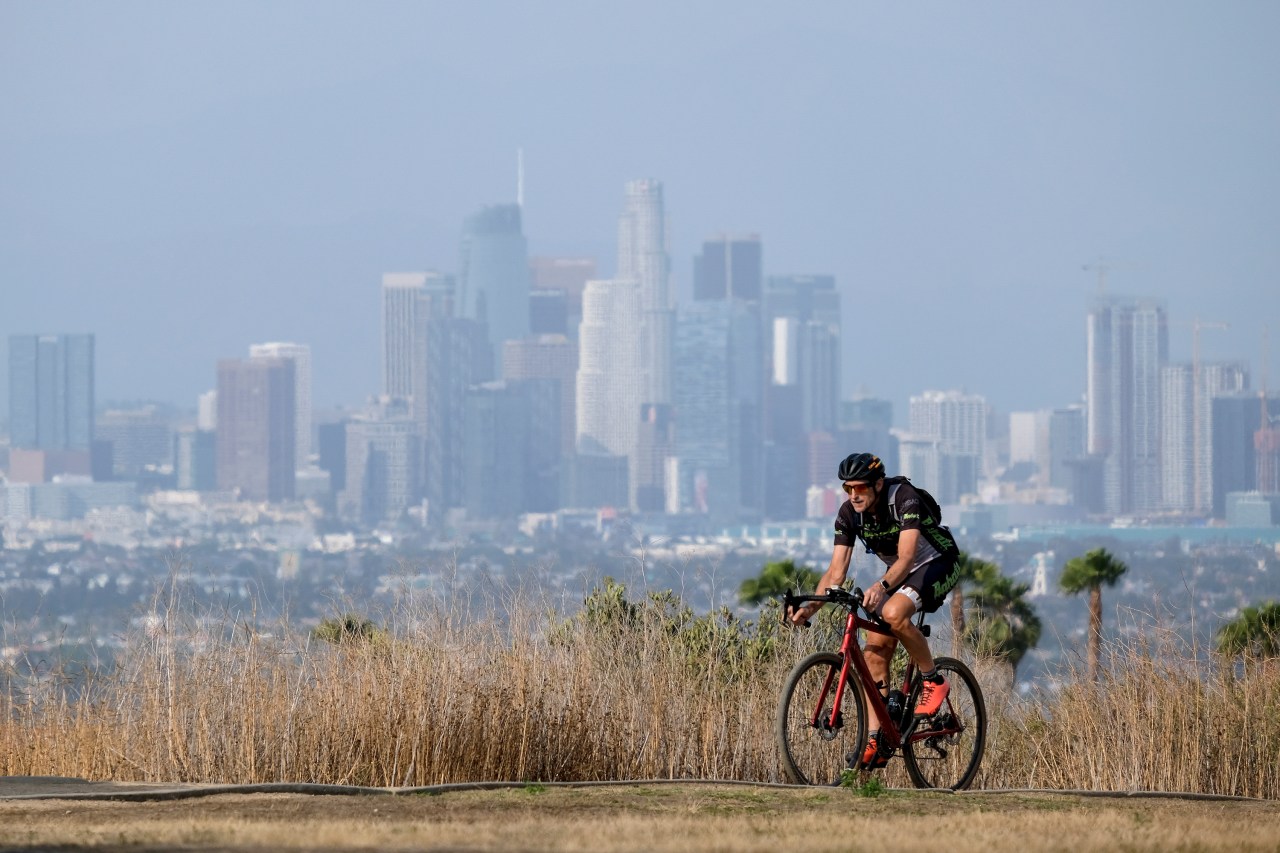
Southern California faces a long-duration heat wave beginning Friday, October 2, with extreme heat warnings in effect through October 8. KTLA reports that high pressure will push temperatures near 100 degrees in downtown Los Angeles, while Medical Daily warns that inland valley highs could reach between 102 and 107 degrees — up to 20 degrees above normal. The National Weather Service has issued warnings for Los Angeles, Ventura, Orange, San Bernardino, and Riverside counties.
A Heat Wave Built to Last Nearly a Week
This is no brief hot spell. KEYT shows the extreme heat warning runs from Friday, October 2 at 10 AM PDT straight through Thursday, October 8 at 8 PM PDT. According to meteorologist Rose Schoenfeld of the National Weather Service, NWS calls this "one of the longer-duration ones that I've seen in my time at this office." The extended duration is the real danger — nighttime lows will only drop to 70 to 78 degrees, giving bodies almost no chance to cool down.
Triple-Digit Heat Expected Inland Through Next Week
Valleys will bear the brunt of the heat. Medical Daily warns that valley highs will climb between 102 and 107 degrees — roughly 15 to 20 degrees above what October normally brings. Downtown Los Angeles and Pasadena will hit 99 to 103 degrees. Even coastal areas won't escape: Santa Barbara to Orange County will see 90 to 98 degrees. Saturday, October 3, looks like the peak day of the initial surge.
A wind advisory will also run Saturday from 6 AM to 6 PM PDT across inland valleys and mountains, with gusts reaching 35 to 45 mph — and isolated mountain passes hitting 55 mph. These gusty offshore winds will push already dangerous heat inland and increase wildfire risk.
Power Grids and Vulnerable Residents Face Strain
The combination of extreme heat and gusty winds puts Southern California's power grid at risk. Widespread air conditioning use during a 7-to-10-day heat wave, paired with downed tree branches from wind gusts, could cause localized blackouts. Public health officials warn that unhoused people, outdoor workers, and elderly residents without air conditioning face the greatest danger of heat exhaustion and heat stroke.
Wildfire danger also climbs significantly. Triple-digit temperatures, low humidity from offshore flow, and strong winds create the perfect recipe for rapid fire spread across brush and mountain terrain throughout the warning period.
Tropical Moisture Could Bring Relief By Next Weekend
The heat wave won't last forever. Acadiana News First reports that tropical moisture is moving into the area, with rain chances rising especially on Saturday and Sunday. Some storms may produce locally heavy downpours. This moisture influx should usher in cooler temperatures by the following weekend — likely around mid-October — breaking the extended heat pattern.
Sentiment
Mostly NegativeNEGATIVENEUTRALPOSITIVE
Publishers
31
Articles
29
Reach
60
A
AnonymousAuthor


