UK Student Space Projects
UK University Students Develop Satellite and Prepare NASA Robotics Competition Entries
Anonymous
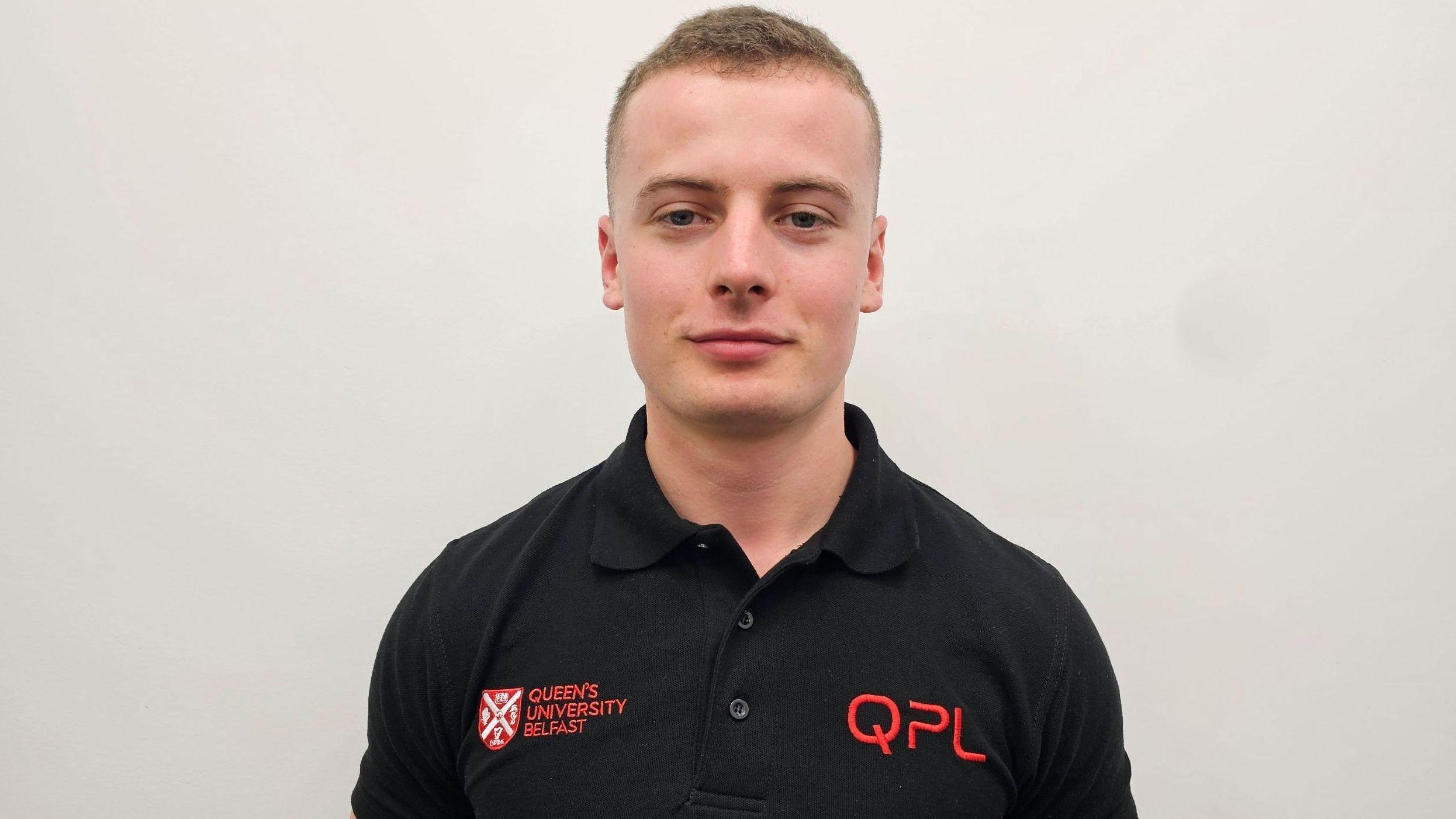
University of Bradford students are developing a 250-gram CubeSat to study radio-frequency interference that can disrupt satellites used for climate and environmental monitoring, with a hoped-for 2027 launch. The team has secured $10,000 in seed funding but needs another £40,000 for launch, licensing and insurance, and is pursuing a launch opportunity with Alba Orbital. Separately, a Queen’s University Belfast team is taking its lunar rover to NASA’s international Lunabotics competition in Florida, where teams will test robots’ ability to dig, navigate obstacles and build a wall from simulated lunar material. The QUB team earned its invitation after winning a competition in Milton Keynes.
Key Points
1
Bradford’s project is backed by an international steering group that includes experts from NASA’s Jet Propulsion Laboratory, UPC BarcelonaTech, the University of Pavia and The Aerospace Corporation.
2
BRASS was named Project of the Year at the 38th National Student Space Conference and was one of five global winners in the IEEE Geoscience and Remote Sensing Society Student Grand Challenge—the first UK team selected.
3
More than 20 Bradford students from engineering, computer science, business and law are involved, gaining experience in space technology and international collaboration.
4
The QUB rover team has 10 students and designed a 52-kilogram aluminium-frame vehicle; the group split work among software, electronics and mechanical teams, with software simulations used to test its controls before the rover was built.
Sentiment
Mostly PositiveNEGATIVENEUTRALPOSITIVE
Publishers
6
Articles
6
Reach
12
A
AnonymousAuthor


