Defending the 1.5°C Limit
Pacific Leaders Press for Urgent Emissions Cuts Ahead of COP31 Climate Summit
Anonymous
Key Points
1
At the 55th Pacific Islands Forum Leaders Meeting in Palau, leaders issued the Belau Declaration for Urgent and Inclusive Climate Action to Keep 1.5°C Within Reach. It calls climate change “the single greatest threat” to Pacific peoples’ security and future and notes that Pacific island states contribute least to global emissions while suffering some of the most severe impacts.
2
Australia and Fiji have ratified the Pacific Resilience Facility, which has pledges approaching US$173 million.
3
The Fiji meeting is an unusual pre-COP gathering outside the location of the main summit. Australia and Fiji are jointly hosting the Pacific meetings under a compromise reached at COP30, while Turkey will host COP31 in Antalya.
4
At the Honiara conference, delegates emphasized that sea-level rise, ocean warming, intensifying cyclones and limits to adaptation are already reshaping life across the Pacific.
Pacific island leaders are gathering in Fiji and Tuvalu to demand faster global emissions cuts before COP31, warning that the world has only five years to prevent catastrophic warming. Morning Chronicle reports that the 55th Pacific Islands Forum Leaders Meeting issued the Belau Declaration, calling climate change "the single greatest threat" to Pacific peoples' survival. Island nations contribute almost nothing to global emissions yet face the most severe impacts — rising seas, ocean warming, and intensifying cyclones are already reshaping life across the region.
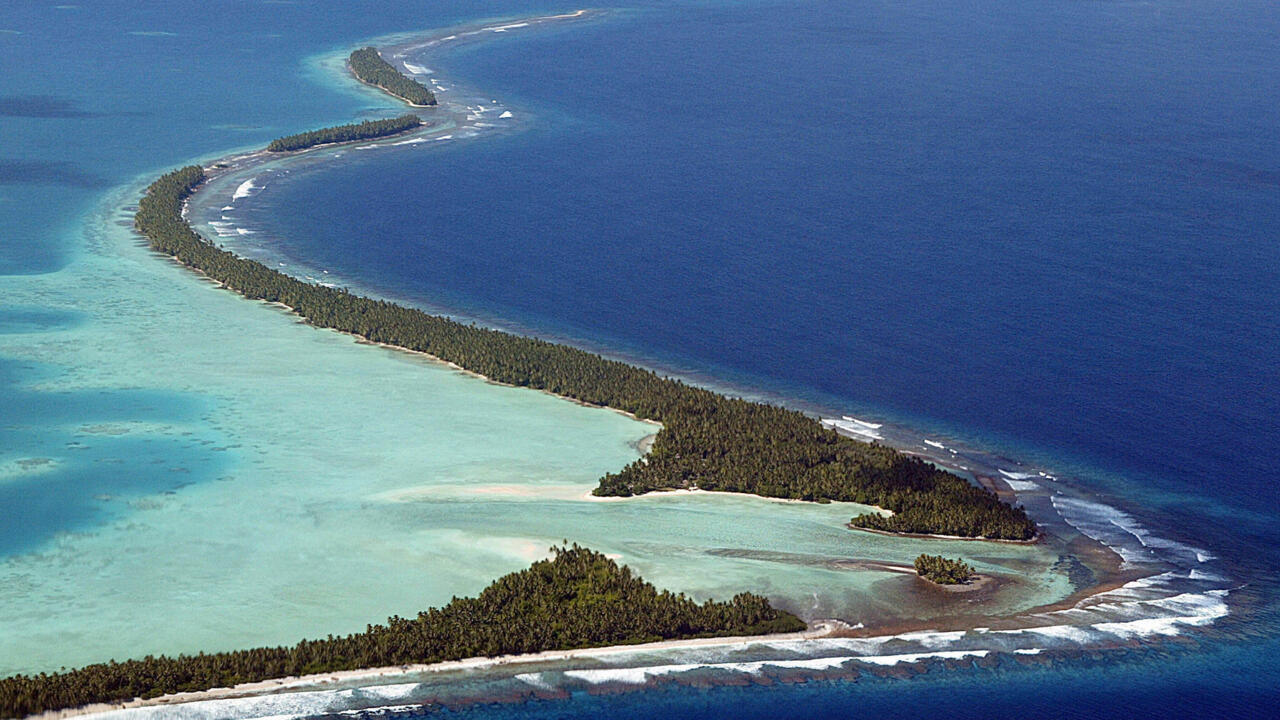
The pre-COP push highlights a critical disconnect: Pacific leaders say current national climate pledges fall far short of what's needed to keep warming at 1.5°C. RFI notes that Tuvalu's coral atolls have been completely destroyed by climate change, making the pre-summit a frontline cry for action. Australia and Fiji are jointly hosting these Pacific meetings under a COP30 compromise, while Turkey will host the main COP31 summit in Antalya.
The 1.5°C Window Is Closing Fast
A U.N. assessment warns the world will breach the 1.5°C warming threshold within five years unless emissions plunge dramatically. Pacific island states, which emit virtually nothing compared to major industrial nations, face extinction-level threats. Sea levels are already rising, oceans are warming, and cyclones are intensifying. Morning Chronicle quotes Fiji's climate minister Lynda Tabuya calling for commitments to a "just transition" that supports vulnerable nations most.
Climate Finance System Fails Island Economies
Pacific delegates are angry. Pledged climate money comes with so many complex requirements that it rarely reaches the communities most in need. Fox26 Medford reports that Fiji's climate minister has demanded developed nations deliver "much-needed financing" to those most vulnerable to climate change. The current system is broken — Pacific governments need money fast and without bureaucratic obstacles.
In response, Pacific leaders are backing alternatives like the Pacific Resilience Facility. Morning Chronicle notes that Australia and Fiji have already ratified it, with pledges approaching US$173 million. This regional approach bypasses the slow, complex international finance channels that have failed island nations for years.
Australia Steps Up as Regional Climate Leader
Australia will lead negotiations at COP31, positioning itself as the voice for Pacific climate action. Newshub reports that Greenpeace Australia Pacific is urging the Australian government to "uphold Pacific priorities on fossil fuels and climate finance" and to "respond to the urgency of the climate crisis." This pre-COP gathering is a rare moment to reset the global climate agenda before Turkey hosts the main summit.
Pacific Islands Demand Bigger Voices in Climate Deals
For decades, Pacific leaders have watched powerful nations make climate decisions that directly affect their survival — yet exclude them from the room. The Belau Declaration signals a shift: Pacific island states are no longer waiting for permission. They're coordinating a united regional position and demanding recognition of their leadership and agency in shaping the global climate response.
Sentiment
Mostly NegativeNEGATIVENEUTRALPOSITIVE
Publishers
17
Articles
40
Reach
57
A
AnonymousAuthor