Pacific climate talks urgency
Fiji climate talks tackle rising seas and fossil fuel transition divisions
Anonymous
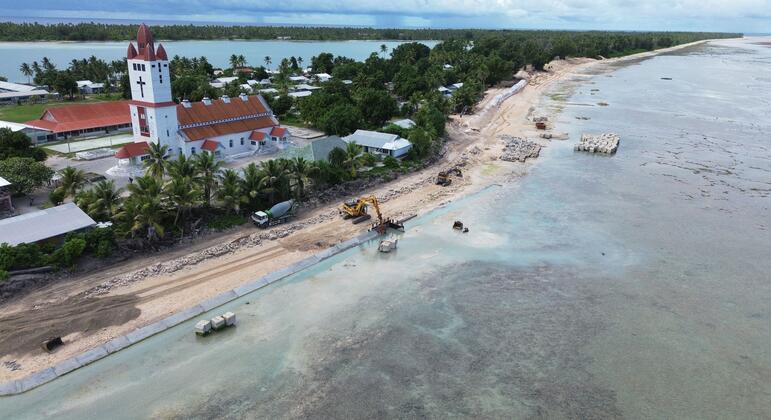
As climate impacts intensify, governments are divided over how quickly to move away from fossil fuels and how to share the costs of the transition and climate damage. At the U.N. General Debate, Secretary-General António Guterres and vulnerable Pacific nations urged faster action, while some energy-producing countries favored a more gradual approach emphasizing security and affordability. A Pre-COP meeting in Fiji is bringing representatives from more than 50 countries to the Pacific, where Australia and Tuvalu are pressing for practical measures, stronger ambition and greater resilience for communities threatened by rising seas. Separately, a commentary argues that fossil-fuel companies have spent heavily to discourage U.S. climate action, even as worsening disasters make the consequences increasingly visible.
Key Points
1
U.N. Secretary-General António Guterres called for governments to set clear timelines for transitioning away from fossil fuels and to protect workers and communities during the shift.
2
The Marshall Islands president warned that the risk of exceeding the Paris Agreement’s 1.5°C temperature limit calls for an accelerated transition, saying continued fossil-fuel investment is “not only immoral but irrational.”
3
Holding a Pacific Pre-COP gathering was a condition of Australia withdrawing its bid to host the main climate conference, after smaller Pacific neighbours identified climate change as their biggest national security risk.
4
Tuvalu’s climate minister said the country averages just two metres above sea level and that decisions at Pre-COP and COP31 will be felt by its communities first.
Sentiment
Mostly NegativeNEGATIVENEUTRALPOSITIVE
Publishers
6
Articles
25
Reach
31
Topics
A
AnonymousAuthor


