El Niño Heat Risks
Global Officials Urge Readiness as El Niño Threatens Extreme Heat and Drought Risks
Anonymous
Key Points
1
Auckland Emergency Management chief Adam Maggs cited the 2019–20 drought and urged residents dependent on tank water to check levels, repair leaks and arrange a refill before supplies run out.
2
Auckland’s water storage was reported at 94% in August—nearly 10% above the historical average—but officials warned that prolonged dry conditions could still lead to urban water restrictions.
3
South African officials compared the anticipated event with the very strong 2015–16 El Niño, which produced unprecedented heatwaves in southern Africa; the weather service also said 2027 could become the warmest year ever recorded when El Niño effects combine with global warming.
4
Fiji’s National Disaster Management Office is expected to take over coordination when conditions reach critical levels, drawing on support from public works, the Water Authority, government shipping services and other agencies to deliver water and relief.
5
Fiji has received Asian Development Bank funding to upgrade wastewater treatment plants, while officials also highlighted the need to modernize aging urban water infrastructure and expand water investments in maritime and rural areas.
El Niño is expected to bring severe heat, drought and cyclone risks to Auckland, South Africa and Fiji during the 2026–27 summer season, prompting urgent preparation across three continents. UN News reports that the World Meteorological Organization has warned the El Niño is strengthening rapidly, threatening harvests and food security in climate-sensitive regions. Officials are urging residents to stockpile water, secure property against extreme weather and prepare for potential utility disruptions.
Auckland's water storage sits at 94% as of August—nearly 10% above historical average—but officials warn prolonged dry spells could trigger urban restrictions. South Africa is comparing the anticipated event to the severe 2015–16 El Niño that produced unprecedented heatwaves. Fiji is incorporating intense tropical cyclones into disaster planning while upgrading water infrastructure with support from the Asian Development Bank.
Auckland Braces for Drought and Wildfire Threats
Auckland Emergency Management chief Adam Maggs is urging residents dependent on tank water to check supply levels, repair leaks and arrange refills before supplies run dry. The region faces stronger winds, prolonged dry spells, water shortages and elevated wildfire risk during the coming El Niño season. Though heavy rain and cyclones remain possible, officials are treating drought as the primary threat.
The 2019–20 drought serves as a cautionary example of what prolonged dry conditions can inflict on the city. Despite current storage levels near 94%, Maggs emphasized that residents should not delay preparations. Water restrictions are likely if the predicted dry spell materializes and persists through the summer months.
South Africa Warns of Extreme Heat and Crop Losses
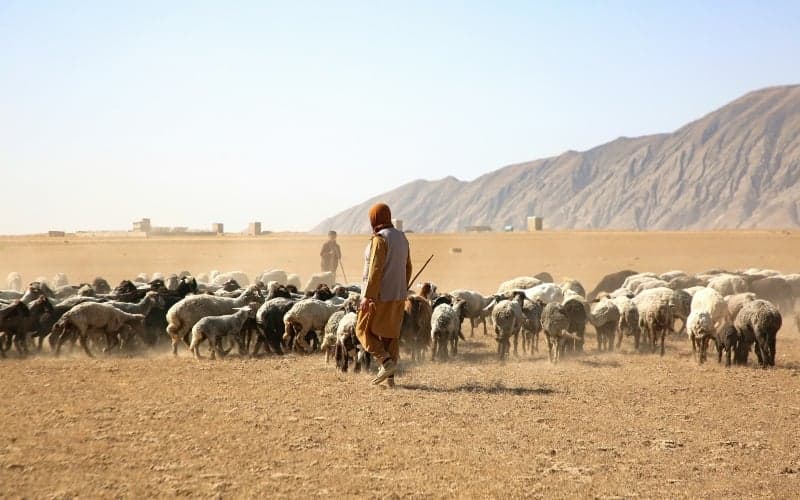
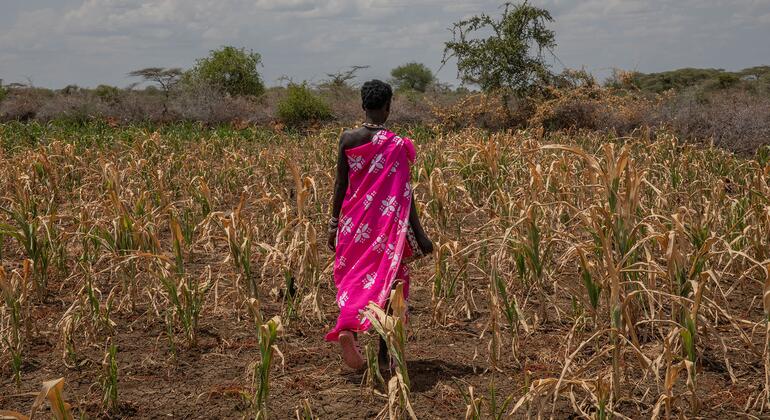
South African officials are preparing for potentially severe El Niño impacts including extreme heat, below-normal rainfall, drought and widespread livestock losses. The 2015–16 El Niño produced unprecedented heatwaves across southern Africa, and weather experts now warn 2027 could become the warmest year on record as El Niño combines with ongoing global warming. Veld fires and heat-related illnesses are expected to surge across the region.
Agricultural output faces serious risk as prolonged dry conditions threaten crop yields and livestock survival. South African officials are strengthening monitoring systems and contingency plans to manage the anticipated crisis. The country is also preparing public health responses to counter the expected rise in heat-related hospitalizations and deaths.
Fiji's Water and Disaster Infrastructure Under Scrutiny
Fiji's National Disaster Management Office is preparing to take over coordination when El Niño conditions reach critical levels, with support from public works, the Water Authority and government shipping services. The office will distribute water and relief supplies to affected communities as drought and intense tropical cyclones threaten the island nation. Officials are prioritizing water infrastructure upgrades and emergency resource allocation.
Fiji has secured Asian Development Bank funding to modernize wastewater treatment plants and expand aging urban water systems. Officials also highlighted the urgent need to invest in water infrastructure across maritime and rural areas where residents lack reliable supplies. These upgrades are essential to surviving the predicted water shortages and storm surges.
Residents Urged to Act Now on Three Essential Preparations
Across all three regions, officials recommend immediate steps: check water supply levels and arrange refills, protect vulnerable people from extreme heat, and secure property against strong winds and flooding. Residents should also prepare for disruptions to utilities, transport and emergency services. Action taken now could mean the difference between weathering El Niño and facing acute shortages.
The 2026–27 El Niño season will test whether communities can adapt to climate extremes through planning and infrastructure investment. Officials stress that preparation is not optional—it is essential insurance against a predictable threat that will affect millions of people across the Pacific and Southern Hemisphere.
Sentiment
Mostly NegativeNEGATIVENEUTRALPOSITIVE
Publishers
14
Articles
26
Reach
40
A
AnonymousAuthor