Duma Election Results
Preliminary Results Show United Russia Retaining Its Constitutional Majority in Parliament
Anonymous
Key Points
1
With more than 95% of protocols counted, United Russia was projected to win 355 of the 450 State Duma seats—its highest result ever, according to the preliminary tally.
2
Central Election Commission Chair Ella Pamfilova said A Just Russia had “high chances” of crossing the 5% electoral threshold, despite its support standing just below that mark in the reported count.
3
Voting began on Sept. 18 across Russia’s 11 time zones, starting in the Far East, and ended at 8 p.m. local time on Sept. 20 in most regions; Russia had more than 111 million eligible voters and 1.8 million registered voters abroad.
4
The elections also included races for regional governors, with United Russia-backed candidates leading in multiple regions; Ramzan Kadyrov was reported to have won 99.85% of the vote in Chechnya after all ballots there were counted.
5
BBC Russia editor Steve Rosenberg described the result as unsurprising, noting that the vote took place after more than four and a half years of war against Ukraine, heavy Russian battlefield losses and mounting economic hardship.
Russia's State Duma elections delivered a dominant victory for President Vladimir Putin's United Russia party, which captured roughly 58% of the vote and is on track to secure more than two-thirds of the 450-seat chamber, according to The Moscow Times. With over 95% of protocols counted, United Russia was projected to win 355 seats—its strongest result ever. The Communist Party finished second with about 14% of the vote, followed by the LDPR at 9% and New People at 8%.
The three-day election, held September 18-20 across Russia's 11 time zones and contested territories in Ukraine, saw roughly 57% turnout among 111 million eligible voters, The Moscow Times reported. Critics questioned the credibility of the results, noting that the anti-war Yabloko party was barred from competing on federal party lists. The voting took place as Russia faces mounting casualties in Ukraine and deepening economic pressures, yet United Russia's gains suggest the Kremlin maintained control over electoral outcomes.
Putin Interprets Turnout as Ukraine War Support
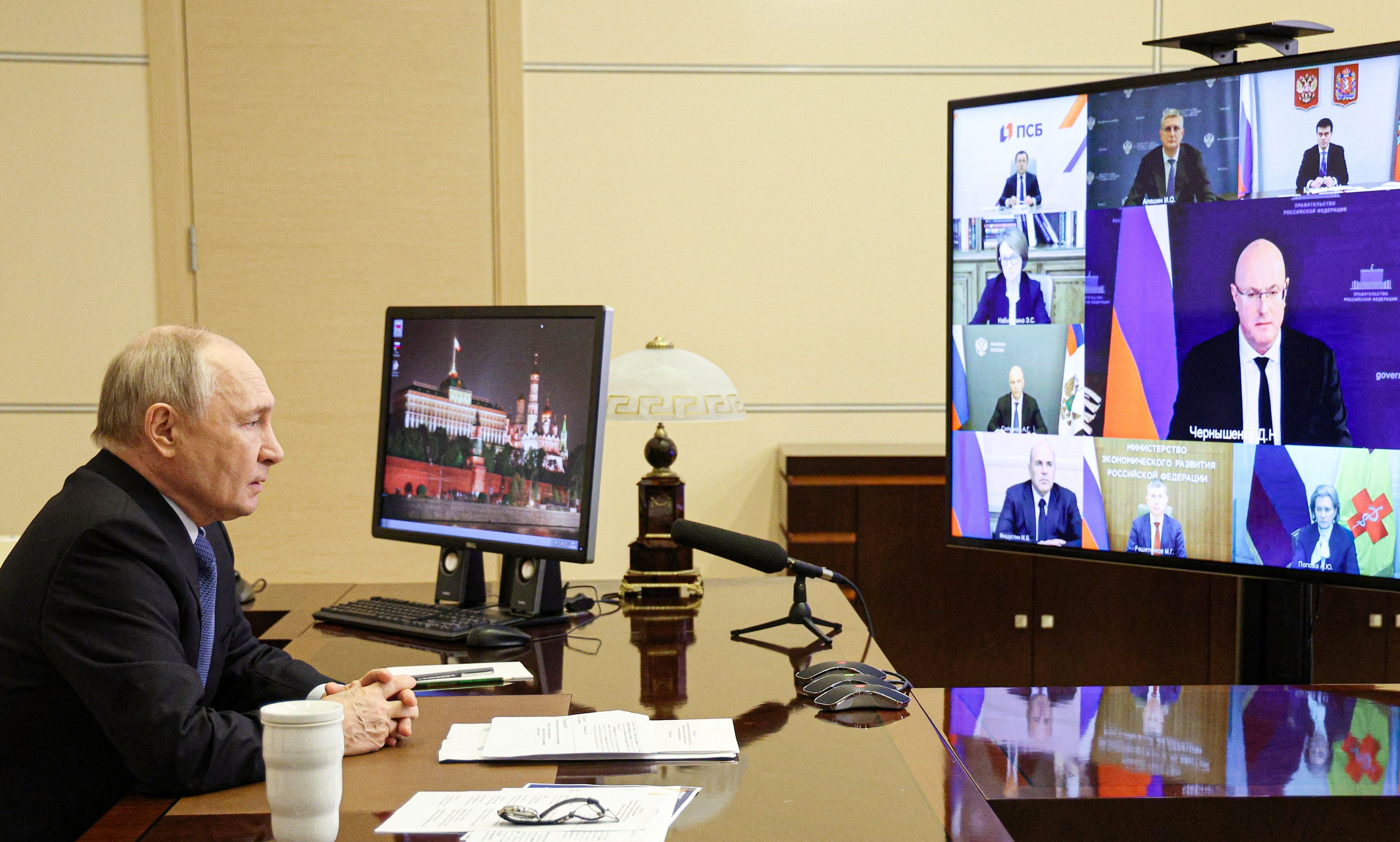
President Putin seized on the 57% turnout figure as evidence of public backing for Russia's military agenda. The Moscow Times reported that Putin said the high turnout demonstrates Russians support the Armed Forces fighting in Ukraine and broader Kremlin policies. However, critics argued the turnout itself does not necessarily reflect enthusiasm for the war, which has drained Russia's military and economy for over four and a half years.
United Russia's Historic Supermajority Secures Constitutional Control
United Russia's projected 355-seat majority exceeds the 300-seat supermajority threshold, granting it unilateral power to pass constitutional amendments without needing opposition support. This marks the party's best performance since entering the Duma decades ago. The scale of the victory—58% of votes nationally—underscores the Kremlin's ability to shape electoral outcomes despite economic hardship and war fatigue weighing on voters.
Credibility Concerns Shadow Record Turnout Claims
The election faced immediate scrutiny from international observers and critics who questioned its legitimacy. Yabloko, Russia's most visible anti-war party, was blocked from fielding candidates on federal party lists, eliminating a key opposition voice. Additionally, voting took place across Russian-claimed territories in Ukraine that are not internationally recognized as Russian, raising questions about the legitimacy of ballots cast there and whether results reflected genuine voter preference or state management.
Communist Party Edges Out Liberal Rivals in Second Place
The Communist Party's second-place finish with roughly 14% of the vote continued its role as the Kremlin's managed opposition. New People (8%) and the LDPR (9%) rounded out parties clearing the 5% threshold. A Just Russia hovered at the threshold, with Central Election Commission Chair Ella Pamfilova stating it had "high chances" of crossing 5%, though final results remained uncertified as vote counting continued.
Sentiment
Mostly NegativeNEGATIVENEUTRALPOSITIVE
Publishers
24
Articles
41
Reach
65
A
AnonymousAuthor


