Ukraine Interceptor Success
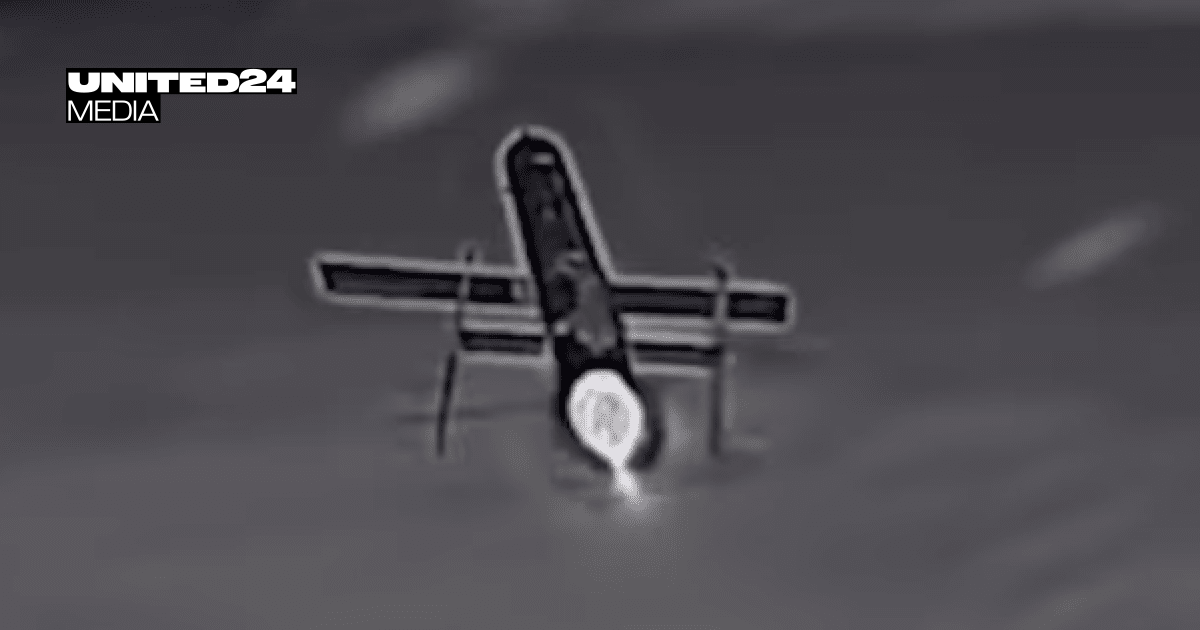
Ukraine successfully deploys domestic interceptor drone to down Russian Geran-5 twice in one day.
Anonymous
Key Points
1
President Volodymyr Zelenskyy released video footage showing the interceptor drone’s combat use and thanked SBU personnel for their accuracy.
2
Zelenskyy said Ukraine is working to scale up production of the necessary interceptor weapons after the system’s successful deployments.
3
Interceptors from two Ukrainian companies had previously passed combat tests, and contracts with those manufacturers were already being signed.
4
The latest strike followed a report to Zelenskyy from Armed Forces Commander-in-Chief Mykhailo Drapatyi on another positive test result involving interceptors against jet-powered Shahed-type drones.
Ukraine's Security Service successfully used a homemade interceptor drone to shoot down a Russian jet-powered Geran-5 drone twice in a single day on September 19, President Zelenskyy announced. The SBU military counterintelligence unit carried out both strikes as Ukraine races to mass-produce new defenses against Russia's fastest attack drones, which travel at speeds up to 600 kilometers per hour (373 mph).
Ukraine is testing four different interceptor designs on the front line while roughly 10 additional manufacturers develop competing models. Officials say dozens of companies could eventually produce the systems at scale, allowing Ukraine to preserve its scarce long-range missiles for other Russian threats.
Russia's New Jet Drones Force Ukraine to Innovate
Russia introduced the Geran-5 — a turbojet-powered strike drone — to overwhelm Ukraine's air defenses. Carrying a 90-kilogram warhead and cruising at 450–600 km/h, the Geran-5 is three times faster than older propeller-driven Shahed-136 drones, which fly around 180 km/h. Business Insider reported that Russia's deployment of jet-powered drones surged from 350 units in June 2026 to 2,800 by August 2026, creating an urgent defensive bottleneck.
Ukraine's traditional air defense missiles — like Patriot and NASAMS systems — create an unfavorable cost-exchange ratio when fired at cheap attack drones. Using expensive missiles against massed drones wastes resources Ukraine cannot replace quickly. Interceptor drones offer a cheaper, faster-scaling alternative.
The STING S and Other Homegrown Interceptors Take Flight
Ukrainian companies Wild Hornets and others have already passed combat tests with their interceptor designs, according to united24media.com. The STING S interceptor has destroyed around a dozen Russian Geran-4 jet drones and several Geran-5 cruise missiles. Contracts with these manufacturers are already signed as Ukraine accelerates production.
Serhii Beskrestnov, Ukraine's Presidential Technology Adviser, noted that while Ukraine possesses multiple high-speed interceptor options, scaling and operational integration still require refinement. Four models are currently being tested directly on the front line, with roughly 10 additional companies developing prototypes in parallel.
Mass Production Could Shift the Drone War Balance
President Zelenskyy said Ukraine is "moving forward to give Ukraine greater protection" by scaling up interceptor production. Ukrainian officials report that around 67 domestic defense enterprises are now working on counter-drone solutions. Dozens of private firms could eventually manufacture interceptors at industrial scale, offsetting Russia's ability to mass-produce attack drones.
The strategy preserves Ukraine's scarce anti-air missiles for Russia's cruise missiles and piloted aircraft — the threats that pose the greatest strategic risk. If Ukraine can produce interceptor drones cheaply and in large numbers, the cost-exchange equation shifts in its favor. The two successful Geran-5 interceptions in one day suggest the technology works in combat conditions.
Sentiment
Mostly PositiveNEGATIVENEUTRALPOSITIVE
Publishers
30
Articles
26
Reach
56
A
AnonymousAuthor


